

Papuan Olive Python: New Guinea’s Giant Rainforest Constrictor
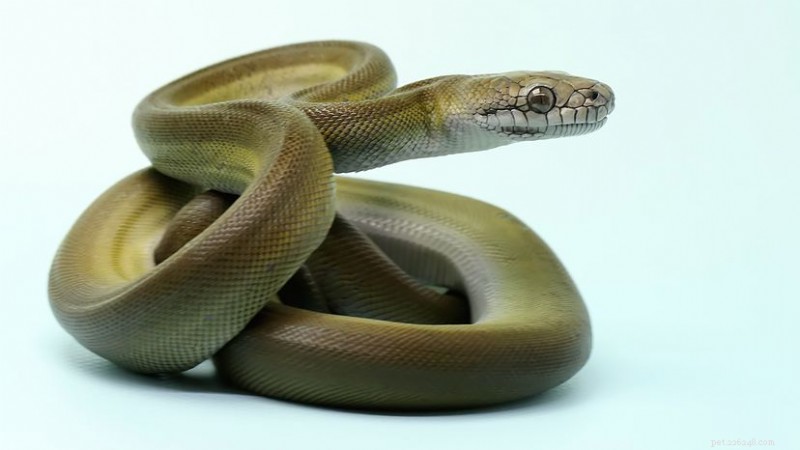
The Papuan olive python (Apodora papuana) is a remarkable rainforest serpent renowned for its striking color‑changing ability, robust build, and impressive size. While its default hue is olive‑green, the species can shift to yellow or black tones, often displaying two colors simultaneously—a trait that aids in camouflage and may signal stress or agitation.
Taxonomy and Classification
Belonging to the family Pythonidae, the Papuan olive python is the sole species in the monotypic genus Apodora. This lineage is distinguished by large, heavy‑bodied pythons that rely on constriction rather than venom to subdue prey. The common name reflects both its native range—Papua New Guinea and the wider New Guinea archipelago—and its typical olive coloration.
Physical Characteristics
Adults typically reach 13 feet (4 m) in length, with some individuals growing even larger, placing them among the world's biggest snakes. Average adult weight is around 50 lb, though this can vary with age, health, and environmental conditions. The python’s sleek, smooth scales and broad head—common to the group—contribute to its streamlined appearance. Heat‑sensing pits along the upper lip allow it to detect warm‑blooded prey in low light.
Coloration and Skin
While olive‑green is the most common coloration, individual specimens may exhibit darker or lighter shades, ranging from a deep, almost brownish olive to a bright, vibrant green. Some pythons have a lighter underside, and darker markings may appear near the jaw and eyes.
Distribution and Habitat
The species is endemic to New Guinea, inhabiting the dense tropical rainforests of both the eastern (Papua New Guinea) and western (Papua, Indonesia) halves of the island. These forests provide ample cover, humidity, and a diverse prey base. Occasional sightings on nearby offshore islands suggest the species can thrive in similar ecological niches.
Hunting and Feeding Behavior
As a nocturnal, ground‑dwelling constrictor, the Papuan olive python employs ambush tactics, using its camouflage to remain unseen until prey—typically small to medium mammals, birds, or occasionally larger mammals—approaches. It then strikes, clamps with its teeth, and coils to suffocate the victim. Due to its size, it can take down surprisingly large prey relative to its own body length.
Like other large pythons, its slow metabolism means it feeds infrequently, often subsisting on a single meal for weeks or months. A protein‑rich diet maintains its muscular physique and overall health.
Comparisons with the Australian Olive Python
While both species can reach similar lengths, the Papuan python is noted for its color‑changing ability and preference for secluded rainforest habitats. In contrast, the Australian olive python maintains a consistent olive‑brown color and is more adaptable to varied environments, including rocky areas and woodlands. The Papuan species is less commonly kept in captivity due to its specific habitat requirements, whereas the Australian counterpart is a popular choice among experienced reptile enthusiasts.
This article was updated using AI technology and subsequently fact‑checked and edited by a HowStuffWorks editor.
- Essential Winter Care Tips for Your Exotic Bird: 5 Must‑Do’s and Must‑Avoids
- The Complete Guide to CBD Oil for Cats: Benefits, Safety, and Usage
- Understanding Canine Bloat: Symptoms, Causes, and Effective Treatments
- New 2010 Lizard Discoveries: Unique Species & Surprising Facts
- Seasonal Affective Disorder in Dogs: Understanding How Winter Affects Your Pet's Mood
- Understanding Feline Heart Disease: Key Facts & Prevention
- 5 Common Causes of a Grumpy Dog – Why Your Canine Is Irritable