

Giant Tortoises: The Enduring Giants of the Indian Ocean’s 'Galápagos'
Martin Harvey / Getty Images
By the time the oldest humans reach the end of their lives, there are still giant tortoises out there that will live twice as long, sometimes surpassing 200 years.
Native to the remote islands of the Indian Ocean and the Galápagos, these magnificent reptiles have stood as symbols of resilience and longevity for centuries.
Physical Characteristics
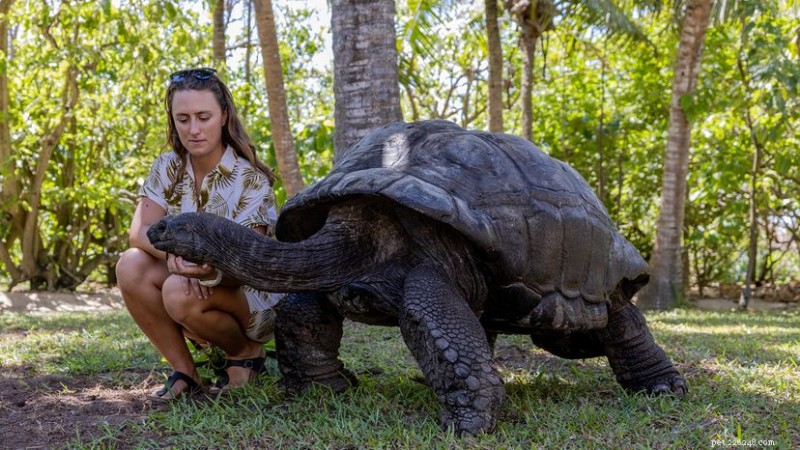
Giant tortoises rank among the largest reptiles on Earth, with adults weighing up to 900 pounds (408 kg) and stretching more than 5 feet (1.5 m) in length. Their thick, dome-shaped shells provide natural armor, while variations in shell shape—such as the saddle‑back form—adapt to the vegetation they consume.
These slow‑moving creatures rest on short, sturdy legs and wide, elephant‑like feet. Their wrinkled skin and elongated necks allow them to reach high foliage, and young tortoises grow quickly into the protective shell of adulthood.
Subspecies and Distribution
The species is divided into several subspecies based on geography. The Galápagos giant tortoises, for instance, include the iconic saddleback tortoise of Española Island. Each island hosts a unique population that has evolved specific traits.
In the Indian Ocean, the Aldabra giant tortoise thrives on the Aldabra Atoll, while the nearby Socotra archipelago hosts tortoises that mirror the “Galápagos of the Indian Ocean” moniker due to their ecological importance.
Social Behavior
Giant tortoises are predominantly solitary but can gather during mating season or for basking. They are non‑territorial, although males may display dominance by extending their necks. During breeding, males engage in gentle shell ramming to compete for mates.
Diet
As herbivores, giant tortoises consume a wide array of plant material, including grasses, leaves, fruits, and cacti. In the Galápagos, they often feed on prickly‑pear cacti, adapting to local flora.
These reptiles store energy efficiently, enabling them to endure prolonged periods without food or water—a key adaptation to arid environments.
Habitat and Ecological Role
From arid lowlands to lush highlands, giant tortoises occupy diverse habitats across the Galápagos and Indian Ocean islands. Their preference for abundant vegetation and sunny basking spots showcases their adaptability.
In the wild, they are indispensable seed dispersers and grazers, shaping the landscape and supporting plant diversity.
Life Cycle
Reproduction begins when females lay clutches of eggs in sandy or volcanic soil. Eggs incubate for several months before hatching into vulnerable juveniles that face predators such as birds and introduced rats.
Growth is slow, but individuals can surpass 100 years, with some exceeding 200 years, eventually reaching the apex of their food chain.
Conservation Status
Depending on the subspecies, giant tortoises are listed as vulnerable or endangered. Threats include habitat loss, hunting, and invasive species. Early explorers harvested them for sustenance due to their remarkable resilience.
Current conservation initiatives focus on habitat protection, invasive species control, and captive breeding programs. Collaborative efforts between governments and NGOs have made significant strides in safeguarding these reptiles for future generations.
This article was created with AI assistance and subsequently fact‑checked and edited by a HowStuffWorks editor.
- Stop Excessive Licking & Chewing: Proven Techniques for Itchy Dogs
- The Vital Benefits of Turnout: Keeping Your Horse Healthy and Happy
- Dog Tooth Fracture: Immediate Steps to Care & Prevention
- Top Rabbit Food Brands: Expert Guide to Nutritional Choices
- Piroxicam (Feldene) for Dogs: Uses, Benefits, and Safety
- What Your Dog's Mouth Really Means: A Guide to Mouthed Play and Safe Interaction
- 205 Elegant French Dog Names to Charm Your Companion