

Basilisk Lizard – The Water‑Walking ‘Jesus Christ Lizard’ Explained
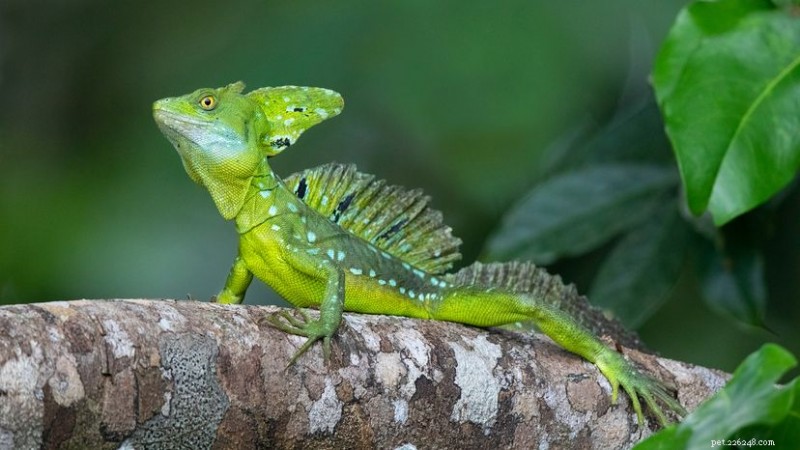
In the rainforests of Central and South America, the basilisk lizard (genus Basiliscus) performs a remarkable feat that has earned it the nickname “Jesus Christ lizard.” By sprinting across the surface of water, these reptiles can escape predators and navigate flooded environments with astonishing speed.
What Do Basilisk Lizards Look Like?
Basilisk lizards are medium‑sized, with long, slender bodies and tails that comprise the majority of their length. The common green basilisk (Basiliscus plumifrons) can reach up to 3 ft (0.9 m) from snout to tail tip. Females are typically smaller than males. A distinctive feature of the plumed basilisk is the crest‑like plumes that adorn its head, back, and tail. Its bright green coloration, often with bluish markings, provides effective camouflage in dense forest canopies. The common basilisk (Basiliscus basiliscus) is usually brown or olive with subtle striping, helping it blend into drier habitats.
All species possess large hind legs with elongated toes fringed by skin, enabling them to run across water at speeds of up to 5 ft (1.5 m) per second.
How Basilisks Walk on Water
Their unique feet create a large surface area. When the lizard leaps forward, the toes push down, creating tiny pockets of air that reduce surface tension and provide brief buoyancy. Rapid, rhythmic footfalls allow the lizard to maintain momentum and stay afloat for several seconds. This ability is a sophisticated interplay of biomechanics and physics, not magic.
Four Key Basilisk Species
- Green Basilisk (Basiliscus plumifrons) – Found from Honduras to Costa Rica, this is the most widely recognized species.
- Plumed Basilisk (Basiliscus plumifrons) – Notable for its vivid green color and pronounced crests.
- Common Basilisk (Basiliscus basiliscus) – Widespread across various habitats, from dry forests to wetlands.
- Brown Basilisk (Basiliscus vittatus) – The smallest species, commonly seen in both wild and urban settings.
Social Behavior
Basilisks are largely solitary but can gather in groups near water for basking. Male green basilisks are territorial, using head‑bobbing and chases to defend their area. Females of the common species are less aggressive and often traverse multiple territories. During breeding season, males display colorful crests and dynamic movements to attract mates.
Life Cycle
Females lay up to 20 eggs in shallow, sandy nests close to water. Eggs hatch after 60–90 days. Juveniles are independent from birth and must quickly learn to evade predators. They reach maturity within a year, developing more pronounced crests and coloration, especially in males. In the wild, basilisk lizards can live up to seven years, with captive individuals often exceeding this lifespan when properly cared for.
Diet
These omnivores consume insects, fruits, flowers, and small vertebrates such as frogs and fish. Juveniles focus on protein‑rich insects, while adults incorporate more plant matter and larger prey. In captivity, a balanced diet of fresh fruits, vegetables, and live insects promotes health and activity.
Habitat
Basilisks thrive in tropical rainforests, wetlands, and riverbanks throughout Central and South America, especially in Costa Rica. Their proximity to water is essential for utilizing their water‑running ability, which helps them escape predators and forage efficiently.
Conservation Status
Most basilisk species are not currently listed as endangered. However, habitat loss due to deforestation, agriculture, and urbanization threatens their populations. Conservation initiatives in countries like Costa Rica aim to preserve rainforests and educate the public about the ecological role of basilisk lizards. Protecting their natural habitats remains crucial for the continued survival of these unique reptiles.
© 2026 HowStuffWorks. This article was produced with AI assistance and fact‑checked by a HowStuffWorks editor.
- Do Hamsters Need Sunlight? Essential Light Guidelines for Health & Well‑Being
- Do Dogs Experience Depression After the Loss of a Fellow Dog?
- Understanding the Incubation Period of Parvo Virus in Dogs: Key Insights for Pet Owners
- Expert Guide: Successfully Introducing Your Dog to a New Companion
- Understanding and Treating Your Dog’s Persistent Itching and Scratching
- Mastering Scent Work: A Beginner's Guide for Dogs and Their Owners
- What Rabbits Should Really Eat: A Guide to a Healthy, Fiber‑Rich Diet