

The American Alligator: Size, Behavior, and Common Misconceptions
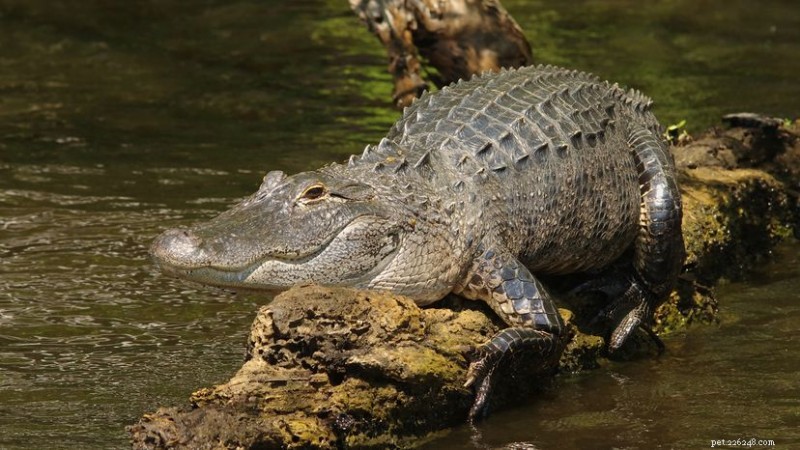
The American alligator (Alligator mississippiensis) ranks as North America’s second‑largest reptile, just shy of the American crocodile.
While they share similar habitats, the alligator’s broad, rounded snout conceals its sharp teeth, whereas the American crocodile sports a narrower mouth with protruding fangs.
What Is Alligator mississippiensis?
The scientific name derives from the Spanish word "el lagarto" (big lizard) and the Latin "mississippiensis," referencing the Mississippi River basin where these reptiles thrive.
Appearance
Adult alligators possess long, muscular bodies draped in thick, armor‑like scales that shield from head to tail. Their short, webbed limbs allow them to glide silently through shallow waters.
Male alligators outgrow females, reaching up to 13 ft (4 m) and 500 lb (227 kg). Females typically measure 9 ft (2.75 m) and weigh around 200 lb (90 kg).
Behavior
Alligators are ambush predators that rely on environmental heat to regulate body temperature. They spend much of the day basking on shorelines to conserve energy for nighttime hunts.
These reptiles excavate burrows and tunnels—sometimes 65 ft (20 m) long—to shield themselves from extreme weather and drought. The same structures serve as nesting sites for their young.
A mother alligator guards 35–40 eggs for roughly 70 days until they hatch and become independent.
Diet
Alligators boast an impressive bite force, with large specimens delivering up to 2,125 PSI—enough to crack a turtle’s shell.
After securing prey, they often perform a “death roll” to submerge and drown the victim.
Juveniles start with insects, then progress to fish, wading birds, small mammals, and occasionally feral hogs or largemouth bass.
Reproduction
Sexual maturity is reached between 10–12 years or at about 7 ft (2.1 m) in length. Mating season occurs in April and May, marked by male vocalizations and territorial displays.
During summer, females excavate nests, lay up to 60 eggs, and cover them with vegetation. Sunlight degrades the vegetation, creating warmth that incubates the eggs.
Once hatched, juveniles use an egg tooth to break free and join their siblings in the wild.
Range
The American alligator is widespread across the southeastern United States—from central Texas to North Carolina—though the highest densities lie between East Texas and South Carolina.
They favor swamps and coastal marshes but have been observed hunting in brackish water for short periods.
Conservation Status
Thanks to targeted research and regulated hunting, the American alligator is no longer listed under the Endangered Species Act. Current estimates suggest over 2–3 million wild individuals and more than a million in captivity.
Everglades National Park hosts an estimated 200,000 alligators, with population growth expected as individuals can live beyond 50 years in the wild.
3 Common Misconceptions About Alligators
1. Alligators Are Naturally Aggressive
Annually, around seven alligator attacks occur, often triggered by human encroachment during breeding season or by females defending nests.
2. Alligators Are Poor Climbers
Alligators can reach land speeds of 35 mph (56 km/h) and are adept climbers, especially when navigating obstacles with inside corners. Their short limbs do not prevent them from ascending trees when needed.
3. Adult Alligators Cannibalize Young
Cannibalism is rare, affecting only about 7 % of juveniles. Females may defend offspring for up to two years, occasionally eliminating lingering youngsters once new eggs are laid.
- Veterinary Expert’s Guide to Managing Fear-Driven Dog Behavior
- How to Get Cat Pee Out of Carpet: Proven, Quick Cleaning Guide
- 5 Vet Visit Tips Every Cat Owner Should Know
- Azawakh Dog Breed: Tracing Its Historical Development
- Tip 71: Understanding Cat Purring – Why Cats Purr
- Can Older Dogs Have Puppies? A Guide to Breeding Age and Health
- Premium Dog Food for Dobermans: Expert Nutrition Guide for Doberman Pinschers