

Komodo Dragons: Apex Predators That Occasionally Consume Their Own Young
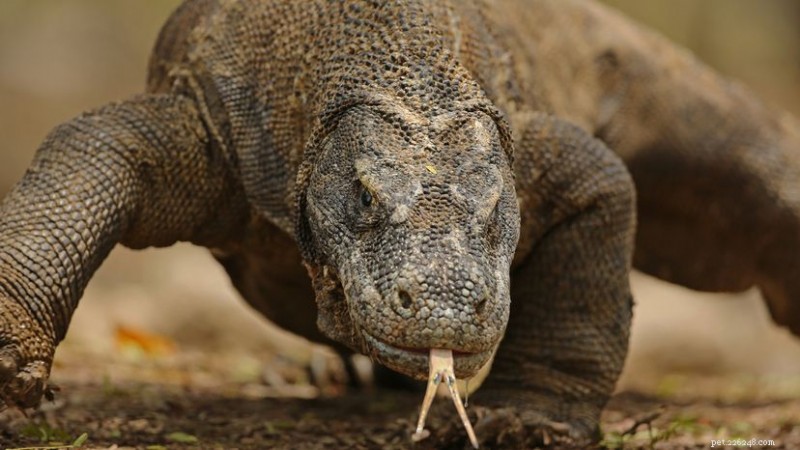
Residing exclusively in Indonesia, the Komodo dragon (Varanus komodoensis) dominates the rugged landscapes of Komodo Island and the surrounding islands within Komodo National Park, a protected sanctuary for these remarkable reptiles.
As the largest living lizard on Earth, Komodo dragons earn the nickname “living dragons.” Their immense size and powerful build are matched by their status as apex predators, playing a vital role in maintaining ecological balance.
Physical Characteristics
Adult Komodo dragons can reach up to 10 feet (3.1 meters) in length and weigh over 150 pounds (68 kilograms). Their bodies are covered in tough, armored scales reinforced with osteoderms—tiny bony plates that act like natural chainmail.
With serrated teeth designed to slice flesh and powerful claws, they are built for a carnivorous diet. Their saliva contains a cocktail of deadly bacteria; combined with a venomous bite, it can incapacitate prey and lead to fatal infections.
Dragon Variations
While all Komodo dragons belong to Varanus komodoensis, researchers note slight differences in size and behavior across islands. Individuals on Komodo Island tend to be larger than those on neighboring Rinca or Flores, likely reflecting variations in prey availability and genetic diversity.
Social Habits
Although often portrayed as solitary hunters, Komodo dragons exhibit complex social dynamics. When feeding on a carcass, a clear hierarchy emerges: dominant males lead the feast, while adult females and juveniles wait their turn—unless they risk becoming the meal.
During the breeding season, males engage in fierce wrestling bouts to secure mating rights, while females fiercely guard their nests from predators, including other dragons.
Diet
These apex predators feast on large ungulates such as wild boars, deer, water buffalo, and wild pigs. Their hunting strategy typically involves ambush followed by a debilitating bite that weakens the prey before the dragon completes the meal.
Juvenile dragons, however, adopt an opportunistic diet to avoid cannibalism: they consume insects, birds, and the eggs of orange‑footed scrub fowl before eventually shifting to larger prey as they mature.
Environment
Komodo dragons thrive in harsh, varied habitats ranging from dry savannas to tropical forests. Komodo National Park offers a mosaic of grassy plains, volcanic hills, and coastal mangroves—providing ideal hunting grounds for a predator with acute senses and powerful limbs.
Seasonal temperature swings and fluctuating food supplies demand constant adaptation, yet these reptiles have survived for millions of years through resilience and adaptability.
Life Cycle
Female Komodo dragons possess the remarkable ability to reproduce via parthenogenesis, enabling them to lay eggs without mating—a critical adaptation in isolated populations.
After mating or reproducing asexually, females lay approximately 20 eggs in camouflaged burrows. Once hatched, juveniles must evade predators—including adult dragons—by climbing trees and staying away from the nesting site.
Conservation Status
Despite their ancient lineage, Komodo dragons face modern threats: habitat loss, climate change, and human encroachment. They are listed as endangered, and ongoing conservation efforts focus on habitat protection, reducing human‑wildlife conflict, and raising public awareness.
Komodo National Park remains a critical refuge, but continued collaboration between researchers, local communities, and conservationists is essential to safeguard these iconic reptiles for future generations.
- Remove Dog Urine From Towels & Laundry: Step‑by‑Step Guide
- Mastering Ball Python Humidity: A Proven Guide to Optimal Moisture Levels
- Nutritious Homemade Dog Food Recipes for Chihuahuas
- How a Cat’s Digestive System Works: Key Insights for Pet Owners
- DIY Chic Cardboard Cat Hammock: Stylish & Cozy Nook for Your Feline
- Expert Dog‑Walking Tips: Safe, Engaging Strolls for You and Your Pup
- How Cats Show Their Love: 7 Heartwarming Behaviors