

Inland Taipan: Australia’s Most Potent Venomous Snake
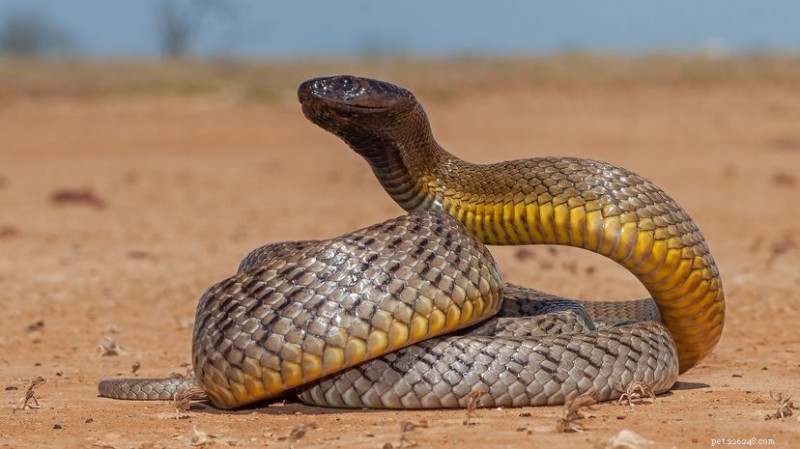
The inland taipan (Oxyuranus microlepidotus), often called the small‑scaled snake, is widely recognized as the world’s most venomous snake. Though its venom can kill more than 100 people from a single bite, the taipan is shy, rarely encounters humans, and is highly adapted to Australia’s harsh interior.
Physical Characteristics
Color ranges from dull olive to dark brown or tan, shifting with the seasons to aid thermoregulation—darker hues in winter to absorb heat, lighter tones in summer to reflect it. Adults typically reach 1.8–2.5 m (6–8 ft) and possess a slender, streamlined build that facilitates swift, stealthy movement.
Its fangs are the primary weapon, delivering a complex mix of neurotoxins, myotoxins, and coagulants that paralyze muscles, cause internal bleeding, and lead to organ failure.
Subspecies and Related Taipans
The coastal taipan (Oxyuranus scutellatus) is a close relative found along Australian coastlines and parts of New Guinea. Though slightly less potent, it still delivers a potentially fatal bite and is known for a faster, more aggressive defensive style.
Research suggests a third, less‑studied species— the western taipan (Oxyuranus temporalis)—exists in remote deserts. While its venom profile is not yet fully characterized, it is presumed to share the family’s high toxicity.
Behavior and Social Habits
The inland taipan is a solitary hunter, active primarily during daylight. It relies on speed, stealth, and venom rather than group tactics. When confronted, it prefers escape over confrontation.
Diet
Its prey consists mainly of small mammals, especially rodents such as rats and mice. The rapid paralytic action of its venom ensures swift incapacitation, minimizing risk to the snake during capture.
Habitat
Endemic to the arid and semi‑arid zones of central Australia—including the Channel Country—the taipan favors clay or cracking‑soil plains, where it can retreat into deep ground fissures to avoid extreme temperatures. Unlike marine taipans, it is strictly terrestrial.
Life Cycle
Breeding occurs from October to December. After mating, females lay 10–20 eggs in protected sites such as abandoned burrows. Incubation lasts several months; hatchlings are independent, possess potent venom, and reach maturity within a few years. In the wild, they can live 10–15 years.
Conservation Status
Despite its deadly venom, the inland taipan poses minimal threat to humans due to its remote habitat and rarity of encounters. Nonetheless, bites can induce severe symptoms—including nausea, vomiting, and high blood pressure—requiring prompt antivenom treatment.
Currently not classified as endangered, the species faces general threats such as habitat loss and climate change. Its isolation, however, has largely shielded it from significant human impact.
Ongoing research into taipan venom continues to uncover potential medical applications, underscoring the importance of preserving this remarkable species.
Content produced with AI assistance and fact‑checked by HowStuffWorks editorial staff.
- English Setters: Key Health Concerns & Preventive Care
- Is Spinach Safe for Cats? What You Need to Know
- Miniature Schnauzer Coat Colors Explained: A Guide with Photos
- Beagle Adoption Guide: Why They’re Ideal for Rural Families
- Do All Tarantulas Possess Urticating Hairs? Understanding Their Defensive Mechanism
- The Heartfelt Apologies of Dogs That Calm Your Anger
- 100 Inspiring Dog Quotes to Brighten Your Day