

Do Snakes Hibernates? Understanding Brumation in Reptiles
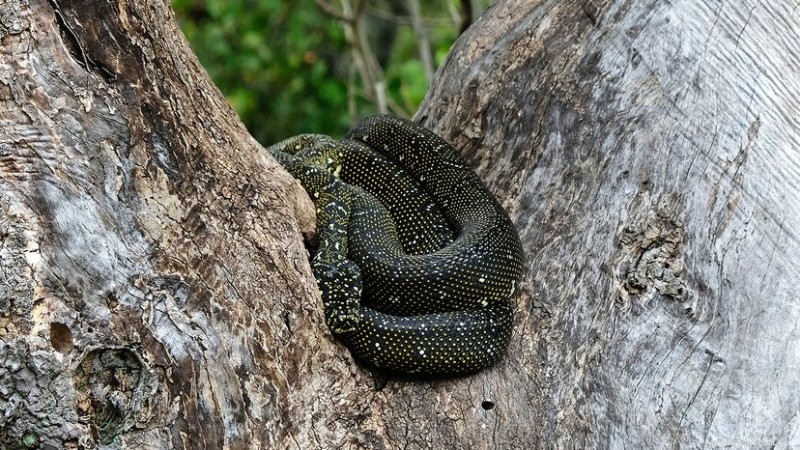
This snake is in neither hibernation nor brumation; it’s simply taking a brief nap. Beata Urmos / Shutterstock
Have you ever wondered how snakes cope when temperatures drop? Unlike mammals, they don’t hibernate in the same way. Instead, they enter a specialized state called brumation. Let’s explore what that means and why it matters.
What Is Hibernation?
Hibernation is a deep, energy‑saving sleep that warm‑blooded animals such as bears use to survive the cold months when food is scarce. By maintaining a relatively stable body temperature internally, mammals can lower their metabolic rate without risking hypothermia.
Cold‑blooded reptiles, however, rely on the environment to regulate their heat. When temperatures fall, they cannot sustain the metabolic demands of normal activity, so they adopt a different strategy.
What Is Brumation?
Brumation is the reptile counterpart of hibernation. As temperatures dip, a snake’s metabolism slows dramatically, conserving energy while keeping the body responsive enough to react to predators or sudden warmth. It’s a state of dormancy rather than deep sleep, allowing the snake to emerge for brief periods if conditions improve.
During brumation, snakes seek insulated refuges—burrows, crevices, or under the frost line—to shield themselves from freezing temperatures. On unusually warm winter days, a snake may surface briefly before retreating again.
Why Do Snakes Brumate?
Because they are ectothermic, snakes cannot internally generate heat. Brumation enables them to survive when external temperatures drop below the range in which they can remain active. By reducing their metabolic rate, they minimize the need for food, which is scarce during winter.
In colder regions, this adaptation is vital for survival. Many species congregate in protective sites to share residual warmth, a behavior observed in field studies of garter snakes and rat snakes.
Do All Snakes Brumate?
Not every snake enters brumation. The decision depends on species and habitat. Snakes in tropical or subtropical zones, where winters remain mild, often stay active year‑round. In temperate climates, species such as garter snakes, rat snakes, and many others will brumate, which is why you might notice fewer of them near barns or gardens during the coldest months.
In milder climates, a snake might remain active during a brief warm spell, but will retreat to brumation when temperatures fall again. Even with brumation, snakes face risks—extreme cold, lack of shelter, or prolonged exposure to harsh conditions can still prove fatal.
Occasionally, snakes seek refuge inside homes or buildings, which can lead to what some perceive as an infestation. Understanding their behavior helps mitigate such encounters.
We partnered with AI technology to draft this article and ensured it was thoroughly fact‑checked and edited by a HowStuffWorks editor.
- Choosing a Large or Giant Dog: Benefits & Care Tips
- How Often Should You Refresh Your Dog’s Water? Expert Guide for Pet Health
- How Acupressure Can Enhance Your Dog's Digestive Health
- A Dog Raised by Cats Now Lives Like One—Meet the Feline‑Friendly Companion
- Why American Water Spaniels Whine: Causes, Symptoms, and Solutions
- Is It Safe to Feed Hamster Food to Chinchillas? Essential Care Tips
- Using Neosporin on Cats: Risks and Alternatives