

Banded Water Snake (Nerodia fasciata): Habits, Habitat, and Conservation
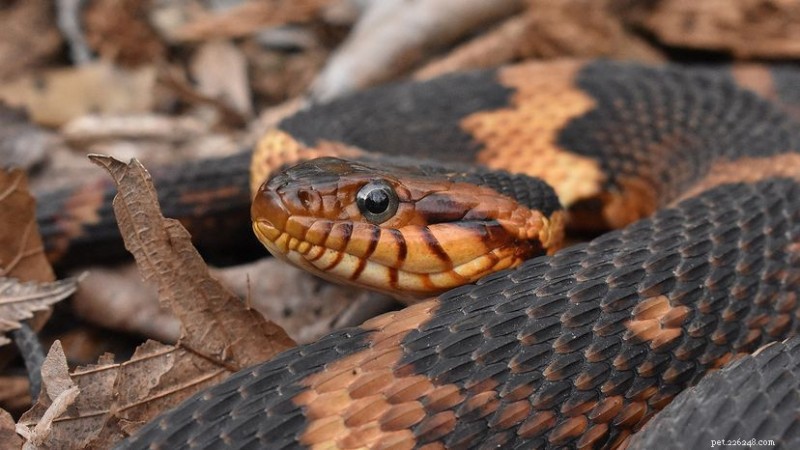
The banded water snake (Nerodia fasciata) is one of the most remarkable aquatic reptiles of the southeastern United States. Though its striking coloration can be mistaken for venomous species, this nonvenomous snake is harmless to humans and plays a pivotal role in regulating fish and amphibian populations.
Physical Characteristics
Adults typically measure 2–4 ft (0.6–1.2 m) in length. They have a robust, heavy body and a flattened head that is slightly wider than the neck, giving the head a triangular profile. Distinctive broad, dark bands—ranging from reddish‑brown to dark brown—contrast with a lighter background, and a dark dorsal stripe runs along the midline.
Recognized Subspecies
- Nerodia fasciata fasciata – The southern water snake, found mainly along the coastal plain of the southeastern U.S. It has darker, less pronounced banding.
- Nerodia fasciata confluens – The broad‑banded water snake, common in Texas and Louisiana. It displays wider, more prominent bands.
Behavior and Social Habits
Banded water snakes are generally solitary, except during the spring mating season. They are diurnal and often bask on rocks, logs, or emergent vegetation. When threatened, they flatten their bodies, hiss, and release a musk that mimics the scent of more dangerous snakes, a defensive strategy that reduces predation risk.
Diet
These opportunistic predators primarily consume fish and amphibians, using their powerful bodies to subdue prey in the water. They also eat small mammals, birds, and insects when available, helping to maintain ecological balance.
Habitat
Banded water snakes inhabit nearly all freshwater environments in the southeastern U.S.—rivers, lakes, swamps, marshes, and ponds. Their flattened tails aid in swimming, and they can remain submerged for extended periods while hunting or evading predators. Clean, healthy freshwater ecosystems are essential for their survival.
Life Cycle
Mating occurs in spring. Females give birth to live young in late summer or early fall, producing 10–30 offspring per litter. Hatchlings are fully independent from birth, grow rapidly on a diet of small fish and amphibians, and reach sexual maturity in 2–3 years.
Conservation Status
Currently listed as “Least Concern” on the IUCN Red List, banded water snakes still face threats from habitat loss, water pollution, and human persecution due to mistaken identity. Conservation efforts focus on protecting freshwater habitats and educating the public about their ecological importance. By preserving their environments and reducing unnecessary killings, we can ensure these snakes continue to thrive.
© 2026 HowStuffWorks. Article fact‑checked and edited by a HowStuffWorks editorial team.
- How Your Dog's Diet Shapes Its Mood and Behavior
- Pet Industry Tackles Amphibian Decline Amid Rising Trade Restrictions
- Early Cancer Detection for Dogs & Cats: Blood Tests & Ultrasound
- Safely Apply Bag Balm to Your Dog: A Step‑by‑Step Guide
- The Science Behind Why Dogs Love Ice: Health, Fun, and Cooling Benefits
- Celebrate Valentine's Day with Your Pet: Show Love & Appreciation
- 6 Expert Tips to Keep Your Pets Safe During Bend's Winter Chill