

Identifying Water Snakes in Your Local Pond: Key Species and How to Spot Them
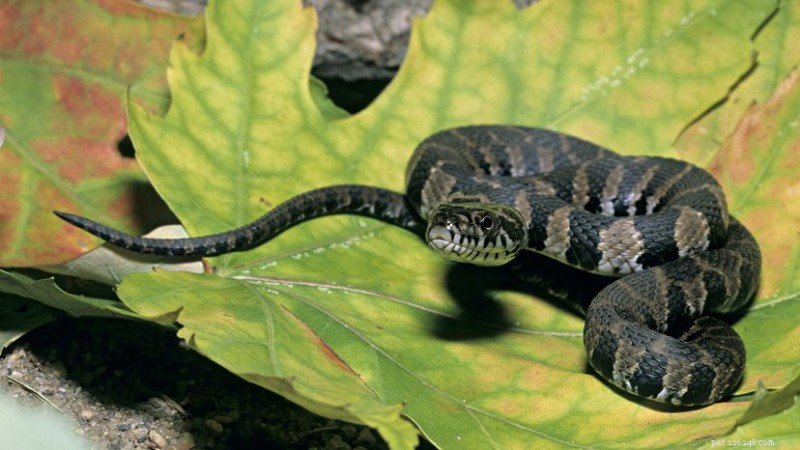
Whenever you spot a snake near a stream, lake, or pond, it’s almost always a water snake. These amphibious reptiles thrive in fresh‑water habitats across North America and are unmistakably nonvenomous.
Water snakes play a vital role in controlling fish and amphibian populations, keeping aquatic ecosystems balanced. Although they can look similar to the venomous cottonmouth, water snakes are harmless to humans and deserve respect.
Northern Water Snake (Nerodia sipedon sipedon)
The northern water snake is the most frequently encountered water snake in eastern United States and southern Canada. It has a slender body with dark blotches along the dorsal side. Juveniles display more pronounced banding, which fades as they mature. Despite its bold defensive display, it is nonvenomous and actively controls fish and amphibian numbers.
Brown Water Snake (Nerodia taxispilota)
This heavy‑bodied snake is common in the southeastern U.S. Its dark coloration and large dorsal blotches often lead to confusion with the cottonmouth. In reality, it is harmless. Brown water snakes are usually seen basking on overhanging branches or swimming for fish, signaling a healthy aquatic environment.
Lake Erie Water Snake (Nerodia sipedon insularum)
A subspecies found only on Lake Erie’s western islands, this snake is slightly larger and paler than its mainland counterparts. Once threatened by habitat loss, targeted conservation has enabled population recovery. Its diet mainly consists of the invasive round goby, which has helped sustain its numbers.
Plain‑Belly Water Snake (Nerodia erythrogaster)
Common in the southeastern U.S., this large snake stands out by its uniformly colored underside—ranging from yellow to red—and lack of dorsal patterning. It favors slow‑moving waters such as swamps, marshes, and ponds. While its size can be intimidating, it poses no venom threat.
We created this article with AI assistance and had it thoroughly edited and fact‑checked by a HowStuffWorks editor.
- Expert Guide: Set Up Your Aquarium in Minutes
- Whipworm Infections in Dogs & Puppies: Symptoms, Diagnosis, and Treatment
- What Drives a Dog to Lick Another Dog’s Urine? Insights and Safety Tips
- Beyond Treats: Mastering Effective Rewards for Your Dog
- When Will Your Cat Calm Down? A Comprehensive Guide for Owners
- How to Care for Disabled Dogs and Cats: Expert Tips for a Happier Life
- Italian Greyhound Dog: History, Care, and Health Guide