

Nine Venomous Adder Species You Should Know About
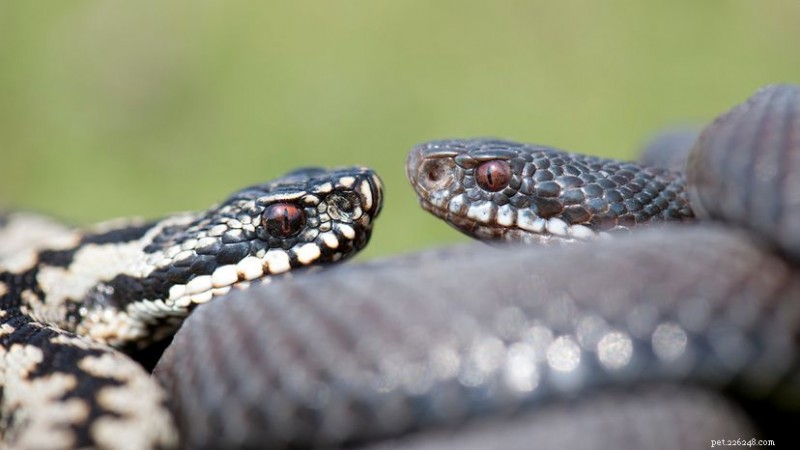
Adder snakes are among the most fascinating and misunderstood reptiles. Known for their distinctive patterns and potent venom, adders belong to the viper family and are native to Europe, Asia, and Africa.
The European adder (Vipera berus) is especially noteworthy as the sole native venomous snake in much of Northern Europe, yet it remains shy and generally avoids human contact.
Beyond their captivating appearance, adder populations play a vital ecological role by regulating small mammal and prey species. Below, we examine nine adder species, highlighting their unique traits and behaviors.
1. Berg Adder (Bitis atropos)
The Berg adder is a small, venomous viper found in the mountainous regions of southern Africa. Its gray or brown banded pattern provides excellent camouflage against rocky terrain.
Despite its modest size, its neurotoxic venom can severely affect the nervous system of humans. Like other adders, it is generally reclusive and avoids human interaction.
2. Common Adder (Vipera berus)
The Common Adder, also called the Northern Viper, is the most widespread adder species across Europe and parts of Asia, including the UK and Scandinavia.
It displays a distinctive zig‑zag dorsal pattern that ranges from dark brown to black. The species thrives in diverse habitats—woodlands, heathlands, and meadow edges—preying on small mammals, birds, and amphibians.
Common Adders hibernate in winter and emerge in spring, where males perform a dramatic display to attract females. Bites are rare and typically occur when the snake feels threatened; they are serious but rarely fatal.
3. Death Adder (Acanthophis antarcticus)
Native to Australia, the Death Adder is among the world’s most venomous snakes. It features a short, stocky body and a broad, triangular head.
As an ambush predator, it waits for prey before striking with lightning speed. Its venom is highly toxic, capable of causing paralysis or death if untreated, though it usually bites only when provoked.
4. Field Adder (Vipera ursinii)
The endangered Field Adder, also known as the Meadow Viper, inhabits open grasslands and forest edges. Its pattern blends seamlessly with the grassy environment.
It hibernates during colder months and becomes most active during warmer seasons.
5. Gaboon Adder (Bitis gabonica)
The Gaboon Adder is one of the largest and heaviest vipers, reaching up to 8 kg (18 lb). It lives in the rainforests and savannas of Central and Western Africa.
With long fangs and a high venom yield, it remains docile and rarely bites unless provoked. Its striking combination of browns, purples, and whites provides superb camouflage among leaf litter.
Despite its intimidating appearance, it helps control rodent populations.
6. Horned Adder (Bitis caudalis)
The Horned Adder, native to arid regions of southern Africa, is identified by horn‑like scales above its eyes.
It relies on camouflage to ambush small mammals and birds. Its cytotoxic venom targets blood and tissues, causing pain, but it is not highly dangerous to humans.
7. Puff Adder (Bitis arietans)
The Puff Adder is one of Africa’s most widespread and dangerous venomous snakes, known for its potent venom and defensive aggression.
Its thick body and banded pattern blend into its surroundings. It accounts for many adder bites in Africa, often accidental.
It plays an essential role in controlling local small mammal populations.
8. Red Adder (Bitis rubida)
The Red Adder, a small venomous snake, inhabits semiarid regions of South Africa. Its reddish‑brown coloration blends with sandy soil.
It is an adept hunter of small mammals, using venom to subdue prey quickly. It typically hides under rocks and is most active at dawn and dusk.
9. Sand Adder (Vipera ammodytes)
The Sand Adder, also called the Sand Viper or Horned Viper, is native to southern Europe, including Italy, Turkey, and the Balkans.
It features a horn‑like bump on its snout and potent venom that is highly dangerous to humans. It prefers rocky, sandy habitats where its coloration offers camouflage.
Male Sand Adders display dark black, gray, or brown heads with a distinctive V‑shaped mark; females lack this mark.
We created this article using AI technology, followed by thorough editing and fact‑checking by a HowStuffWorks editor.
- Positive Dog Training: Turning Playful Tugs into Calm Confidence
- Shylo the Sweet Beagle Mix Finds His Forever Home
- Common Worm Parasites in Cats and Kittens: Symptoms, Diagnosis, and Prevention
- Safeguard Your Dog: Expert Tips for Secure Backyard Tie-Downs
- Accurate Diagnosis of Digestive Issues in Dogs & Cats
- Do Cats Experience Boredom? Insights & Solutions
- Foodle Dog Mix: Your Guide to the Fox Terrier-Poodle Hybrid