

Bull Snakes: Powerful, Nonvenomous Guardians of North America
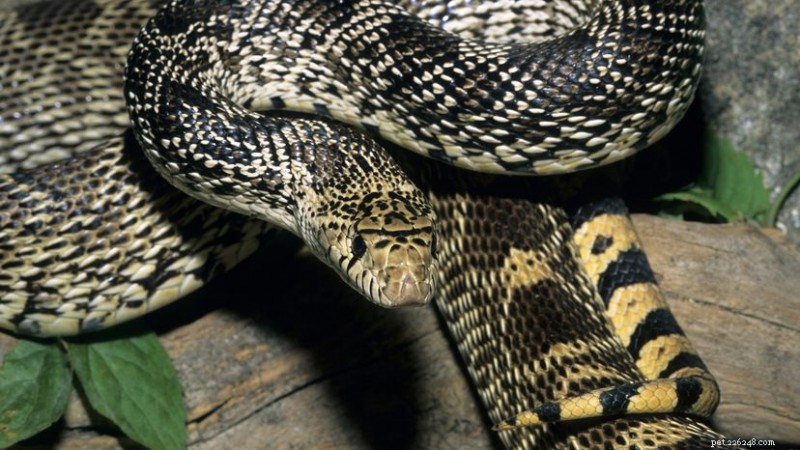
Bull snakes (Pituophis catenifer sayi) rank among the largest and strongest nonvenomous snakes in North America. Often mistaken for rattlesnakes because of their size and bold defensive displays, these reptiles pose no threat to humans. Their presence, however, is crucial for maintaining healthy ecosystems by controlling rodent populations.
Physical Characteristics
Adult bull snakes typically reach 6–8 feet (1.8–2.5 meters) in length, with some individuals growing even larger. They have a robust, heavy body and a distinctive coloration: large, dark blotches along a yellow‑to‑brown or cream background that become darker toward the tail. The belly is usually yellowish with black spots.
Subspecies and Geographic Variation
Bull snakes are a subspecies of the gopher snake (Pituophis catenifer). Other members of this group include the Pacific gopher snake and the Florida pine snake. Each subspecies has evolved adaptations suited to its region—from sandy soils of the southeast to the prairies of the Midwest—resulting in variations in size, coloration, and behavior.
Behavior and Social Habits
These snakes are solitary, coming together only for mating. They are primarily diurnal but can also be active at dawn or dusk, especially during hot weather. When threatened, bull snakes exhibit impressive bluff defenses: loud hissing, head flattening, and tail vibration that mimics a rattlesnake’s rattle. They prefer to escape rather than confront a threat.
Diet and Predatory Strategy
As opportunistic predators, bull snakes feed on small mammals such as ground squirrels, mice, and rats; they also consume bird eggs, birds, and occasionally amphibians. Their powerful constricting ability allows them to subdue prey larger than many other snake species, providing essential pest control for farms and natural habitats.
Reproduction and Life Cycle
Spring mating culminates in the female seeking a warm, secluded site—often a burrow or under a log—to lay 5–20 eggs. The eggs incubate for 60–75 days before hatching. Hatchlings are independent from birth, growing rapidly in the first few years and reaching sexual maturity around age three.
Habitat and Range
Bull snakes thrive across a broad swath of North America, from northern Mexico to southern Canada. They favor loose, well‑drained soils that allow burrowing, and are common in prairies, grasslands, agricultural fields, and open forests. Their climbing and swimming abilities enable them to navigate diverse terrains.
Conservation Status
While not currently listed as endangered, bull snakes face threats from habitat loss and human persecution. Misidentification as venomous rattlesnakes often leads to unnecessary killings. Conservation efforts focus on public education about their ecological benefits and habitat protection. Protecting these snakes helps sustain natural rodent control and biodiversity.
Information presented herein has been reviewed by a HowStuffWorks editor and verified for accuracy.
- 19 Heartwarming Bunny Memes & Photos to Brighten Your Day
- Decoding Odd Cat Behavior: Causes & Solutions
- Rat Terrier Behavior: Traits, Energy, and Family Bonding
- Gary & Minou: Our Journey with a Premier Ragdoll Breeder
- Eastern Newt Care: Expert Tips for a Thriving Aquatic Home
- Effective Ways to Stop Your Cat from Begging for More Food
- New Study Shows Anger Undermines Trust Between Humans and Dogs