

King Cobra: Nature, Diet, and Mating Behaviors of the World's Largest Venomous Snake
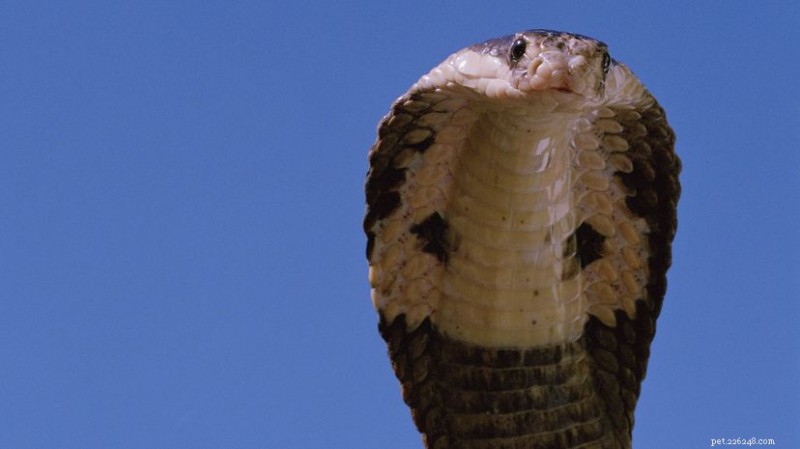
When threatened or agitated, a king cobra (Ophiophagus hannah) unfurls a distinctive hood by raising its ribs and skin, creating a shape reminiscent of spectacles. This dramatic display is often accompanied by a deep, guttural hiss that sounds more like a growl than a typical snake hiss. © Ryan McVay / Getty Images
The king cobra is the longest venomous snake in the world, capable of reaching lengths up to 18 ft (5.5 m) and occasionally exceeding 18.5 ft (5.6 m). With olive‑green to brownish‑black scales and lighter yellow bands, it is a striking presence in the forests of South and Southeast Asia.
Characteristics
Ophiophagus hannah stands out for several morphological traits:
- Maximum length of 18 ft (5.5 m), making it the longest venomous snake.
- Dark, glossy scales composed of keratin, with lighter cross‑bars for camouflage.
- Prominent nostrils that enhance olfactory sensitivity.
- Broad, elongated head with a wide gape, facilitating a potent bite.
- Neurotoxic venom capable of immobilizing or killing prey, including large mammals.
- Longevity of up to 20 years in the wild, which is exceptional among snakes.
- Unique taxonomic status as the sole member of the genus Ophiophagus.
Diet
The king cobra is a specialized predator, primarily feeding on other snakes—both venomous and non‑venomous—hence the name “snake‑eater.” Its preferred prey includes Asian rat snakes, pythons, and occasionally its own species in times of scarcity (cannibalism). The diet may also encompass lizards and small mammals.
Hunting strategy relies on rapid venom delivery to subdue prey and simultaneously initiate digestion by breaking down proteins. This efficient method solidifies the king cobra’s position as a top predator in its habitat.
Habitats
Native to dense forests, high‑land woodlands, mangrove swamps, bamboo thickets, and areas near rivers and streams across Northern India, Southern China, Indonesia, the Philippines, and Malaysia, the king cobra thrives in humid, tropical environments.
Mating
During the breeding season, males become highly territorial and engage in ritualized combat with rivals—a display of strength rather than lethal aggression. These encounters involve entwining, pushing, and shoving, with the winner earning mating rights.
Females exhibit exceptional parental care for a venomous snake. After mating, a female constructs a nest from leaves and debris, guards the eggs diligently, and departs once the hatchlings emerge, leaving the young to fend for themselves.
The Combat Dance
Male king cobras showcase their dominance through a non‑lethal “combat dance.” Two snakes lift their bodies, entwine, and attempt to push the opponent’s head to the ground. The victorious male gains the opportunity to mate.
What About the Hiss?
The king cobra’s hiss is deeper and more resonant than that of other snakes, a result of its larger size and unique respiratory anatomy. This sound, combined with the raised hood, serves as an intimidation tactic against potential predators or threats.
Beyond intimidation, the hiss functions in communication—during courtship, territorial disputes, or social interactions with conspecifics.
Venom Potency
While not the most potent among venomous snakes, the king cobra’s venom is highly dangerous due to the large volume it can inject in a single bite. The venom contains neurotoxins, cardiotoxins, and other compounds that cause severe pain, blurred vision, vertigo, drowsiness, paralysis, and respiratory failure.
Without prompt treatment, the bite can be fatal, primarily because of respiratory failure induced by the neurotoxins. Rapid administration of antivenom significantly improves survival chances.
Threats to Survival
Habitat loss from deforestation, agriculture, and urbanization reduces available living space and prey populations. Illegal wildlife trade further endangers the species, as king cobras are hunted for their skin, traditional medicine, and the pet trade.
Conservation efforts and public awareness are critical to counter these threats and preserve ecological balance.
Conservation Status
According to the IUCN Red List (2023), the king cobra is classified as “Vulnerable,” indicating a high risk of extinction in the wild.
Protection measures focus on habitat conservation, restoration, and research to better understand the species’ ecology. Public education campaigns aim to reduce fear and misinformation, fostering coexistence.
Effective enforcement of national and international laws is essential to curb poaching and illegal trade.
King Cobra vs. Indian Cobra: Key Differences
- Length: King cobra up to 18 ft (5.5 m) versus Indian cobra 4–5 ft (1.2–1.5 m).
- Habitat: King cobra favors highland forests; Indian cobra thrives in varied environments, including farms and urban areas.
- Diet: King cobra preys mainly on snakes (including the Indian cobra); Indian cobra consumes rodents, frogs, and other small animals.
- Venom: Both possess neurotoxic venom; the king cobra’s is more potent, yet the Indian cobra causes more human fatalities due to proximity to humans.
- Behavior: King cobra is reclusive and avoids human contact; Indian cobra is frequently encountered in human‑modified landscapes.
- Cultural Significance: Both hold mythological importance, but the Indian cobra features more prominently in religious rituals and iconography.
Updated with AI technology and fact‑checked by a HowStuffWorks editor.
- Tom: The Fluffy Persian Bear Boy Who Captivates Hearts
- Discover if Your Rabbit Is Ticklish: Signs & Tips
- PetSmart Cat Vaccination Costs Explained
- Why Do Dogs Kick Their Legs Like Bulls After Pooping? Common Causes & Solutions
- Female Betta Fish: Stunning Color Variations Explained
- Can Dogs Thrive on a Sailboat? Expert Tips for Pet-Friendly Sailing
- Budgies' Intelligence Unveiled: Proven Facts & Expert Tips to Keep Them Sharp