

Burmese Python Invasion: How This Powerful Snake Threatens Florida’s Ecosystems
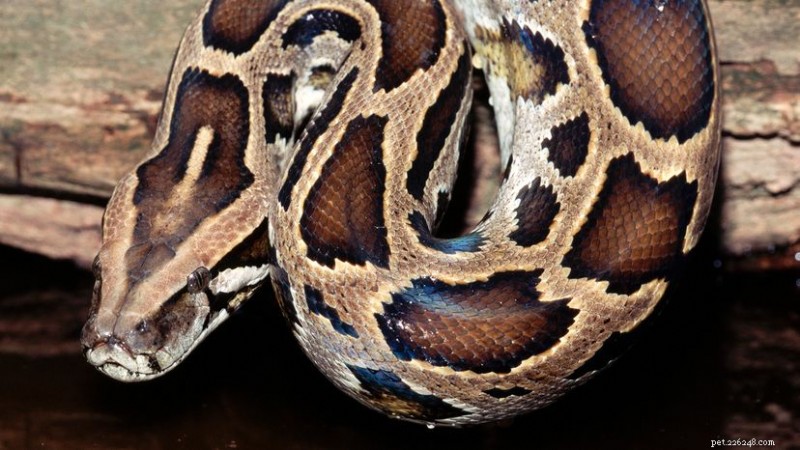
Florida’s Everglades now face a silent menace: the Burmese python (Python molurus bivittatus). Imported in the 1990s, these non‑venomous constrictors quickly established a self‑sustaining population that now numbers in the tens of thousands.
Although the U.S. banned the import of Burmese pythons in 2012, their legacy persists. Abandoned by owners, they thrive in wetlands, rivers, and even urban backyards, remaining largely undetected due to a detectability rate below 1%.
Key Characteristics
The Burmese python is one of the world’s largest snakes, commonly measuring 10–20 feet (3–6 m) in the wild, with occasional specimens exceeding 23 feet (7 m). Females are larger and heavier than males, a classic example of sexual dimorphism.
These snakes possess recurved teeth that secure prey, and heat‑sensitive pits along their lips that help them locate warm‑blooded animals in low light.
Native and Invasive Habitats
Originating from Southeast Asia—Myanmar, Thailand, Vietnam, and Indonesia—Burmese pythons inhabit diverse ecosystems such as rainforests, swamps, and grasslands. They favor freshwater environs, often found near riverbanks, ponds, and wetlands, where their swimming skills give them a hunting advantage.
In Florida, the Everglades’ subtropical wetlands provide an ideal match, allowing the species to expand beyond its native range and impact local fauna.
Mating, Reproduction, and Behavior
As oviparous reptiles, Burmese pythons lay clutches of 20–80 eggs, typically during cooler, drier months. Females incubate eggs by coiling around them, generating heat until hatching. The hatchlings are fully independent, receiving no parental care.
Solitary and primarily nocturnal, these pythons are usually docile but will hiss, strike, or bite when threatened. Their default response to danger is flight rather than confrontation.
Diet and Hunting Strategies
Opportunistic predators, they feed on rodents, birds, rabbits, and even deer as they grow. They employ a sit‑and‑wait approach, using camouflage and stealth near water or vegetation before striking with sharp teeth and constricting their prey.
Their highly flexible jaws allow them to swallow prey larger than their heads, after which they enter a prolonged fasting period that can last weeks or months.
Impact as an Invasive Species
In Florida, Burmese pythons have become a flagship invasive species, posing significant threats to native wildlife. The National Park Service and the Florida Fish and Wildlife Conservation Commission (FWC) actively manage populations through hunting, removal programs, and research.
Public involvement is encouraged: sightings should be reported to the FWC’s Exotic Species Hotline.
The Florida Python Challenge
The FWC’s annual competition mobilizes the public and experienced hunters to capture and remove invasive pythons. Participants compete for prizes based on metrics such as the number, size, and location of captures, while contributing valuable data on python distribution and behavior.
Effects on Native Species
Burmese pythons prey on bobcats and compete for shared prey, potentially reducing food availability for this native wildcat. A 2022 study in Ecology and Evolution revealed bobcats actively hunting python eggs, suggesting an adaptive predator‑prey dynamic that could help curb python populations.
In 2021, a motion‑sensitive camera documented a bobcat consuming multiple eggs from a 115‑pound python nest in Big Cypress National Preserve. While isolated, such interactions hint at a possible natural check on the invasive species.
These findings underscore the complexity of Florida’s ecosystems and the importance of ongoing research and public engagement.
© 2026 HowStuffWorks. This article was drafted with AI assistance and subsequently fact‑checked and edited by a HowStuffWorks editor.
- 7 Stunning Brown Cat Breeds – Find Your Perfect Feline Match
- The Power of Positive Reinforcement: Humane, Effective Dog Training
- Do Tarantulas Pose a Threat to Humans? Understanding Their Aggression Levels
- Heartwarming First Meeting of Border Collie Sibling: A Gentle Big Brother Moment
- Ear Mites in Cats: Symptoms, Causes, and Effective Treatments
- Expert Guide to Mudpuppy (Waterdog) Care – Part 2: Habitat and Light Management
- Nine Key Benefits of Spaying or Neutering Your Pet