

Can Reptiles Be Trained? Insights from Leading Reptile Training Professionals
When most people think of animal training, reptiles are rarely at the top of the list. But research and field experience confirm that reptiles—especially intelligent species such as monitor lizards, crocodilians, and large chelonians—can be trained effectively. Training not only eases husbandry tasks but also enriches reptiles’ mental and physical health.
Meet the Reptile Training Professionals
Ryan Martinez – Zoo Miami, Ectotherm Specialist
Ryan brings a unique blend of hands‑on experience and academic knowledge. After starting as an alligator wrestler, he transitioned to the Amphitheater, where he conditioned a diverse array of animals for live shows. His current focus is on high‑activity reptiles, applying the same conditioning principles he used with birds and mammals, but adapted to reptiles’ lower food intake and different activity rhythms.
Chris Gillette – Alligator Enthusiast & Educator
Chris is a self‑taught handler who began his career wrestling alligators for public shows. He discovered that these large reptiles can learn cues and will respond reliably to training. He now conducts underwater tours where he teaches alligators to swim to his call, allowing visitors to safely observe and photograph them.
Lori Torrini – Certified Animal Trainer & Behaviorist
Lori’s background spans horse and dog training, zoo keeping, animal health, and applied behavior. After achieving certifications from CCPDT and Fear Free Pets, she applied learning science to reptiles. She has trained thousands of snakes in targeting, stationing, and consent behaviors, and she now offers consulting services to other keepers.
Training Techniques in Practice
Ryan’s approach combines food rewards with secondary reinforcers such as bright colors or gentle back scratches. Because reptiles eat less frequently than birds, he schedules two to three sessions per week and uses items like blood‑flavored gelatin or tuna juice to avoid over‑feeding.
Chris trains alligators to respond to verbal cues, stand for food, and follow underwater commands. His hallmark is an alligator that emerges from the water at his call—an impressive demonstration of recall that also serves educational purposes.
Lori employs positive reinforcement to teach snakes cooperative care. Target training lets snakes step onto a scale or carrier voluntarily; station training enables them to exit enclosures for veterinary exams or emergencies. One client used station training to evacuate a snake during a flood, showcasing the practical safety benefits.
What Makes a Good Reinforcer?
Food remains the most effective reward across reptile species. For carnivores, whole‑prey or protein‑rich treats work well; for herbivores or omnivores, small fruit or vegetable pieces are enticing. Freedom—allowing the animal to choose when to comply—serves as a powerful secondary reinforcer, especially for snakes that value autonomy.
Benefits of Training Reptiles
- Safer Husbandry: Voluntary crate entry reduces the need for ropes or forceful restraint.
- Health Protection: Recall training can prevent reptiles from ingesting trash or dangerous items.
- Enrichment & Well‑Being: Training offers mental stimulation, builds problem‑solving skills, and reduces stress.
- Staff & Public Engagement: Demonstrations showcase reptiles’ intelligence and foster visitor appreciation.
Challenges & Overcoming Them
Reptiles’ activity levels and lower metabolism mean that training sessions can be unpredictable, especially in cooler months when basking dominates. Training success hinges on aligning reinforcement with natural feeding cycles and allowing the animal to choose when to participate.
Favorite Experiences
Ryan is thrilled with two American alligators he recently trained, noting their rapid confidence gains in outdoor pools.
Chris recalls an alligator that, after two years apart, responded to his call—highlighting the durability of learned behaviors.
Lori’s highlight is a Bredl’s Python named Spock, whose training was documented in a paper presented at the Animal Behavior Management Alliance Conference.
Reptilinks: A Reinforcement Solution
Reptilinks offer a convenient, mess‑free way to deliver high‑value, nutritionally balanced rewards. The variety—whole prey for carnivores, fruit‑and‑veggie blends for omnivores—provides consistent reinforcement while respecting caloric limits. Smaller link sizes allow multiple rewards per session without over‑feeding, mirroring dog treat strategies.
Connect with the Experts
Ryan Martinez
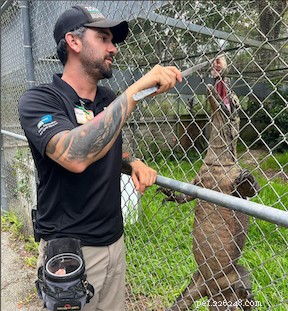
Instagram: @zookeeper_ryan
Chris Gillette
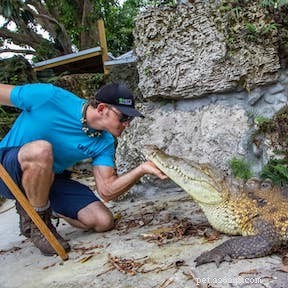
Website: crocodilechris.com
Instagram: @gatorboys_chris
YouTube: Channel
Lori Torrini

Website: behavioreducation.org
Instagram: @loritorrini
YouTube: Lori Torrini
- Why Dogs Refuse Nose Touches: Understanding Their Sensitivity
- Can Chickens Safely Eat Snakes? A Clear Guide to Their Diet and Safety
- Protect Your Pets from the Silent Threat of Carbon Monoxide Poisoning
- What Causes a Quiet Dog? Understanding When Your Dog Stops Barking
- How to Address a Smelly Cat Wound: Quick Diagnosis & Care Tips
- 12 Essential UK Animal Shelter Statistics & Facts (2022) – Insights, Benefits & Trends
- Collie-Friendly Treats: Gentle on the GI Tract & Loved by Rough & Smooth Collies