

Which Bird Is the U.S.’s Most Common? A Deep Dive into North America’s Favorite Backyard Residents
When people ask, "What’s the most common bird in the U.S.?", the answer isn’t a single species. It depends on whether you measure sheer numbers, how often a bird appears in everyday settings, or the geographic reach of a species. This article examines the most frequently encountered birds across U.S. backyards, parks, and public spaces, drawing on the latest population estimates from the U.S. Geological Survey, the Cornell Lab of Ornithology, and other reputable sources.
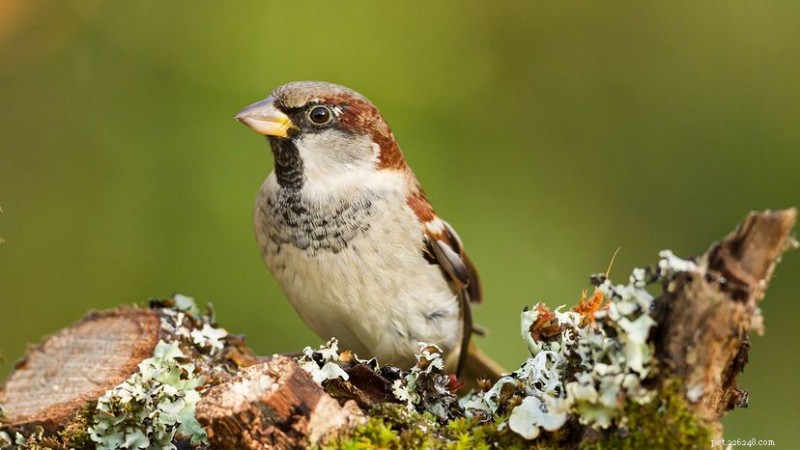
1. House Sparrow (Passer domesticus)
House Sparrows are the world’s most abundant breeding bird, with an estimated 740 million pairs worldwide. Though non‑native to North America, they thrive wherever humans leave crumbs, build structures, or maintain landscaped gardens. Their omnivorous diet—seeds, scraps, and insects—makes them highly adaptable to urban and rural environments alike. Consequently, House Sparrows are a staple near feeders, sidewalks, and parking lots, illustrating how human‑altered landscapes can support large bird populations.
2. American Robin (Turdus migratorius)
The American Robin ranks among the most common North American landbirds, with a global breeding population of about 370 million. Found in every state and the District of Columbia, robins are easily recognizable by their orange breast and gray back. They hunt worms and insects on lawns and switch to berries in late summer, making them a familiar sight in suburban yards, city parks, and forest edges.
3. Northern Cardinal (Cardinalis cardinalis)
With an estimated 130 million breeding pairs, the Northern Cardinal is one of the nation’s most recognizable birds. Males blaze with bright red plumage and a black mask; females display warm brown tones. Cardinals are common throughout the eastern and central United States, thriving in gardens, shrubbery, woodlands, and wetlands. Their status as the state bird of seven states underscores their cultural prominence and widespread visibility.
4. Mourning Dove (Zenaida macroura)
These graceful, soft‑gray doves are strong flyers, reaching speeds up to 55 mph (89 kph). They frequent open habitats—including urban parks, farms, and roadsides—and are often seen strolling beneath feeders. Mourning doves breed prolifically, nesting multiple times per season, which sustains their high numbers across a broad geographic range. Their low, cooing song is a familiar sound in much of North America.
5. Blue Jay (Cyanocitta cristata)
Blue Jays are unmistakable with their striking blue feathers and bold personality. They inhabit forests, mixed woodlands, and suburban parks, and are known for their loud calls and mimicry—sometimes imitating hawk calls to deter other birds. Jays feed on seeds, nuts, fruit, and insects, and they are a regular visitor at bird feeders, demonstrating their adaptability to human environments while retaining a strong tree‑centric lifestyle.
6. Dark‑Eyed Junco (Junco hyemalis)
Often called “snowbirds,” Dark‑Eyed Juncos breed in Canada and Alaska but migrate south for winter. They prefer mixed woods, coniferous forests, and brush edges, and winter flocks forage on the ground for seeds. Regional variations in plumage can make them appear as separate species, but they belong to the same taxon and are a common winter sight across the continental U.S.
7. House Finch (Haemorhous mexicanus)
Originally native to the western U.S., House Finches have expanded rapidly nationwide. Males display a bright red head and chest, though the hue can shift with diet. They thrive in feeders, storefronts, and suburban neighborhoods, showcasing how species can benefit from human environments without becoming wholly dependent on them.
8. American Goldfinch (Spinus tristis)
With a breeding population of about 44 million, the American Goldfinch is a summer favorite. Males become bright yellow with black wings, and they favor seed‑rich environments. Their love for nyjer and sunflower seeds makes them popular at tube feeders, and they often fly in loose, wavy flocks. Their breeding season follows the peak of seed production, reflecting an adaptive timing strategy.
Chickadees and Titmice
Black‑capped Chickadees and Carolina Chickadees are energetic, year‑round visitors to feeders and woodland edges. Known for their distinctive “fee‑bee” song, they forage on branches and twigs with rapid, precise movements. The Tufted Titmouse shares similar habits and thrives in deciduous and mixed forests, parks, and neighborhoods with mature trees.
Woodpeckers, Wrens, and Other Familiar Regulars
Downy Woodpeckers—North America’s smallest woodpecker—are widespread and frequent suet feeder visitors. Their larger relative, the Hairy Woodpecker, can be distinguished by size. House Wrens are common around yards and nest boxes, delivering powerful songs during the breeding season. Ruby‑throated Hummingbirds, the sole breeding hummingbird of eastern North America, add a vibrant contrast to the list; they thrive in native flowering plants and benefit from thoughtful gardening rather than only feeders.
- Red‑winged Blackbirds form massive marsh flocks.
- Northern Mockingbirds imitate human sounds like car alarms.
- Black‑billed Magpies patrol western regions.
- American Crows adapt to farms, cities, and roadsides.
Citizen science initiatives, such as eBird and the North American Breeding Bird Survey, continuously refine our understanding of these species’ distribution and abundance across the continent.
This article was generated with AI assistance and subsequently fact‑checked and edited by a HowStuffWorks editor to ensure accuracy and reliability.
- Understanding Dog Diarrhea: Causes, Symptoms, and Care
- Prevent Your Dog from Chasing and Barking at Strangers
- Meet Puff: Blue Point Ragdoll Featured This Week
- Top Herbal Joint Support for Dogs & Cats – Trusted Amazon Choice
- Tabby Cats: A Colorful Pattern, Not a Separate Breed
- 15 Pets That Completely Spoil Their Owners
- How to Act When You Witness Dog Abuse: A Step‑by‑Step Guide