

Can Hamsters and Guinea Pigs Coexist? Expert Care Advice
Popular videos show unlikely friendships between small pets, but real-life care requires a deeper look. Hamsters and guinea pigs come from distinct evolutionary paths and have fundamentally different needs, making shared housing risky and stressful for both.
Evolutionary Roots and Natural Behaviors
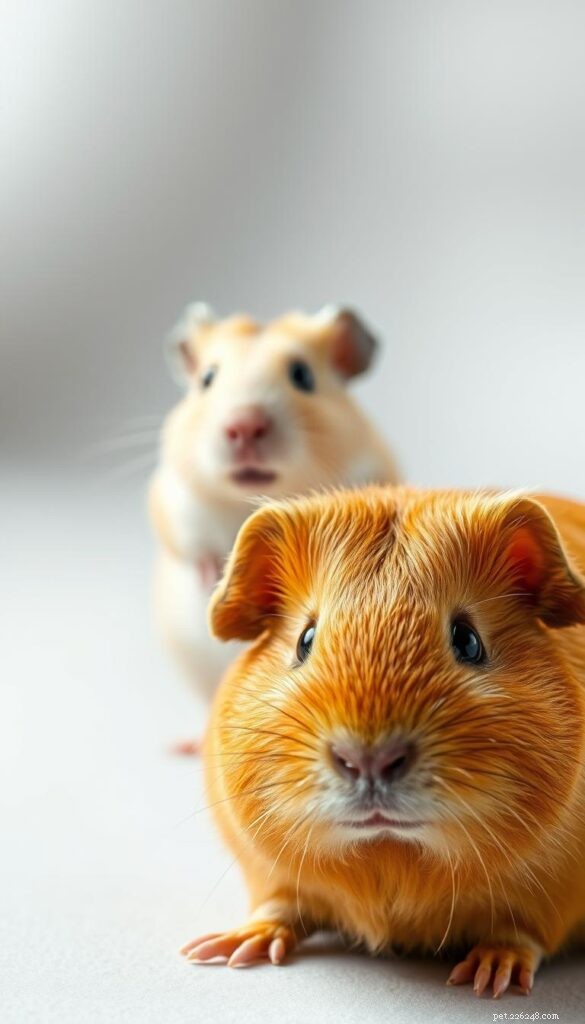
Guinea pigs, native to the Andes, were domesticated over 7,000 years ago and evolved as herd animals that thrive on constant social interaction. Hamsters, originating in the Eurasian steppes, are solitary burrowers that rely on scent marking and personal space. These contrasting backgrounds shape their daily habits and expectations.
Key Historical Milestones
| Feature | Guinea Pigs | Hamsters |
|---|---|---|
| Native Region | Andes Mountains | Eurasian Steppes |
| Domestication Timeline | ~5000 BCE | 1930s CE |
| Social Structure | Herd animals | Solitary creatures |
| Key Historical Fact | Worshipped by Moche civilization | First bred in Jerusalem labs |
Behavioral Compatibility: What to Expect
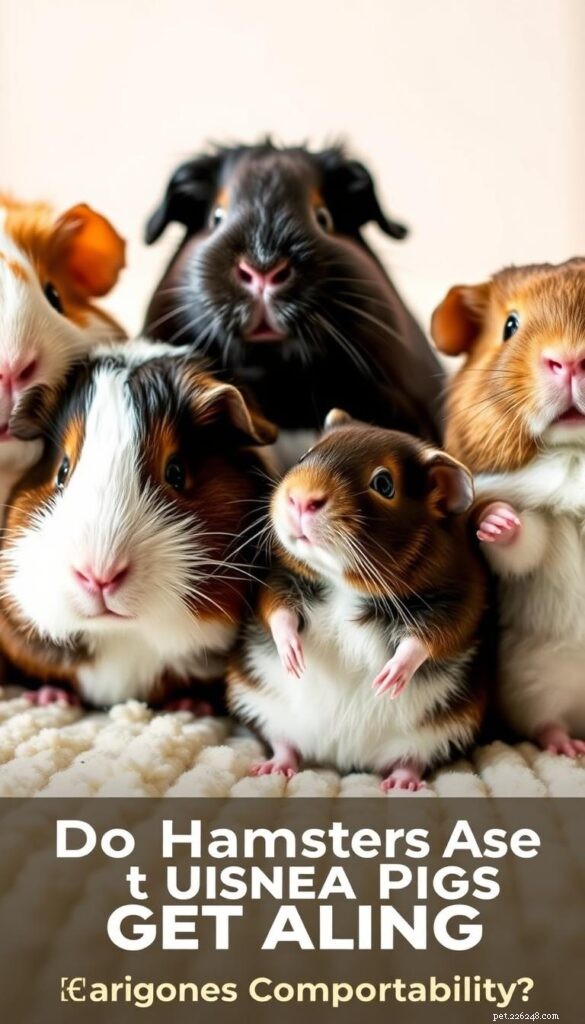
Guinea pigs are social butterflies that communicate through vocalizations, grooming, and shared meals. Without companions, they can become anxious or withdrawn. Hamsters, on the other hand, guard their territory fiercely; sudden movements or unfamiliar scents trigger defensive responses, sometimes resulting in nips or bites.
Social Dynamics
- Guinea pigs: Form complex hierarchies, require daily interaction.
- Hamsters: Claim space via scent, prefer quiet and predictable environments.
Nutrition: Separate Food Requirements
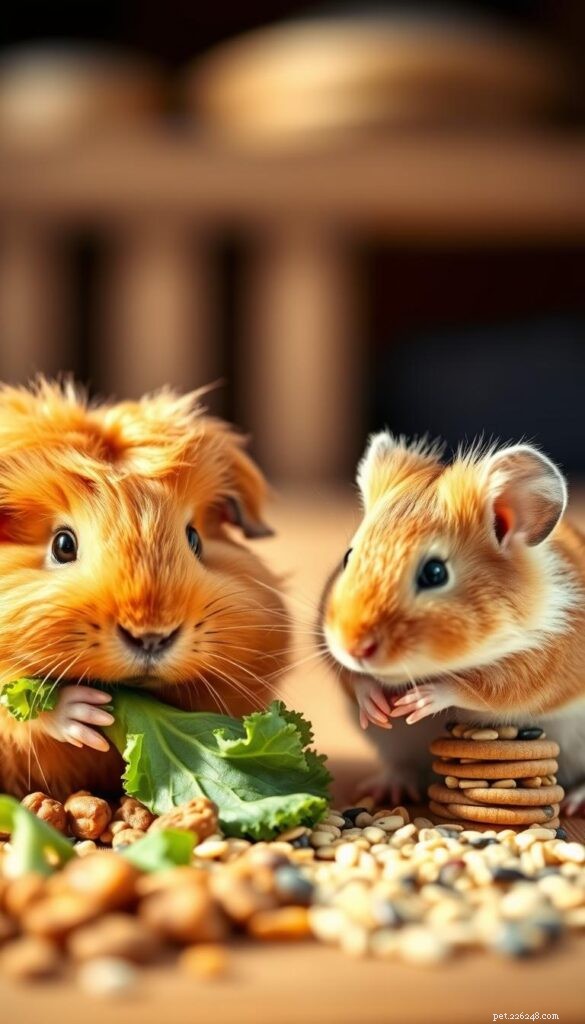
Guinea pigs need continuous access to hay (≈80 % of their diet) and vitamin C‑rich vegetables like bell peppers and kale. They cannot synthesize vitamin C, so a deficiency leads to scurvy. Hamsters prefer calorie‑dense seeds and grains they can stash in cheek pouches; occasional protein from mealworms or cooked eggs satisfies their omnivorous diet. Mixing foods can cause malnutrition or digestive upset for either species.
Quick Nutrition Summary
- Guinea pigs: Constant hay, fresh veggies, daily vitamin C.
- Hamsters: Seeds, grains, protein treats; keep food separate.
Housing & Enrichment: Space and Bedding
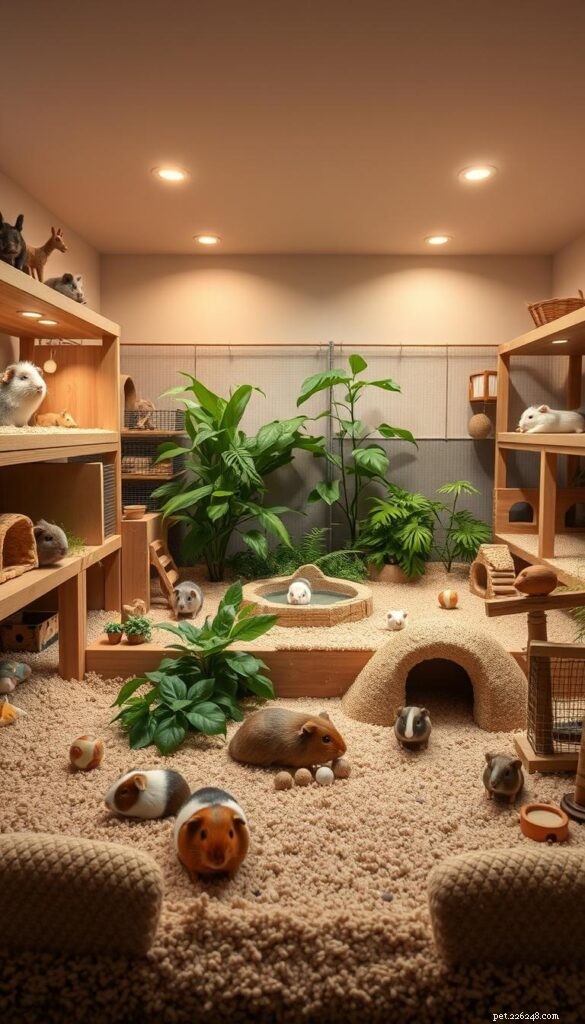
The Humane Society recommends 7.5 sq ft per guinea pig and 10.5 sq ft for a pair. Hamsters require only about 2 sq ft, but need deep bedding (6+ inches) for burrowing. Bedding choices differ: guinea pigs need dust‑free options like fleece or recycled paper, while hamsters thrive on aspen shavings. Cedar or pine is toxic to guinea pigs.
| Feature | Guinea Pigs | Hamsters |
|---|---|---|
| Minimum Floor Space | 7.5 sq ft (single) | 2 sq ft |
| Bedding Depth | 1‑2 inches | 6+ inches |
| Ideal Substrate | Fleece liners | Aspen shavings |
| Social Housing | Required | Not recommended |
Sleep Patterns and Activity Cycles
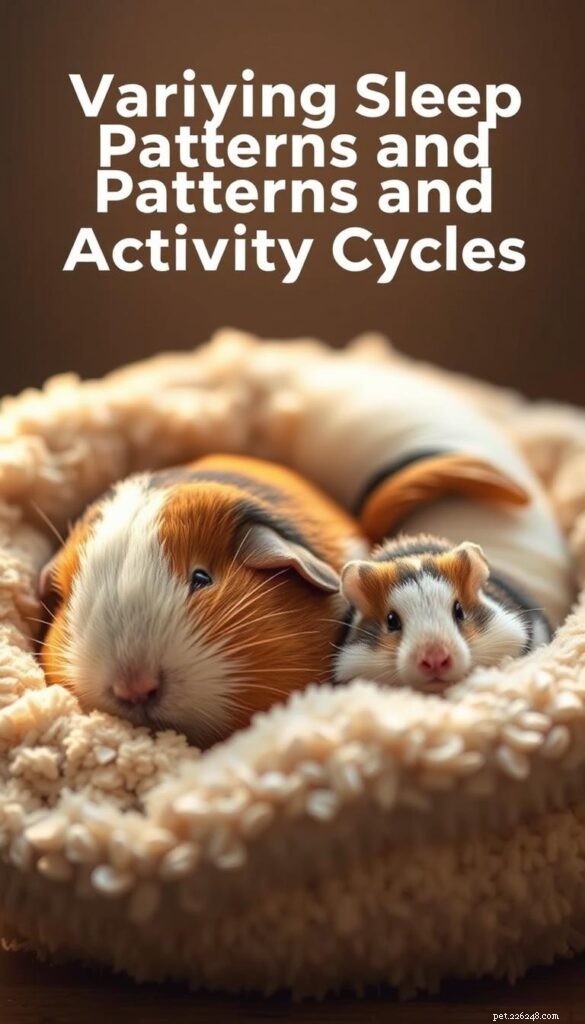
Guinea pigs exhibit irregular activity with short bursts and 10‑30 minute naps throughout the day. Hamsters are nocturnal; they sprint on wheels and hoard food during night hours, sometimes running 5 human miles per night. Overlapping schedules can lead to nighttime noise that disturbs both animals.
Managing Temperament Conflicts
Because each species has a distinct approach to space and interaction, conflicts are common. Providing separate feeding stations and multiple hideouts reduces competition. When housed together, even a gentle sniff can trigger a defensive bite from a hamster.
Frequently Asked Questions
Can they share the same living space?
No. Their social, dietary, and environmental needs diverge significantly. Shared housing risks stress, injury, and illness.
What if they eat each other’s food?
They have incompatible diets. Shared food can lead to malnutrition or digestive upset.
Do sleep cycles affect cohabitation?
Yes. Diurnal guinea pigs and nocturnal hamsters can disturb each other’s rest, increasing stress and aggression.
Can the same bedding be used?
No. Cedar or pine bedding is toxic to guinea pigs; guinea pigs need soft, dust‑free bedding, whereas hamsters thrive on aspen shavings.
Does a larger enclosure prevent conflict?
Even ample space cannot overcome their differing instincts. Separate enclosures are safest.
Why do vets advise against keeping them together?
Beyond diet and habitat, body language differences can cause panic or accidental injury.
How do lifespans affect long‑term care?
Guinea pigs live 5‑7 years; hamsters 2‑3 years. The mismatch complicates routine care and bonding.
- Expert Guide to Potty‑Training a Stubborn Puppy
- Do Dogs Experience Humiliation? Understanding Canine Emotions
- Create a Calming Cat Retreat: Reduce Stress & Anxiety in Your Feline Companion
- Are Sweet Potatoes Safe for Cats? Understanding Weight and Nutrition
- Understanding Your Dog's Sleep Needs: How Many Hours Should They Rest?
- 6 Essential Tips for Working from Home with Your Dog
- Patterdale Terriers: Essential Guide to Common Health Concerns & Prevention