

Guinea Pig Toe Anatomy: Count, Care, and Health Tips
If you’ve ever watched your guinea pig scuttle across the floor, you may have wondered about the anatomy of their tiny paws. While they look simple, their feet are finely adapted to support an active lifestyle.
Your companion has a total of 14 toes: four on each front paw and three on each back paw. This uneven distribution isn’t accidental—it’s a functional adaptation that enhances grip and agility. In a small minority, a harmless genetic variation called polydactyly can add extra digits, typically on the hind feet.
Beyond their toes, guinea pigs possess an impressive skeletal system with 258 bones, over 50 more than humans. This complex framework enables digging, jumping, and quick directional changes.
Understanding toe structure is more than trivia; it’s essential for early detection of foot problems. Routine inspections help keep paws clean and injury‑free, ultimately supporting overall well‑being.
Overview of Guinea Pig Anatomy
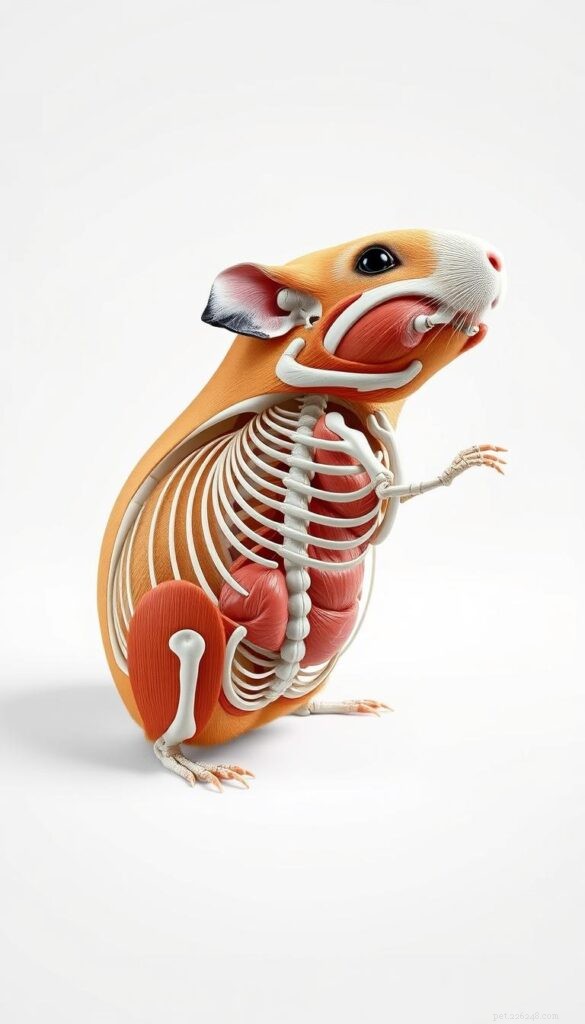
Guinea pigs belong to the Caviidae family, sharing ancestry with capybaras—nature’s largest rodents—rather than farmyard pigs. Their paws are specially engineered for their natural habitats.
Unique Paw Structure
Underneath each foot lies a soft, cushioned pad that acts as a natural shock absorber. These pads enhance traction during exploration and provide stability during sudden sprints, preventing slips that can injure other small rodents.
Comparisons to Human Anatomy
Humans have 206 bones; guinea pigs have 258. The additional bones give their joints flexibility, allowing the limbs to bend sideways instead of forward, which is key for rapid maneuvering in grass or tunnels.
This anatomy explains their success in grassy environments. Because of their active lifestyle, regular foot inspections are vital to maintain healthy, functional paws.
How Many Toes Do Guinea Pigs Have?
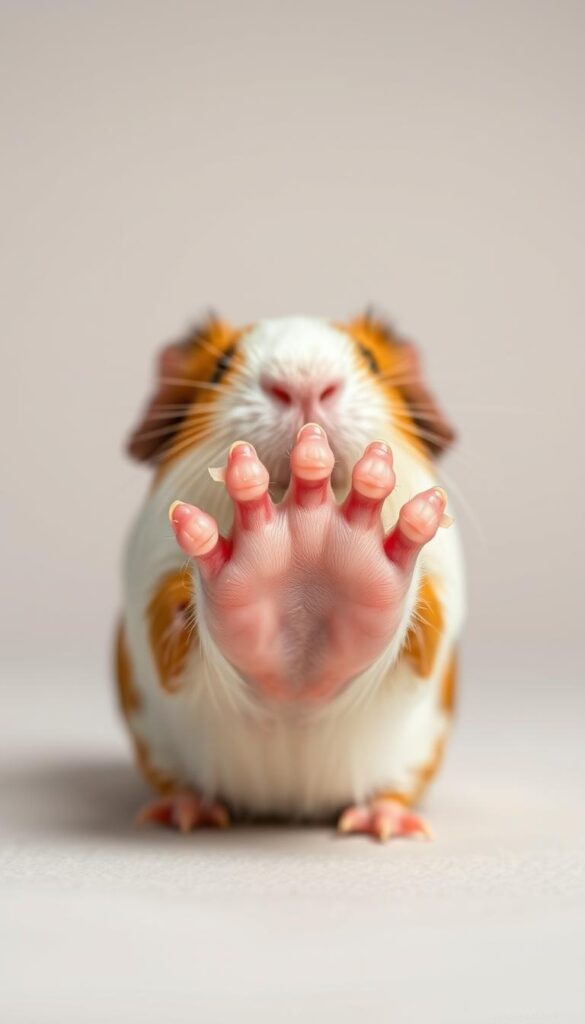
Their front feet each feature four flexible toes, while the hind feet contain three toes. This 4‑to‑3 arrangement totals fourteen digits, optimizing the animal for climbing and rapid movements.
| Paw Type | Toe Count | Key Function | Nail Care |
|---|---|---|---|
| Front | 4 | Grasping food | Trim every 3‑4 weeks |
| Back | 3 | Powerful jumps | Check for curling |
The curved nails on each digit grow continuously. Monthly trims prevent painful overgrowth. Use pet‑safe clippers and be mindful of the pink “quick” inside the nail.
Occasionally, owners spot an extra toe on a hind foot. Polydactyly is harmless but requires extra grooming attention. Keep an eye on dirt buildup between digits during cuddle sessions.
Their paw design evolved for the wild but translates well to cage life. Clean bedding and smooth surfaces help maintain paw health. Proper care ensures your guinea pig’s little legs stay active and happy.
Understanding Guinea Pig Foot Care
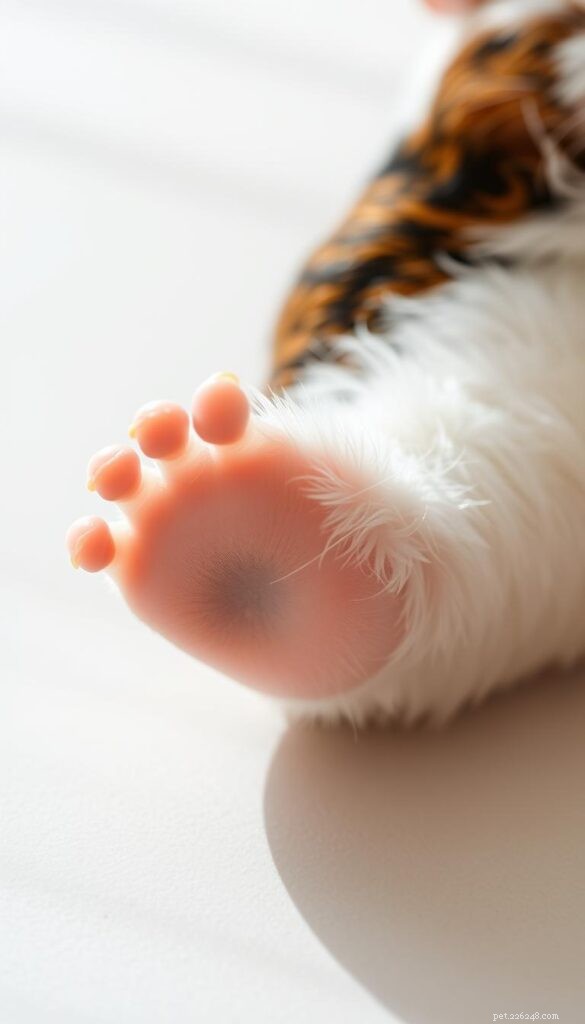
Foot health is central to a guinea pig’s daily adventures. Gentle inspections during cuddle time can catch issues before they become painful.
Preventing Bumblefoot and Other Infections
Bumblefoot (pododermatitis) begins as redness and can develop into painful sores. Dirty bedding or abrasive surfaces often trigger the condition. Swap rough cage mats for soft fleece or paper‑based options to protect delicate pads.
Watch for spurs—thick skin flaps on the front paws. Small spurs are usually harmless, but large ones can tear. If trimming at home, use blunt‑tipped clippers and stop if you see blood. Severe cases warrant a vet consult.
Regular Nail Trimming and Hygiene
Overgrown nails curve inward, making walking painful. Trim every 3‑4 weeks with angled clippers, focusing on the transparent tip and avoiding the pink quick.
Wipe paws weekly with a damp cloth to remove debris, then dry thoroughly to prevent moisture buildup. Pair grooming with veggie treats to keep your pet cooperative.
Other Fascinating Guinea Pig Facts
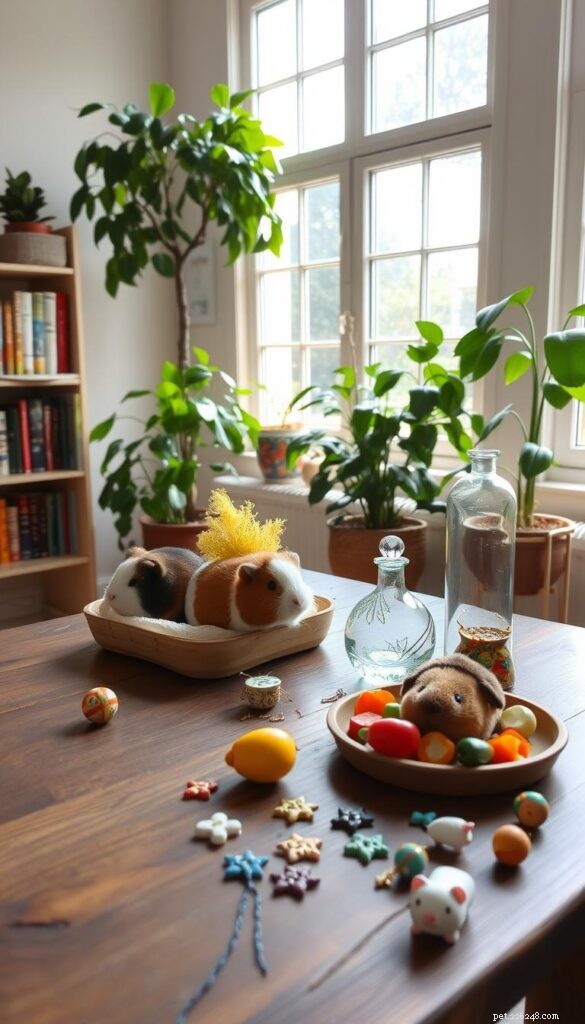
Beyond their charming squeaks and playful hops, guinea pigs possess biological marvels that set them apart.
When Toes Defy the Norm
Some cavies surprise owners with extra digits—a condition called polydactyly. While most have 14 toes, a small percentage sport additional claws on the hind feet. Veterinarians can remove these if they interfere with movement, but many animals live happily without intervention.
Dental Wonders From Day One
Newborn pups arrive with 20 fully formed teeth that grow continuously. Chewing on hay keeps their incisors filed down—a vital adaptation for wild populations.
| Feature | Description | Care Tip |
|---|---|---|
| Extra Toes | Genetic quirk (5% occurrence) | Vet check for mobility issues |
| Teeth Growth | 3‑5 mm weekly increase | Unlimited timothy hay supply |
| Sleep Behavior | Eyes open (90% of time) | Provide hideouts for security |
Notice your guinea pig napping with eyes wide open? This trait, inherited from their Andean ancestors, allows them to stay alert while resting.
Tips for Maintaining Your Guinea Pig’s Health

Thriving in the home requires smart nutrition and a comfortable environment. Their unique biology demands specific care strategies to prevent common problems and extend lifespan.
Balanced Diet and Hay Requirements
Timothy hay should constitute 80% of their diet—acting as a natural toothbrush and digestive aid. Pair with vitamin C‑rich vegetables such as bell peppers or kale daily. A single handful of parsley can provide 130% of a guinea pig’s daily vitamin C needs, which they cannot synthesize.
Temperature and Environmental Considerations
Guinea pigs are sensitive to heat. Ideal ambient temperatures range from 60–73 °F (16–23 °C). During hot weather, use frozen water bottles wrapped in towels to keep them cool. Watch for heavy panting—an early sign of overheating.
| Care Factor | Ideal Range | Warning Signs |
|---|---|---|
| Temperature | 16–23 °C | Lethargy, drooling |
| Hay Intake | Unlimited | Weight loss, overgrown teeth |
| Sleep Cycles | 4–6 naps/day | Nighttime hyperactivity |
They often take short power naps throughout daylight hours. Providing shaded areas helps them rest comfortably and reduces stress.
Final Thoughts on Foot Care and Guinea Pig Well‑Being
Healthy feet are essential for the energetic “popcorn” jumps that characterize guinea pig play. Regular nail trims and pad checks are more than chores—they’re bonding moments that keep your pet agile and confident.
When you see your cavy sleeping with closed eyes, it signals complete trust and comfort in your care. By attending to their toe counts, dental health, and daily nutrition, you become more than an owner—you become a trusted partner in their life.
FAQ
Why do their front and back feet look different?
The front paws have four toes, while the hind feet have three. This design aids digging, climbing, and quick movement across uneven terrain. The shorter hind toes also provide stability during rapid turns.
Can they develop foot problems like humans?
Yes. Rough surfaces, dirty bedding, or overgrown nails can lead to infections such as bumblefoot. Weekly checks for redness or swelling, combined with clean bedding, help prevent issues. Soft fleece bedding from reputable brands reduces irritation.
Do they need special nail clippers?
Small‑animal clippers are best—human nail tools can crush delicate nails. Trim every 3–4 weeks, avoiding the pink “quick.” If unsure, ask a vet for a demonstration.
How does hay affect their dental health?
Chewing timothy or orchard hay wears down constantly growing teeth. Insufficient roughage can cause overgrown teeth, leading to pain and difficulty eating. Offer unlimited hay daily alongside vitamin C‑rich vegetables.
Can they have extra toes?
Rarely, some are born with polydactyly—a genetic trait that adds extra toes. While usually harmless, monitor for nail overgrowth or mobility issues and consult an exotic vet if discomfort arises.
Why is room temperature important?
They thrive between 65–75 °F. High heat can cause heatstroke, while drafts may lead to respiratory infections. Use a thermometer in their space and avoid placing cages near windows or vents.
Do their teeth ever stop growing?
No. Their incisors grow continuously, so chew toys and hay are essential. Wooden blocks or apple sticks help maintain healthy grinding and prevent dental spikes.
How long do they typically live?
With proper care, they average 5–7 years. Regular vet checkups, a balanced diet, and a stress‑free environment maximize lifespan. Watch for signs of illness, such as weight loss or labored breathing.
- Veterinary Insight: Why Your Cat Is Yowling at You
- Regular vs Premium Dog Food: Understanding the Key Differences
- Beyond Treats: Mastering Effective Rewards for Your Dog
- Brighten Your Day with Adorable Cat Emojis – A Guide for Cat Lovers
- Cat Mate C500 Automatic Pet Feeder: Features, Performance, and User Reviews
- Mastering Dogue de Bordeaux: Expert Training Tips for Loyal Giants
- Can Dogs and Hedgehogs Live Together? Expert Tips for Safe Coexistence