

The 7 Most Unconventionally Ugly Birds and Their Evolutionary Advantages
Beauty is a cultural construct, but in the avian world, some species have evolved startlingly unconventional features that serve vital ecological functions. These seven birds may not win any beauty contests, yet their appearances are perfect adaptations honed by millions of years of evolution.
1. Marabou Stork
Widespread across Sub‑Saharan Africa, the Marabou Stork (Leptoptilos crumenifer) is a towering scavenger with a bald head, pinkish air sac, and hooked bill. The absence of feathers on its head keeps it clean while tearing open carcasses—an advantage shared by many vulture species. Its imposing black plumage and resonant calls dominate the landscape during courtship.
2. King Vulture

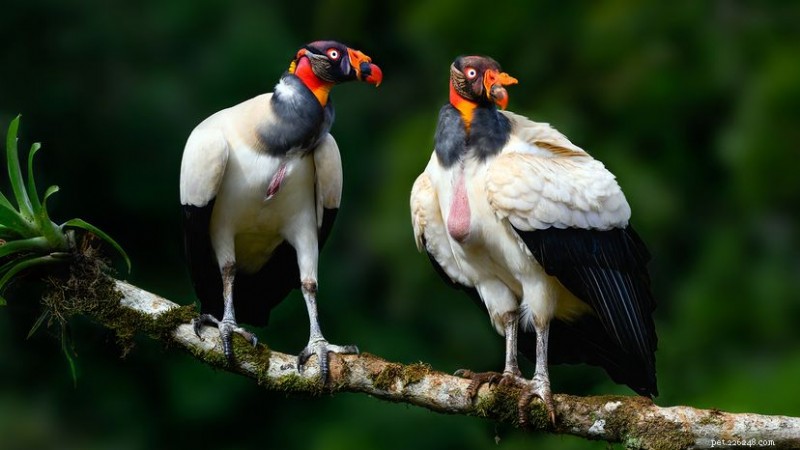
Native to Central and South America, the King Vulture (Sarcoramphus papa) flaunts bright orange and red skin patches but also a bald, wrinkled face. Despite its jarring look, it is the largest scavenger in its range, using a powerful hooked beak to shred tough hides. Unlike many vultures, it breeds monogamously, with males courting a single partner at secluded nesting sites.
3. Northern Bald Ibis

Once widespread across the Middle East, southern Europe, and northern Africa, the endangered Northern Bald Ibis (Geronticus eremita) sports a fully bald, scarlet head and a long, hooked beak. Its bare head aids in hunting insects and small prey on rocky terrain. Habitat loss and historical persecution drove its decline, but modern conservation programs are restoring populations in their native ranges.
4. Muscovy Duck

Native to Mexico, Central and South America—and introduced in parts of the United States—the Muscovy Duck (Cairina moschata) features a strikingly wrinkled, red facial skin and little head plumage. It thrives in dense forests and shallow waters, feeding on vegetation and small fish. Though its appearance may be off‑putting, it is closely related to domesticated ducks and is known for its quiet demeanor.
5. Southern Ground Hornbill

From Kenya to South Africa, the Southern Ground Hornbill (Bucorvus leadbeateri) displays glossy black feathers, a vivid red face, and a strikingly bare facial skin that lends it a fierce look. It forages on the ground for insects and small vertebrates, and its booming calls dominate savanna and woodland ecosystems. Long‑term pair bonds and family groups characterize its social structure.
6. California Condor

The largest flying bird in North America, the California Condor (Gymnogyps californianus) boasts broad wings, a bald head, and stark black plumage. Its featherless head prevents carrion from contaminating its feathers, enhancing hygiene during scavenging. The species was once critically endangered due to habitat loss and lead poisoning, but intensive breeding and reintroduction programs have seen a notable recovery, though it remains closely monitored.
7. Long‑Wattled Umbrellabird

In the tropical forests of South America, the Long‑Wattled Umbrellabird (Cephalopterus ornatus) lives up to its name. The male’s umbrella‑shaped crest and long, inflatable wattle are key to courtship displays. Its small head, black plumage, and awkward silhouette make it one of the world’s most unique-looking birds, yet its booming calls and dramatic features are highly attractive to potential mates.
These birds demonstrate that evolutionary beauty often lies in function rather than conventional aesthetics. Each species has carved a niche in its environment, turning seemingly unattractive traits into survival advantages.
- Beginner’s Guide: How to Feed Tarantulas Safely and Effectively
- Stop Your Cat From Chewing Cords & Wires: Safe & Simple Solutions
- Rhodesian Ridgeback Size Guide: Tracking Growth by Weight & Age
- The Ultimate Kitten Care Guide: Feeding, Vet Visits & Long-Term Wellness
- Choosing the Best Dog Food: A Vet‑Backed Guide for Your Furry Friend
- Florida Lizards: 25 Most Common Species & Their Photos
- Safe Dog Trading: Step‑by‑Step Guide to Teaching Your Dog to Exchange Items