

Is Your Bird in a Constant Molt? Understanding and Managing Chronic Feather Loss
By Diane Burroughs
Published: Feb 1, 2026 | Updated: Feb 2, 2026
0 comments
Long‑term feather or skin problems don’t appear out of the blue.
Most owners notice not a single bad day, but months of feathers falling, not resprouting properly, and persistent irritation.
This guide is not for panic mode.
It’s not beginner self‑help. It teaches you how to spot a truly chronic issue, understand why self‑repair stalls, and what actions genuinely help.
What you’ll learn:
- How to determine whether the problem is truly chronic
- Why feather and skin damage may not self‑heal
- When routine care is enough and when professional help is mandatory
Recognizing the Behavior You See
Not a one‑off mistake – it’s a repeating pattern.
Feathers fall, regrow poorly, irritate the skin, and the cycle starts again. Before deciding “molt” or “plucking,” observe and document what your bird actually does, day after day.
Common Observations
- Back‑to‑back molting with little or no recovery (“constant molt”)
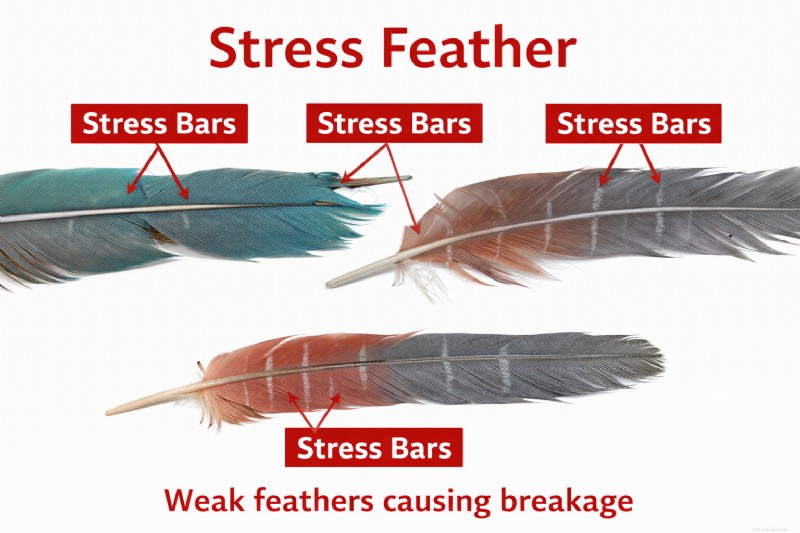
- Regrown feathers that appear thin, stressed, or fragile
- Dry, irritated skin or self‑injurious behavior (itching, over‑preening)
Self‑Assessment Checklist
Keep it simple.
Record the last time you saw healthy feathers and take weekly photos of the same area under consistent lighting. This evidence will let you differentiate molt from plucking.
When Is It Normal, When Is It Alarming?
What a Typical Molt Looks Like
A healthy molt unfolds in waves: feathers drop, new ones emerge, then a calm period follows. Even the awkward pin‑feather phase passes as the feather shaft opens and the skin settles.
Red Flags for Concern
- No noticeable pause between molts
- Persistent itchiness before feathers fully mature
- Worsening feather quality with each cycle (more breakage, weaker structure)
- Skin that never appears settled, even during off‑molting periods
Action Plan
Comparing your bird to others can mislead you. Focus on how current feathers compare to your bird’s own past and how long the rough cycle has persisted. A pattern that doesn’t resolve usually indicates insufficient body recovery time.
Immediate Steps to Stabilize Your Bird
Prioritize Self‑Healing, Not Self‑Fixing
- Adopt a consistent, nutrient‑dense diet that supports feather growth and self‑repair.
- Minimize handling or environmental disruptions that divert energy from feather building.
- Offer light misting or a gentle bath only if your bird associates it with positive outcomes (e.g., a treat).
What Not to Do
- Don’t attempt behavioral retraining during active molt.
- Avoid overhauling the environment mid‑cycle.
- Refrain from trial‑and‑error supplements without evidence.
Why It Matters
Rushing to address every symptom can keep the body in a chronic stress state, which directly impairs feather development. Give your bird the breathing room it needs to heal.
The Stress Behind Chronic Feather Problems
Feather Regrowth Is a High‑Demand Process
New feather development pulls mandatorily on nutrients, energy, and hormonal pathways. Add extra stress—disrupted sleep, frequent handling, environmental changes—and the body may first show signs in feather quality.
- Inconsistent sleep shortens recovery time.
- Frequent or uncomfortable handling keeps the nervous system primed for stress.
- Under‑stimulated days encourage excessive self‑preening.
Putting It Into Context
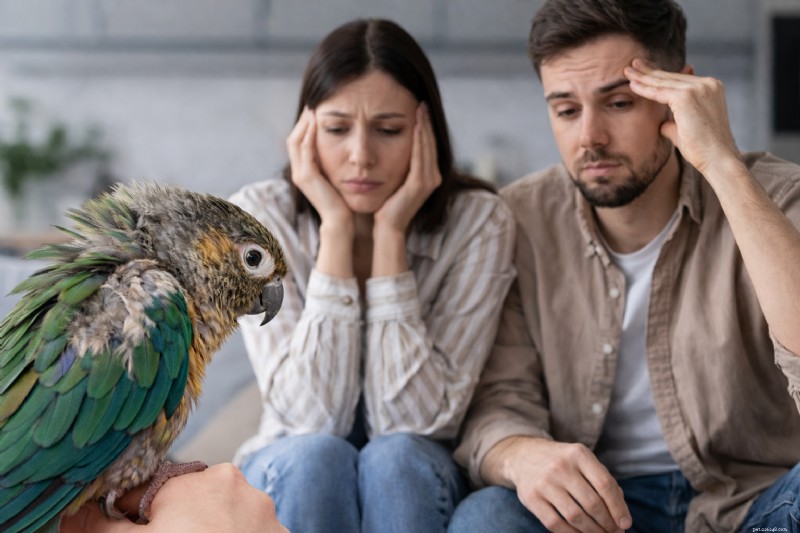
Just as a sick person needs rest, a bird undergoing molt needs a calm, supportive routine. Observe body language for clues: leaning, stiffening, or retreating during handling indicates stress.
- Watch how your bird reacts to routine sleep times—unexpected lights or noise can manifest as irritability or feather irritation later.
Why Noticing Stress Helps
Viewing self‑repair through a behavior‑study lens explains why chronic self‑injury occurs. Reducing day‑to‑day stress doesn’t magically mend feathers but improves the body’s readiness for new growth.
Supportive Self‑Care Rituals
- Consistent, nourishing meals give the body what it needs without mandating self‑stress.
- Gentle misting or bathing eases itchy skin while not being forceful.
- Reliable sleep routines provide essential recovery time.
Common Unintentional Stressors
- Trying to prop up mandibles by pin‑feather popping or excessive handling.
- Comforting a bird during anxiety inadvertently reinforces that state—reserve treats for calm, settled moments.
- Frequent routine changes while searching for a “fix.”
If any of these resonate, it doesn’t mean you’ve done anything wrong—just that you’re trying to help. Now you know how to give your bird a genuine breathing room.
Where Behavior Modification Fits
Behavior work follows after medical causes are eliminated. Rather than correcting feather behavior, focus on reinforcing natural mandarin activities—eating, bathing, chewing, exploring—to shift attention away from self‑preening.
Self‑care behaviors act as natural stress relief, propelling feather quality and overall wellbeing upward.
When to Call an Avian Professional
- Redness, sores, scabs, or bleeding on skin.
- Increasing feather loss despite time.
- Lethargy, appetite changes, or signs of pain.
- Weight loss or a keel bone that feels sharper or more prominent.
- Loss of interest in normal behaviors—eating, bathing, chewing, interacting.
- No improvement after a full feather growth cycle.
First Step: Avian Vet
If you observe any physical changes—weight loss, keel prominence, skin damage, low energy, appetite shifts—contact an avian veterinarian. Once medical causes are ruled out, a qualified bird behaviorist can address stress patterns and reinforce healthier coping behaviors.
Key Takeaway
With chronic feather and skin issues, timing and focus matter.
Support the body first—nutrition, rest, predictable routines. If problems persist or worsen, seek vet care. Only after eliminating medical causes should behavior support begin, focusing on reducing stress and encouraging natural parrot behaviors.
Related Articles
- Why Is My Bird Molting and Itching? Complete Feather & Skin Care Guide
- How to Help a Molting Bird Without Making Things Worse
- Why Seed Diets Fail Birds During Molt (and What to Do Instead)
- Pin Feathers Explained: When Molting Gets Itchy
- Is My Bird Plucking or Just Having a Rough Molt?
- Humidity, Bathing, and Molting: What Indoor Birds Actually Need
- Is Your Bird in a Constant Molt? What It Means
References
- Chen, M.-J., Xie, W.-Y., Jiang, S.-G., Wang, X.-Q., Yan, H.-C., & Gao, C.-Q. (2020). Molecular signaling and nutritional regulation in the context of poultry feather growth and regeneration. Frontiers in Physiology, 10, Article 1609. https://doi.org/10.3389/fphys.2019.01609
- Lightfoot, T. L. (2024, September). Skin and feather disorders of pet birds. In Merck Veterinary Manual. Merck & Co., Inc. https://www.merckvetmanual.com/bird-owners/disorders-and-diseases-of-birds/skin-and-feather-disorders-of-pet-birds
- Lucas, A. M., & Stettenheim, P. R. (1972). Avian anatomy: Integument (Agriculture Handbook No. 362). U.S. Department of Agriculture. https://naldc.nal.usda.gov/catalog/CAT87209099
- McGraw, K. J. (2006). Mechanics of carotenoid-based coloration. In G. E. Hill & K. J. McGraw (Eds.), Bird coloration, Vol. 1: Mechanisms and measurements (pp. 177–242). Harvard University Press.
- Stettenheim, P. R. (2000). The integumentary morphology of modern birds—An overview. American Zoologist, 40(4), 461–477. https://doi.org/10.1093/icb/40.4.461
Meet Diane Burroughs, LCSW – licensed psychotherapist, ABA‑trained behavior guru, and your go‑to expert for avian anxiety. Certified in Nutrition for Mental Health, Diane translates science into real‑world solutions for feathered friends. She’s the author of multiple bird behavior books, offers one‑on‑one consultations, and founded UnRuffledRx, a line of evidence‑based parrot wellness products that truly work.
Diane’s work has flown off shelves into avian vet clinics and bird stores nationwide, earning recognition in the Journal of Avian Medicine & Surgery and at Exoticscon. With 30+ years of experience, she has helped thousands of birds thrive, proving that happy birds make happy humans.
SHARING IS CARING! PLEASE SHARE ON YOUR FAVORITE SOCIAL MEDIA NOW!
- How to Safely Help a Thin Dog Reach a Healthy Weight
- Top 25 Bulldog Mixes: Find the Perfect Crossbreed Companion
- Slovensky Kopov: Slovakia’s Native Boar‑Hunting Hound
- Is Jicama Safe for Dogs? A Comprehensive Guide
- Host a Dog‑Friendly New Year’s Eve Bash: A Pet Owner’s Guide
- Safely Managing Corticosteroid Use in Dogs: A Veterinary Guide
- Meet Mr. Darcy: The Adorable Ragdoll Cat of the Week