

Top 5 Cat Eye Problems Every Owner Should Know
If you’re like me, you’ve spent countless hours staring deeply into your cat’s eyes. They’re hopefully clear and bright, with the exception of the occasional (healthy and normal) eye booger. But what if her eyes are cloudy, red, or oozy instead? Or if she’s suddenly pawing at her eyes, squinting, holding one eye shut, or blinking excessively?
Eye abnormalities can signal health issues. Even simple irritations can lead to infections. If left untreated, eye problems can become serious, sometimes even leading to surgery and blindness. Contagious illnesses can even put your other resident cats at risk.
Because of the potential for tragic consequences, always make an appointment with your veterinarian right away if you notice any of these signs. Quick diagnosis and treatment is the best way to minimize longterm damage.
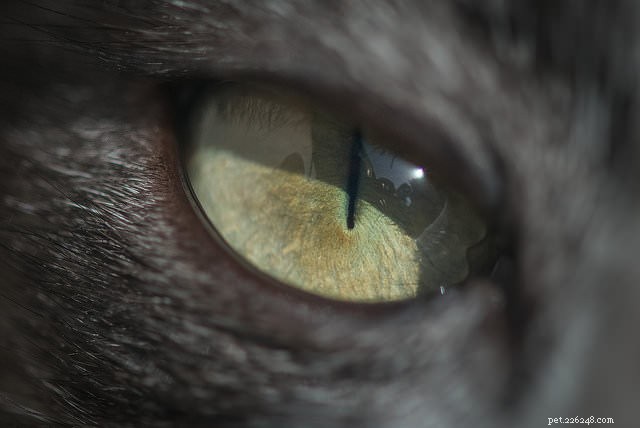
Scratches or Abrasions
Everything from a bent eyelash to dust can cause a scratch or abrasion on your cat’s cornea. If the scratch was caused by a foreign object, the irritator may even still be under her eyelid causing more damage. A scratch can very quickly turn into a more serious problems such as a corneal ulcer or keratitis.
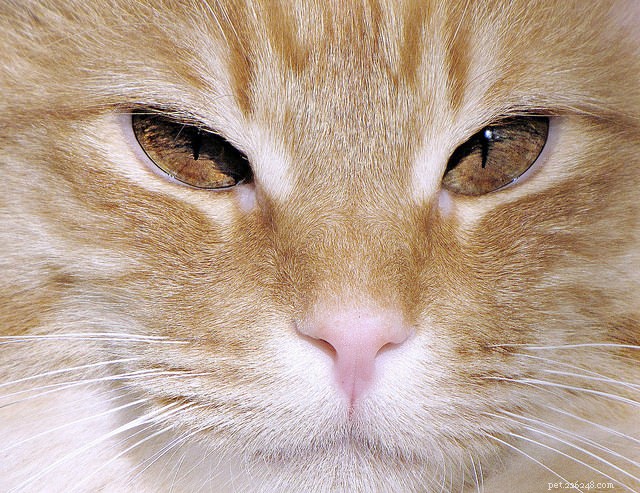
Discharge
“Discharge” is a broad term that covers any substance that exudes itself from your cat’s eye and comes in many forms such as (but not limited to) excessive tears, sticky mucus, and pus. Since its such a broad term, it can signal an equally broad amount of problems, in varying degrees of seriousness. Some of the most common triggers of eye discharge are allergies, conjunctivitis, feline herpes, and upper respiratory infections.
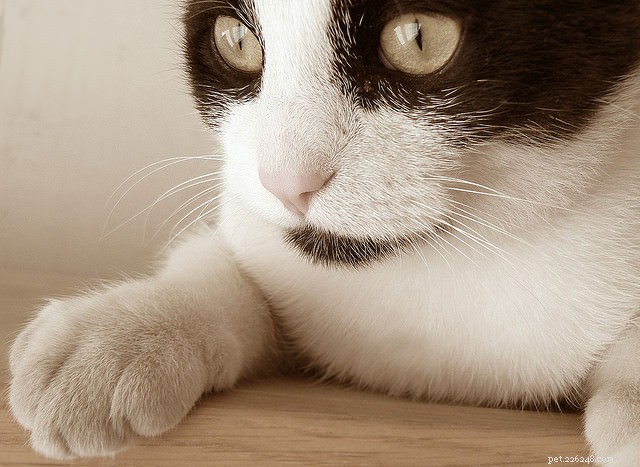
Redness
Pinkness or redness could be a sign that your cat’s eyes are irritated or inflamed. Redness may also indicate an excess of blood in her eyelids or eye blood vessels. Conjunctivitis, which is commonly called “pink eye”, is an obvious cause of pinkness. Redness and pinkness can also be caused by other problems such as glaucoma, orbital disease, or a hemorrhage.
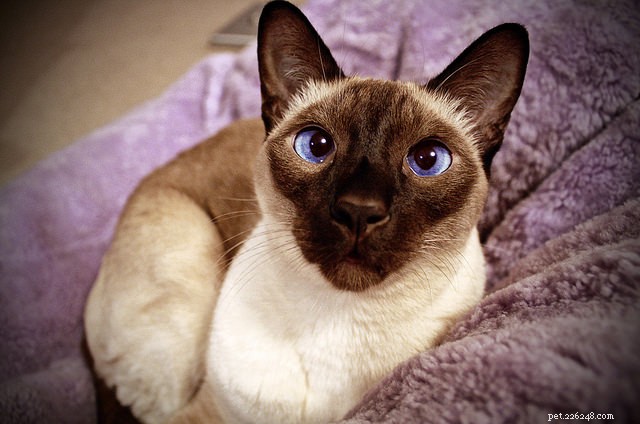
Itchiness
If our cat’s eyes are itchy you’ll probably notice that she is pawing at them or rubbing the front of her face on things as an attempt to scratch (don’t confuse this with when she rubs her cheeks on object to mark them with her happy pheromones). There are a lot of irritants that can cause her eyes to become itchy, including allergies, dust, dryness, and conjunctivitis.
Cloudiness
Many problems can cause your cat’s eye to appear cloudy or opaque such as corneal scarring, accumulated fluid, cataracts, or an ulcer. Cloudiness may sometimes affect her vision. If you suspect that your cat is having a hard time seeing (timid steps, jumpy, wide eyed, etc.) keep her safe in a smaller room with limited opportunities for accidental danger while you set up a veterinarian appointment.
- Pet Behavior
- Pet Breeds
- Pet Names
- Pet Adoption
- Pet Training
- Cat Stories
- Pet Health
- Adorable Pets
- Cats
- Essential Tips for New Cat Owners: 9 Must-Know Essentials
- Understanding Cat Conjunctivitis: Causes, Symptoms, and Effective Treatments
- Understanding and Managing Cat Hairballs: Prevention, Symptoms, and Treatment
- Everything You Need to Know About FIV (Feline AIDS) – Expert Care Guide
- Essential Guide to Cat Vaccinations: Protect Your Feline’s Health
- Bacterial Cat Eye Infections: Causes, Symptoms, and Care
- Understanding Cat Obesity: Causes, Risks, and Prevention