

Optimal Leopard Gecko Nutrition: Moving Beyond Crickets and Mealworms – Part 1
 The Leopard Gecko (Eublepharis macularius), a pet trade staple, is sometimes promoted as an easy-to-keep “starter-lizard” that requires little more than heat and some vitamin-powdered crickets. Those who follow this advice may keep their pet alive for a few years, and may even feel satisfied that they have provided it with a good life…similar to the mentality that doomed millions of Red-Eared Sliders to early deaths years ago. However, the Leopard Gecko’s captive lifespan should be measured in decades, not years – animals in their teens are common, and the record-breaker exceeds 30 years of age. Following are some tips to help you provide the best possible diet for your pet.
Natural vs. Captive Diets and Meal Frequency
In it’s native habitat (dry, rocky scrubland from NW India to Iraq), the Leopard Gecko consumes dozens of species of spiders, beetles, locusts, caterpillars, scorpions and other invertebrates, as well as the occasional lizard or nestling rodent. The key to keeping them healthy in captivity is dietary variety. Vitamin/mineral supplements are useful, but cannot take the place of a variety of well-fed invertebrates.
The Leopard Gecko is native to places where food availability varies widely, and it therefore processes and stores food effectively. This is a good survival strategy, but leaves them prone to obesity in captivity. Non-breeding adults in good weight require about 9 insects weekly (you’ll need to experiment a bit here, and females held for breeding should have ample fat deposits).
Their food should be divided into 3 weekly meals or more frequent but smaller offerings. Newly-hatched geckos can be fed daily, with meal frequency being decreased to every other day or so as they reach 1 year of age.
Ideal Captive Diets
While Leopard Geckos are relatively easy to keep (as lizards go), potential owners should understand that collecting, breeding or otherwise obtaining a proper diet takes time and effort – often as much as is required by all other aspects of the lizard’s care!
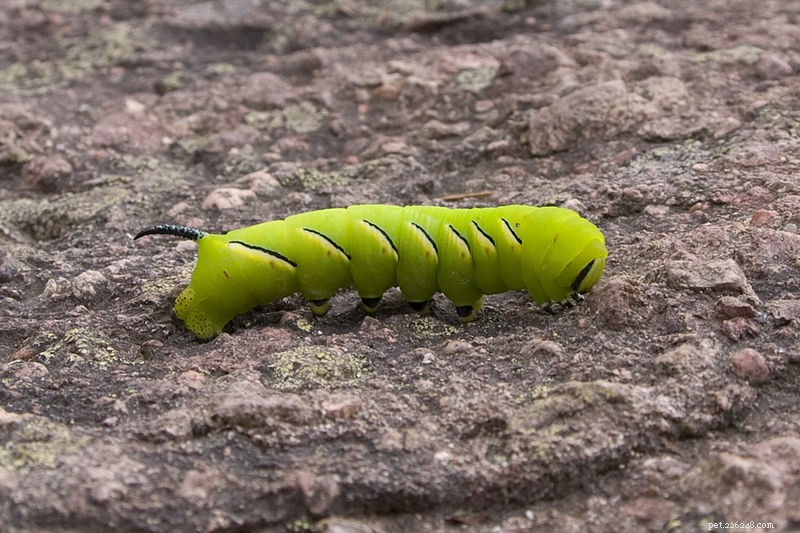 The main portion of their diet should not be crickets, but rather a well-balanced mix of roaches, crickets, mealworm beetles, sow bugs, butter worms, waxworms, wild-caught insects, silkworms and tomato hornworms (these last 2 available via internet dealers). I use super mealworms sparingly, and then only newly-molted (white) grubs. Insects offered to your pets should themselves be well-fed (please see articles below).
Adult geckos that are fed a varied diet require a vitamin/mineral supplement (Reptivite w/D3 works well http://www.thatpetplace.com/pet/prod/239543/product.web) once weekly. Growing youngsters have higher nutritional requirements…their diets should be supplemented 3-4 times weekly.
Canned Insects
Leopard Geckos are usually enthusiastic feeders, and take readily to tong or even hand feeding. Canned Grasshoppers and Silkworms should be used to increase dietary variety. Canned insects can also be rolled in Zoo Med’s Dried Flies to improve their nutritional value.
Next time we’ll cover 2 important Leopard Gecko “Do’s and Dont’s”: wild-caught insects and mice.
- What Constitutes a Natural Diet for Reptiles? Clearing Up Nutrition Myths
- Mastering Newt Care: Natural History & Captive Management – Part 1
- Optimal Leopard Gecko Nutrition: Moving Beyond Crickets and Mealworms – Part 1
- Advanced Leopard Gecko Nutrition: Beyond Crickets and Mealworms – Part 2
- Leopard Tortoise (Stigmochelys pardalis): A Comprehensive Overview – Part 1
- Leopard Tortoise Captive Care: Space, Lifespan & Commitment
- Day Geckos: Expert Care & Feeding Guide for Enthusiasts