

Advanced Leopard Gecko Nutrition: Beyond Crickets and Mealworms – Part 2
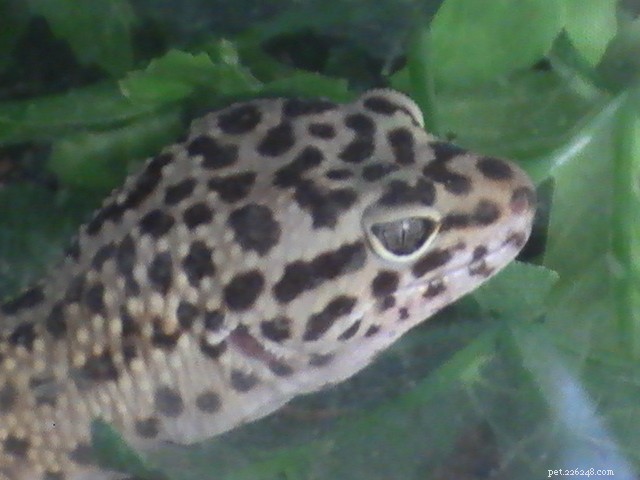 Please see Part I of this article for Leopard Gecko (Eublepharis macularius) feeding basics. Today we’ll cover 2 of the “finer points” you should keep in mind when feeding your pet.
Mice
Perhaps the biggest mistake pet keepers make regarding Leopard Geckos is to use pink mice as a regular food source. This is a bad idea and will eventually lead to eye, kidney and liver problems. While these aggressive predators certainly take the occasional rodent or lizard in the wild, research has shown that insects, spiders and other invertebrates form the vast majority of their natural diet. Their digestive systems are not designed to handle frequent rodent meals.
A pink mouse may be offered every 2-4 weeks to females being readied for mating, but they are otherwise unnecessary. Fuzzies and sub-adult mice should not be used, as hair impactions may result.
Collecting Insects for Your Gecko
Wild caught insects, collected from pesticide-free areas, should be offered whenever possible. Zoo Med’s Bug Napper is an excellent insect trap. Sweeping a net through tall grass and searching around outdoor lights will also yield a wide variety of tasty treats. Avoid using spiders, fireflies and stinging/brightly-colored insects, and do not collect during times when your area is being commercially sprayed for mosquito control.
Leopard Geckos relish katydids, grasshoppers, beetles of all types, moths, tree crickets, caterpillars and most everything else I come up with, and these form the bulk of my collection’s diet in the warmer months (and it gives me an excuse to run around with a butterfly net at this advanced age!).
- Beginner’s Guide: How to Feed Tarantulas Safely and Effectively
- Mastering Cricket Care: A Comprehensive Guide for Reptile Keepers
- What Constitutes a Natural Diet for Reptiles? Clearing Up Nutrition Myths
- Optimal Leopard Gecko Nutrition: Moving Beyond Crickets and Mealworms – Part 1
- Leopard Tortoise (Stigmochelys pardalis): A Comprehensive Overview – Part 1
- Day Geckos: Expert Care & Feeding Guide for Enthusiasts
- What Leopard Geckos Eat: A Complete Guide to Feeder Insects, Diet & Nutrition