

Fire Skink (Mochlus fernandi): Natural History & Expert Care Guide
In my opinion, the aptly-named Fire Skink, Mochlus (formerly Riopa) fernandi, is one of the most strikingly-colored and interesting of all lizards. It is not overly popular, due to a rather shy nature, and hence prices are very reasonable, especially for such a gorgeous animal. The challenge of creating a habitat where these forest-dwellers will feel comfortable enough to show themselves is well-worth taking, trust me.
Description
This glossy, 12-14 inch-long lizard is colored bright red with black and white stripes along the sides, and marked with a golden-brown back stripe; the legs are black and the tail is blue-black, speckled with blue.
Range
 The range spans Central Africa, from Guinea to Kenya and south to Angola.
Habitat
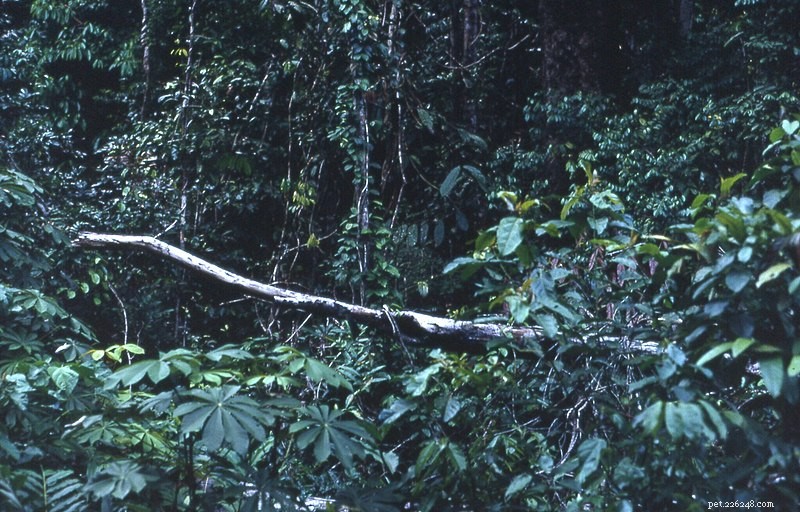
Fire Skinks favor rainforests, open woodlands and scrub along the edges of grasslands. They spend most of their time below leaf litter, but bask regularly.
Status
Largely unstudied – populations appear stable, but are likely impacted by de-forestation; the species is unprotected.
Reproduction
Little is known of the Fire Skink’s reproductive biology in the wild. Captives produce 4-9 eggs, which are buried in moist substrate and hatch in approximately 50 days. Males are territorial and fight if housed together.
Diet
Snails, spiders, centipedes, beetles, locusts and other invertebrates; fallen fruit, carrion, frogs, lizards; may take nestling rodents and other small mammals on occasion.
Captive Care
This lizard is extremely alert and high strung. It does well in captivity, but rarely allows close contact or even extended observation, and remains cautious even after years in confinement.
I’ve had my best results with terrariums of at least 55 gallons capacity (for 1-2 animals) and large zoo exhibits. If you spend time creating a complex, well-planted exhibit, you will eventually be rewarded by being able to view the skinks as they forage and bask. The sight of such brilliantly-colored reptiles moving about among thick stands of live plants makes the effort well worthwhile.
Captive longevity exceeds 20 years. I’ve bred Fire Skinks on several occasions; males and females usually coexist only during the breeding season.
- Mastering Newt Care: Natural History & Captive Management – Part 1
- Mudpuppy: Natural History & Care Guide – Part 1
- Painted Turtle Care & Natural History: Expert Tips for Owners
- Dwarf Chameleons: Expert Care Tips & Natural History Insights
- Softshell Turtles: Expert Care & Natural History Guide – Part 2
- Rhinoceros Iguana: Natural History, Care Guide, and Habitat Insights
- Trans-Pecos Ratsnake Care Guide: Natural History & Housing Tips – Part 2