

Venomous Snakebite: New Global Study Reveals 4.5M Annual Cases & Expert Insights
 As a career herpetologist, I’ve had several opportunities to study venomous snakes in the field, and have spoken with many people who live in areas where they are common. My experiences led me to believe that venomous snakebite is a far more serious problem than is typically reported. Recently, two important studies have established that at least 4.5 million people are bitten annually – 1.5 million in Sub-Saharan Africa alone. Yet snakebite was only recently included on the World Health Organization’s list of Neglected Tropical Conditions, and in many countries few victims receive appropriate treatment.
Africa
The most intensive study to date, published in the journal Toxicon (V.57, N.4; see abstract below), reviewed 40 years’ worth of African medical reports and surveys. The authors concluded that at least 1.5 million people, 95% of whom live in rural regions, are bitten in Sub-Saharan Africa annually. At least 7,000 people die as a result, and up to 14,000 require limb amputations. Antivenin, the most effective snakebite treatment, is administered to only 10% of those bitten in Africa.
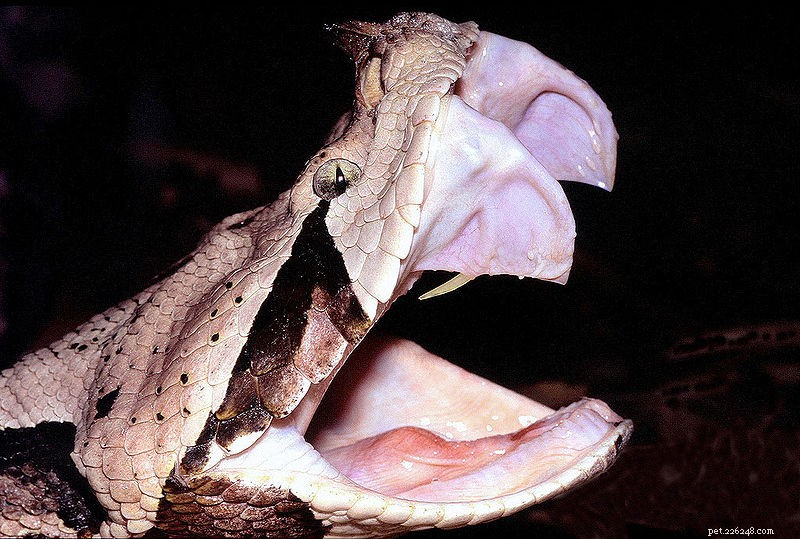
The Puff Adder, Bitis arietans and the Saw-scaled Viper, Echis carinatus, account for most of Africa’s envenomations.
Global Snakebite Initiative
Difficulties in accessing data, and the problem of un-reported incidents in remote areas, lead many to believe that the scope of the problem is even greater than suggested in the Toxicon report.
In 2008, the University of Melbourne’s Australian Venom Research Unit launched the Global Snakebite Initiative (please see below). This group’s research indicates that, worldwide, 4.5 million people are bitten by venomous snakes each year. Fatalities are likely in the range of 100,000, and 250,000+ victims suffer permanent disabilities.
Antivenin: Expense and Access
Antivenin is extremely expensive, and expires within 1-3 years. I had problems keeping adequate stock on hand even in well-funded US zoos. Import restrictions and difficulties in contacting antivenin suppliers complicate matters.
 Even within the last 5 years, when one would think that communication would be less of a problem, I’ve run into trouble. In one instance, after being frustrated by a 6 week delay and mounds of red tape, I asked a Thai friend to phone an antivenin lab in her native country and sort everything out. Her, shall we say, “strong personality”, did the trick!
In rural, often impoverished regions of Africa, India and Southeast Asia, expensive antivenin is simply not available to most snakebite victims. Yet it is in such places that the vast majority of bites occur.
Responding to Local Snakebites
In the USA, major zoos stock antivenin for staff use, and usually also respond to local emergencies. In my time with the Bronx Zoo, I responded to 10-12 local snakebites. Including bites handled by co-workers in that 21-year period, only one incident involved a person being bitten in the course of working outdoors (upstate NY); oddly, the culprit was the endangered Massasauga, Sistrurus catenatus.
Collection attempts and captive snakes were responsible for all other bites. Some of the incidents were “odd”, to say the least. One young man captured (illegally) a Copperhead and, while driving home (with his dog in the car), decided to determine its sex! He was bitten, of course, but recovered after treatment.
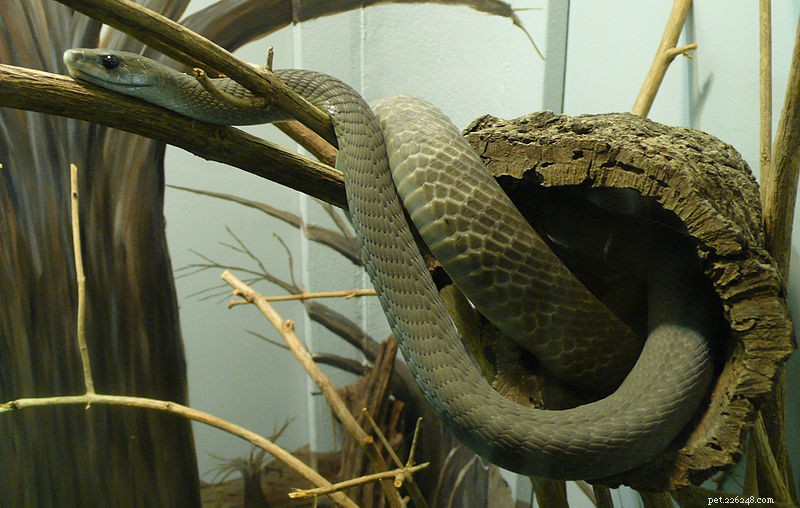 Another gentleman routinely carried Timber Rattlesnakes and other venomous species in the pocket of his bathrobe. Not surprisingly, he was bitten 4-5 times over the years. He once tried to “treat” a bite by grasping onto an electrified cattle-barrier fence during a rainstorm (in the mistaken belief that he could “de-nature” the venom).
Sprayed by a Venom-Spitting Rattlesnake!
Bites to zookeepers are quite rare, especially considering the number of snakes many handle while servicing exhibits.
Diamondback Rattlesnake venom was once sprayed into my eyes after a snake struck the screen top of its enclosure. Normally this is not a concern (and normally rattlers do not “spray” venom!) as only Spitting Cobra venom damages eye tissue. However, a recent cornea transplant put me at risk, as the stitches may have allowed the venom to enter my bloodstream. Fortunately, all went well.
- Groundbreaking Study Reveals Key Strategies for Recovering Lost Pets
- Study Spurs Movement Against Tail Docking and Ear Cropping in Dogs
- 2010 Amphibian Breakthroughs: New Species, Revived Extinct Finds & Insightful Discoveries – Part 1
- Venomous Snakebites: Expert Responder Shares Real-World Experiences and Notable Cases
- New Research Reveals Venomous Pythons: Implications for Snakebite Victims
- Reptile Research: Breakthrough Findings on Snake Vision
- Coral Snakes: Vividly Banded, Deadly Venom—What You Need to Know