

Protecting U.S. Reptiles & Amphibians: Why Hobbyists & Federal Action Matter
Over 200 species of amphibians have become extinct in the last 30 years, a crisis looms for Asian turtles, and recent studies suggest global declines in snake and lizard populations (please see this article). Conservationists in the USA should feel somewhat optimistic about native species, because the Endangered Species Act (ESA) has prevented the extinctions of 99.9% of the species listed. But the “listing” process leaves much to be desired. Many reptiles and amphibians that are eligible for protection under the ESA languish on waiting lists…for over 30 years in the case of some, such as the Dune Sagebrush Lizard! Shockingly, at least 42 other native species became extinct during that same period!
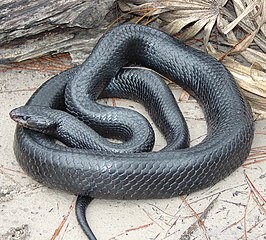
Uploaded to Wikipedia Commons by Arjuno3
Private reptile and amphibian keepers can also play a role in conservation. Whether through breeding, volunteering or following a career in herpetology, there is much that we can do. Please see the articles linked below (Further Reading) for detailed information.
Can Private Herp Keepers Help?
I recently highlighted the plight of the Austin Blind Salamander and 11 other rare US amphibians that remain unprotected (please see this article). A new report released by the Center for Biological Diversity identifies 10 other native reptiles and amphibians that are in dire straits. From the unstudied Peaks of Otter Salamander to the beloved (but not “beloved enough, apparently!) Eastern Gopher Tortoise, all face imminent extinction if swift action is not taken.
Their future should not be left to professional herpetologists…hobbyists can help by breeding those that are legally in their collections or by working with related species in an effort to understand their needs. You can also help by volunteering in herp conservation projects or, if you are as fortunate as I, by becoming a herpetologist; please see the articles linked below for further information on these topics, and post below if you’d like more information on careers in herpetology.
Eastern Gopher Tortoise
Am I alone in being startled by the fact that this well-known tortoise remains unprotected by the Endangered Species Act? After all, many Floridians go out of their way to help this highly-visible symbol of the Long Leaf Pine ecosystem, and volumes have been written about its ecology and conservation needs.
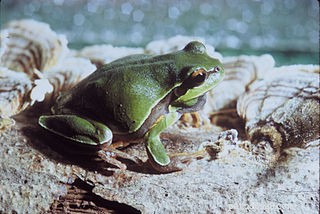
Uploaded to Wikipedia Commons by R. Tuck
I’ve been involved in several state-sponsored relocation efforts, and had assumed that federal protection was in place. Some 360 species utilize Gopher Tortoise dens to varying degrees. Some, such as the Indigo Snake, Gopher Frog, Burrowing Owl, and Diamondback Rattlesnake, are also threatened. Certain populations of these and others even depend upon tortoise burrows for their survival. The Gopher Tortoise’s western population was listed on the ESA in 1987, but those in the east have not been…odd (or perhaps not?!) given the pace of development in Florida, the heart of their range.
Louisiana Pine Snake
Likely extinct in Texas, this snake just barely holds on in a Louisiana’s fragile Longleaf Pine forests. In addition to inhabiting a threatened ecosystem, the Louisiana Pine Snake relies primarily on a single species – the Pocket Gopher – for food, and shelters within this rodent’s burrows. Researchers estimate that as few as 100 individuals remain in the wild. It is “scheduled” for ESA protection in 2014.
Eastern Hellbender
Despite long experience with a variety of amphibian oddities, my first encounter with an Eastern Hellbender was a shocker. The heaviest of our native amphibians, this 2 foot-long aquatic creature is related to the massive Chinese and Japanese Giant Salamanders.
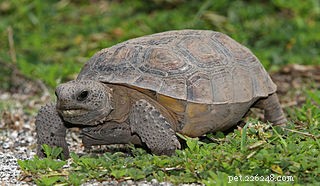
Uploaded to Wikipedia Commons by Tomfriedel
Pollution and dam construction have greatly reduced its range and numbers. The closely-related Ozark Hellbender was given ESA protection in October of 2011. Other rare but unprotected native amphibians include the Sierra Nevada Yellow-Legged Frog and the Boreal Toad.
Dune Sagebrush Lizard
This lizard is found only in the unique Dune-Shinnery Oak Ecosystem of West Texas and Southeastern New Mexico. Within this extremely limited range, home also to at least 14 endemic insect species, it is threatened by oil and gas exploration and cattle ranching. It has long been considered for ESA protection…for the past 30 years, in fact!
The Florida Keys Mole Skink, equally at risk, also lacks ESA protection. Please see this article for further information on lizard conservation.
Western Pond Turtle
Once common along the west coast of the USA and into Baja, Mexico, this attractive turtle has now been largely extirpated from Washington and Oregon, and is in trouble elsewhere. The populations that remain in those states are tiny – perhaps 1% of their former size in many cases.
The Western Pond Turtle faces wetland loss, irrigation projects and a respiratory disease epidemic, and egg studies show concentrations of heavy metals, PCB’s and pesticides. Several states protect the species, but not its habitat.
- Licensed Wildlife Rehabilitators: Expert Care for Injured Amphibians & Reptiles
- The Essential Role of Houseflies and Maggots in Reptile, Amphibian, and Invertebrate Nutrition
- The Ultimate Guide to Selecting the Perfect Substrate for Reptiles, Amphibians & Invertebrates – Part 1
- Amphipods: Essential Calcium‑Rich Food for Amphibians & Reptiles
- The Crucial Role of Insects & Invertebrates – Why Their Survival Matters
- Reptiles, Amphibians and Tarantulas Ranked Among the World’s 100 Rarest Species
- Why Earwigs Are a Nutritious, Low‑Risk Food Choice for Pet Reptiles and Amphibians