

Sidewinder Snake: How Its Unique Scales and Sidewinding Locomotion Conquer Desert Sand
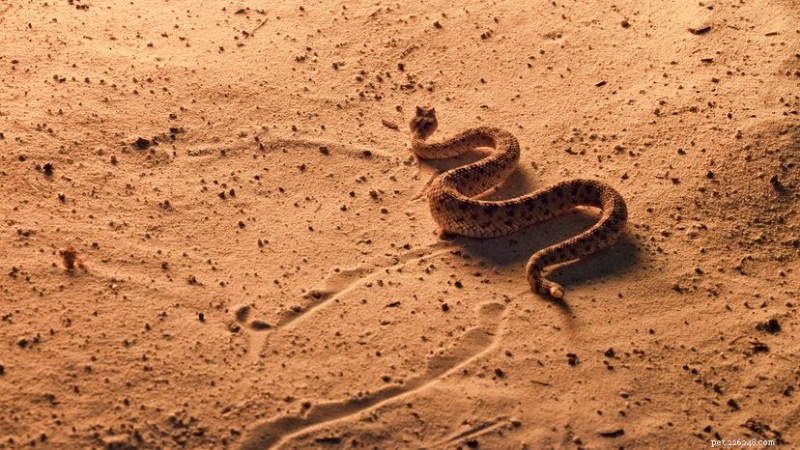
The sidewinder rattlesnake (Crotalus cerastes) is a master of the hottest deserts on Earth. With a body length of 18 to 30 inches (46–76 cm), its muted beige, light brown, or gray scales blend seamlessly into sandy terrain. Keeled scales run along its belly, providing traction on loose sand, while the snake’s eyes sit on raised ridges that shield them from blowing grit—giving the snake a distinctive, almost horned appearance.
Physical Traits That Enable Desert Dominance
Sidewinders are renowned for their sidewinding gait—a unique, S‑shaped motion that lets them glide across shifting sand at speeds up to 20 mph (32 km/h). Scientists believe this technique reduces friction and heat buildup on the snake’s belly, allowing it to traverse vast dunes without sinking.
Venom and Threat Level
Although the sidewinder’s venom is less potent than many North American rattlesnakes, it remains a significant medical risk. The venom effectively immobilizes small mammals and reptiles, and bites should always prompt immediate medical attention.
Distribution and Taxonomy
These snakes are found from the southwestern United States—particularly the Mojave and Sonoran deserts—to North Africa and the Middle East. Eastern populations, sometimes called desert adders, are more distantly related to typical pit vipers. The species’ adaptability allows it to thrive in sandy washes, dunes, and loose slopes.
Behavioral Ecology
Sidewinders are primarily nocturnal, burying themselves in sand during the day with only their eyes visible. This behavior keeps them cool and camouflaged. They are solitary outside of mating season, which typically occurs in spring or early summer. During this brief period, males and females may encounter each other for reproduction.
Diet and Hunting Strategy
As ambush predators, sidewinders feed mainly on desert rodents such as kangaroo rats. Their excellent camouflage allows them to wait undetected for prey to pass. When a target is within striking distance, the snake delivers a venomous bite that quickly incapacitates the animal, after which it swallows the meal whole.
Reproduction and Life Cycle
Sidewinders are ovoviviparous; females carry eggs internally until they hatch, giving birth to fully formed, independent young. The newborns immediately begin hunting and are ready to survive on their own. They reach sexual maturity within a few years, ensuring a stable population cycle in the harsh desert environment.
Conservation Status
While not currently classified as endangered, sidewinders face threats from habitat destruction and urban expansion. Their resilience in extreme conditions, however, has allowed them to maintain robust populations. Some zoos, such as Zoo Atlanta, keep sidewinders in captivity for educational purposes, highlighting their ecological role in controlling rodent populations.
Our article was created with AI assistance and then meticulously edited and fact‑checked by a HowStuffWorks editor to ensure accuracy and reliability.
- Farewell to My Loyal Friend Frankie: A Heartfelt Tribute
- Do Cats Recognize They've Been Neutered? Expert Insights
- Top 5 Causes of Cat Shaking and How to Address Them
- Why Dachshunds Dig in Their Beds: Understanding the Habit
- Samoyed Traits: Temperament, Care, and Apartment Living
- How to Assess Your Bird’s Body Condition for Optimal Health
- Water Bowl vs. Bottle Feeder: Choosing the Best Hydration for Your Rabbits