

5 Black‑and‑Yellow Snakes You Should Know About
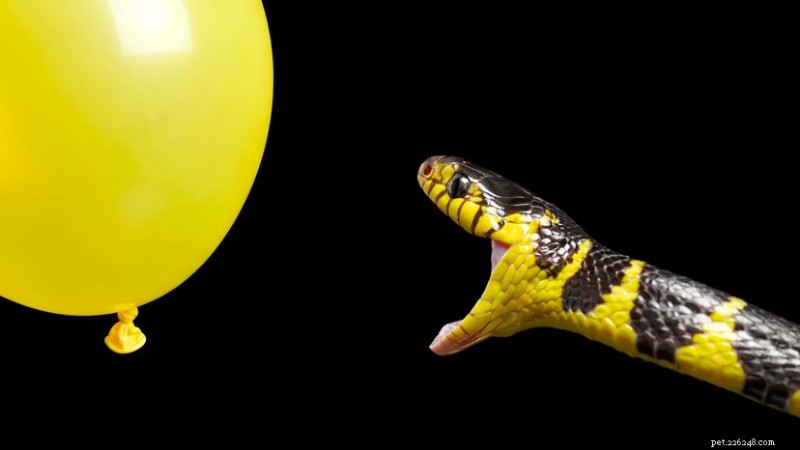
In the wild, striking black‑and‑yellow patterns often signal danger. Yet, many snakes flaunt this palette without posing a threat to humans. Below, we profile five such species, ranging from harmless garden helpers to formidable venomous hunters.
Expert Tip: A triangular head with a pronounced neck (spade‑shaped) usually indicates a venomous species. Always observe a snake’s head shape and behavior before approaching.
1. Garter Snake
The garter snake (Thamnophis spp.) is ubiquitous across North America, thriving in backyards, creeks, and ponds. Its signature two yellow stripes on a dark body make it easy to spot. Nonvenomous and beneficial, it helps control insect and amphibian populations.
2. Mangrove Snake (Gold‑Ringed Cat Snake)
The mangrove snake (Boiga dendrophila) is a mildly venomous, tree‑dwelling species found in Southeast Asia. Its black body is accentuated by bright yellow rings. While its venom can subdue small birds and mammals, it rarely poses a risk to humans. The snake’s arboreal agility makes it a skilled hunter.
3. Cat‑Eyed Snake
A nocturnal predator, the cat‑eyed snake (Boiga dendrophila) uses its large, cat‑like eyes to navigate dark environments. Juveniles display bold black‑and‑yellow patterns, while adults transition to muted brown tones. Though mildly venomous, it poses little danger to humans and primarily feeds on amphibians and small reptiles.
4. Black Rat Snake
The black rat snake (Pantherophis obsoletus) typically sports a sleek black body with faint yellow markings in some subspecies. Nonvenomous, it excels at controlling rodent populations, often inhabiting barns, fields, and gardens. Its powerful constriction makes it an effective predator of mice, birds, and other small mammals.
5. Pit Viper
Pit vipers, such as the Wagler’s pit viper (Tropidolaemus wagleri), are among the world’s most potent venomous snakes. While not all display black‑and‑yellow coloration, many do. Equipped with heat‑sensing pits between the eyes and nostrils, they hunt warm‑blooded prey even in darkness. Their venom is highly toxic and can be fatal without prompt medical treatment.
Black, Yellow, and Red‑Band Snakes
1. Coral Snake
Coral snakes (Micrurus spp.) are venomous and possess a striking pattern of red, black, and yellow bands. Their neurotoxic venom can incapacitate prey and poses a serious risk to humans. The Texas coral snake, for instance, is found in the southern United States and warrants careful avoidance.
2. Milk Snake
Milk snakes (Lampropeltis triangulum) feature red, black, and white or yellow bands. Despite their resemblance to coral snakes, they are nonvenomous. Their name derives from a folk tale that they once drank milk from cows. These snakes help control rodent populations and are harmless to humans.
3. Scarlet King Snake
The scarlet king snake (Lampropeltis elapsoides) mimics the coral snake’s coloration with red, black, and yellow bands. Nonvenomous, it relies on its deceptive appearance to deter predators. It hunts lizards, frogs, and other small creatures.
We created this article using AI technology and subsequently had it edited and fact‑checked by a HowStuffWorks editor to ensure accuracy and reliability.
- Munchkin Cats: Characteristics, Care, and Common Misconceptions
- After-Operative Care: Essential Products for Your Pet’s Recovery
- Gerbils vs. Hamsters: A Clear Guide for Prospective Pet Owners
- Understanding Feline Pica: Causes, Risks, and Effective Treatments
- Millie – The Heartwarming Ragdoll of the Week
- Train Your Dog to Play: Expert Tips for Engaging, Fun, and Safe Play Sessions
- Black Mouth Cur: Loyal, Agile, and Powerful Hunting Companion