

Who Hunts Snakes? The Diverse List of Natural Predators
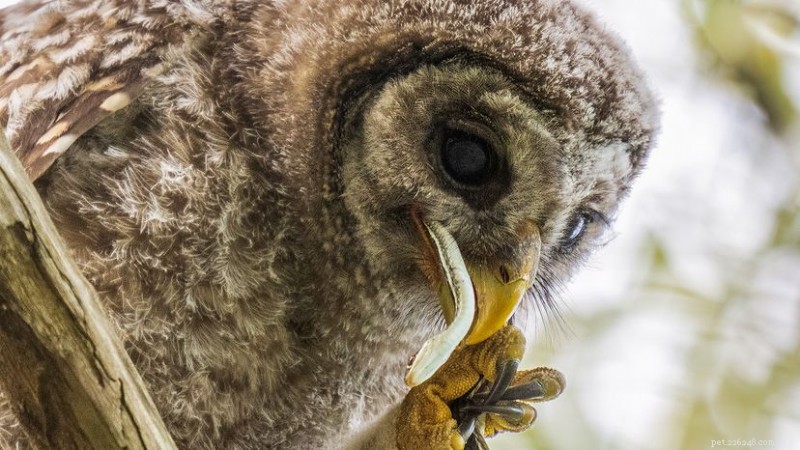
Snakes are skilled hunters, but they do not sit at the top of the food chain. In the wild, a wide array of birds, mammals, and even other snakes actively hunt and consume them for nutrition. Understanding who eats snakes—and how they do it—offers insight into ecological balance and the evolutionary arms race between predator and prey.
6 Natural Predators of Snakes
Here are the most common and effective snake predators that help keep populations in check:
- Great Horned Owl: These powerful raptors use their razor‑sharp talons to snatch snakes from the ground and kill them quickly before eating.
- Mongoose: A fearless mammal known for its agility, the mongoose can take on even venomous species. Its quick strikes and specialized teeth allow it to neutralize venom before consuming the prey.
- Foxes: Opportunistic feeders, foxes will add snakes to their diet when the chance presents itself, often targeting smaller, vulnerable individuals.
- Raccoons: With a varied diet, raccoons will opportunistically eat snakes, especially when other food sources are scarce.
- Big Cats: Jaguars, leopards, and other large felids prey on snakes, using stealth and strength to deliver a swift kill.
- Other Snakes: Some species are cannibalistic. Rattlesnakes, Eastern Indigo snakes, and banded kraits have been documented preying on conspecifics or closely related species.
How Animals Can Eat Venomous Snakes Without Getting Sick
Several predators have evolved strategies or physiological traits that allow them to safely consume venomous snakes:
- Mongoose resistance: Their skin and immune system can neutralize many snake toxins, enabling them to tackle cobras and other venomous species.
- Speed and precision: Birds of prey strike quickly, targeting the head or neck to kill the snake before it can bite.
- Size advantage: Predators that feed on juveniles or smaller snakes may encounter lower venom doses, reducing risk.
How Humans Have Historically Consumed Snakes
Snake meat has long been a culinary resource in cultures where snakes are abundant. In parts of Asia, sea snake is prized for its texture and flavor, while rattlesnake meat is a regional specialty in the American Southwest. Cooking methods vary—from stews and soups to grilling and frying—leveraging the lean, protein‑rich nature of snake flesh. Traditional dishes such as rattlesnake jerky and snake soup demonstrate how humans have adapted to utilize local wildlife responsibly.
All information in this article was reviewed and fact‑checked by a HowStuffWorks editor, ensuring accuracy and reliability.
- Foster Mom Teaches Cats to Use Talking Buttons, A Proven Dog Tool, to Find Forever Homes
- Understanding Freeze‑Dried, Dehydrated, and Raw Foods: Key Differences for Pet Owners
- How to Delight Your Dog’s Taste Buds: A Nutrient‑Rich Guide
- Turtle Intelligence Unveiled: What You Need to Know
- Understanding Your Dog's House Messes: Why They Matter and How to Respond
- Xuquan, Founder of QQPets, Featured on CCTV's Influential People
- Preventing Foreign Body Ingestion in Dogs: Risks, Symptoms, and Care