

Does Hawaii Have Snakes? A Closer Look at the Islands’ Serpent Status
While the tropical allure of Hawaii conjures images of lush forests and crystal waters, the question of whether the islands harbor snakes often sparks curiosity. The reality is nuanced—Hawaii has no native snake species, but occasional non‑native encounters do occur.
Hawaii’s Snake Status
Thanks to rigorous biosecurity protocols, the Aloha State remains free of indigenous snakes. The isolated geography of the islands—separated from continental landmasses by thousands of miles—has prevented natural snake migration. Consequently, Hawaii’s delicate ecosystems have evolved without these predators.
Nevertheless, the state occasionally reports escaped or smuggled snakes. Hawaii enforces strict penalties—fines up to $200,000 and up to three years in prison—to deter such introductions. Only zoos and accredited research facilities may keep snakes under controlled conditions.
Why Hawaii Is Snake‑Free
Hawaii’s volcanic origins and isolation mean that suitable prey for snakes, such as small mammals and reptiles, were historically scarce. Without these food sources, even if a snake arrived, it would struggle to establish a population. This lack of natural predators has shaped the islands’ unique biodiversity.
The lone exception is the yellow‑bellied sea snake (Pelamis platura), a marine species that occasionally drifts into Hawaiian waters. While harmless to land wildlife, its presence underscores the importance of vigilant monitoring.
The Threat of Invasive Species
Two invasive snakes pose the greatest risk to Hawaii’s ecosystems:
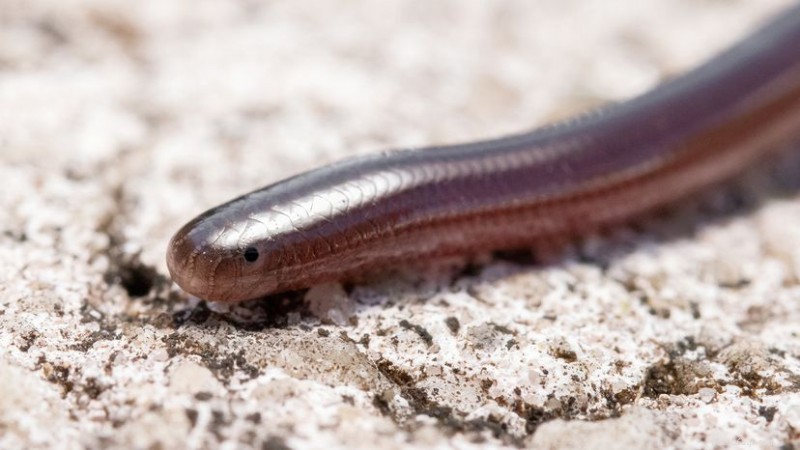
- Brahminy blind snake (Indotyphlops braminus): Often introduced via imported plants, it is harmless to humans but can disturb native invertebrate communities.
- Brown tree snake (Boiga irregularis): Though not yet established in Hawaii, this highly invasive predator devastated Guam’s native birds after accidental introduction in 1944. Capable of reaching 10 feet (3 m) and adept at climbing, it would threaten many of Hawaii’s vulnerable species if it ever arrived.
Anti‑Snake Legislation in Hawaii
Owning, transporting, or importing snakes into Hawaii is illegal. Violators face severe penalties, including fines up to $200,000 and imprisonment of up to three years. The state operates a hotline for reporting sightings and conducts rigorous inspections at ports, airports, and shipping facilities to prevent introductions.
Exceptions are limited to licensed zoos and research institutions, where snakes are kept in secure enclosures. The Hawaii Department of Agriculture also runs programs to mitigate potential brown tree snake incursions.
Conservation Efforts
The Hawaii Department of Agriculture (HDOA) spearheads prevention initiatives, enforcing strict import regulations and monitoring entry points. Public education campaigns raise awareness among residents and visitors about the risks of invasive reptiles.
The Snake Amnesty Program allows residents to surrender illegal snakes without facing penalties; many are transferred to the Honolulu Zoo or other secure facilities. Additional biosecurity measures, such as port and airport inspections, are in place to block new introductions.
Recent Incidents and Sightings
Recent reports highlight the occasional presence of non‑native snakes:
- In July 2024, a yellow‑bellied sea snake washed ashore at Waimanalo Beach. Waikiki Aquarium experts confirmed the species, attributing the event to strong tides and winds.
- In April 2024, a 3.5‑foot (≈1 m) ball python was found in a Waipahu residence during a police wellness check and subsequently confiscated by the HDOA.
- In March 2019, a 5.5‑foot (≈1.5 m) boa constrictor was seized near Kunia Road by a farmworker and the HDOA. Although non‑venomous, boas can grow up to 12 feet (3.6 m) and pose significant ecological threats.
All information presented has been fact‑checked by a HowStuffWorks editor, ensuring accuracy and reliability.
- DIY Pumpkin Dog Treats: Healthy, Homemade Recipes for Your Pup
- Is it Safe to Pet Cats During Pregnancy?
- 5 Expert Strategies to Safely Help Your Cat Lose Weight
- Comprehensive Guide to Turtles & Tortoises Care
- Summer Pet Safety: Expert Tips to Keep Your Furry Friends Cool & Safe
- Understanding Snake Shedding: Tips for a Stress‑Free Process
- Calming Your Cat: Proven Tips & Expert Advice