

Chicken Snakes: Beneficial Pest Controllers or Farm Threats?
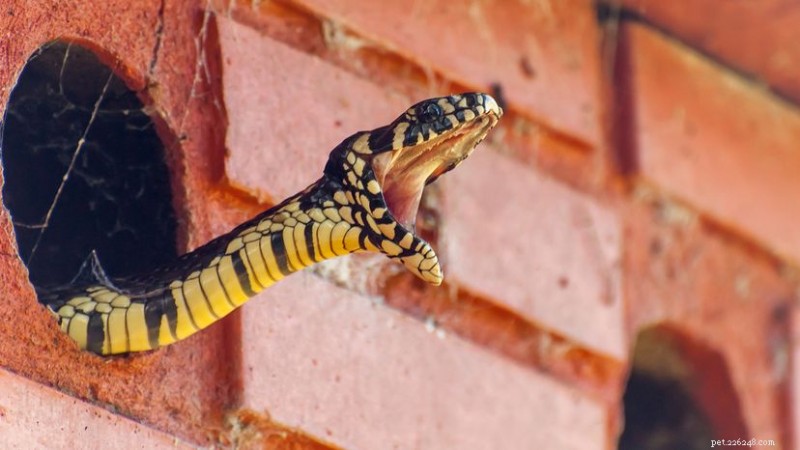
Chicken snakes—primarily the yellow rat snake (Spilotes pullatus)—are large, nonvenomous reptiles that can reach nearly nine feet (2.7 meters). Their tan or brown bodies are marked with irregular black crossbands or dark gray blotches, and some individuals display yellow spots that help differentiate them from other rat snake species.
What Chicken Snakes Look Like
These snakes use their coloration for camouflage, blending seamlessly into forest floors, gardens, and rural landscapes. Their robust build and length give them a commanding presence in any habitat they occupy.
Habitat and Distribution
Chicken snakes thrive in a range of environments—from rural farmlands and suburban backyards to wetlands and wooded areas. They favor places that provide both shelter and abundant prey, such as small mammals, birds, amphibians, and reptiles. Their range extends throughout the Americas, from southern Mexico through Central America, across central South America, and into parts of the Caribbean. In the United States, they are most commonly found in Texas, Florida, and other southern states, where they populate woods, gardens, and rocky outcrops.
Life Cycle and Reproduction
As oviparous reptiles, female chicken snakes lay clutches of approximately two dozen eggs. They carefully conceal these eggs under rocks or in loose soil to protect them from predators. Incubation temperatures influence sex ratios—warmer nests tend to produce more males, cooler ones more females. Eggs hatch after roughly two months, and hatchlings are immediately independent, although vulnerable. Over time, they molt several times, shedding skin and developing adult features. With proper care, these snakes can live 20 years or more.
Predatory Behavior
Chicken snakes are opportunistic feeders. They are notorious for raiding chicken coops in search of eggs, young chickens, and rodents. In the wild, they hunt by ambushing prey among rocks, trees, or debris, then constricting or swallowing their catch whole. Their diet is diverse, including rats, mice, chipmunks, lizards, and occasionally larger birds.
Interaction with Humans
Farmers often view chicken snakes with ambivalence: they can steal eggs and harm poultry, yet they play a critical role in controlling rodent populations that threaten crops and livestock. Because of their size and dietary habits, they are rarely kept as pets. When encountered in the field, chicken snakes typically freeze or flee; they bite only if they feel cornered. Respectful distance is the best practice for coexistence.
We created this article using AI technology and subsequently had it reviewed and fact‑checked by a HowStuffWorks editor.
- How Pets Help Kids Beat Obesity & Allergies: New Alberta Study
- Ultimate Review: Best Shot Ultra Wash – Premium Dog & Cat Shampoo
- 13 Dog Behaviors That Trainers Publicly Discuss
- Effective Treatments for Common Cat Illnesses: A Vet’s Guide
- How Quickly Do Dogs Digest Food? An Expert Guide to Canine Digestion and Eating Habits
- Transform Your Home Office with a Custom Pet Portrait: Boost Productivity & Personal Touch
- Can Rabbits Safely Eat Straw? A Practical Guide for Concerned Owners