

The Snakehead Fish: A Resilient Invasive Predator
The Snakehead Fish: A Resilient Invasive Predator
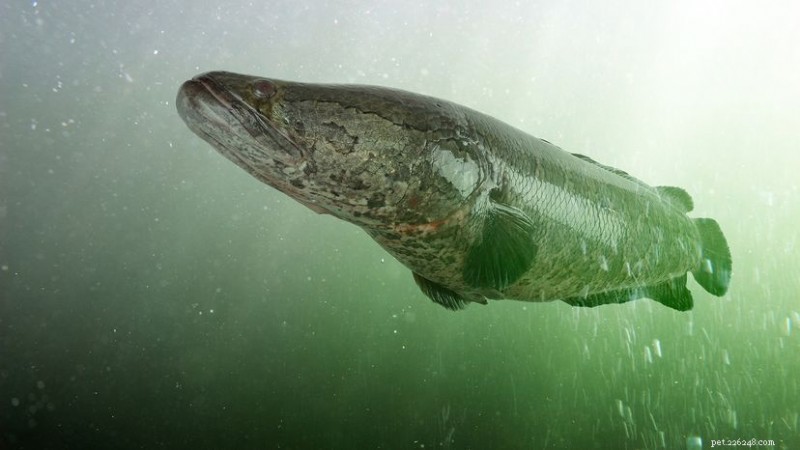
In this article we explore the biology, behavior, and ecological impact of the northern snakehead (Channa argus), a species native to East Asia that has become one of the most problematic invasive fish in North America.
Physical Characteristics
Snakeheads are unmistakable with their elongated, cylindrical bodies that can reach up to 3 feet (≈0.9 m), mottled brown‑green‑black scales, and a long dorsal fin that extends along most of their back. Their large mouths are lined with sharp teeth, making them efficient predators.
Air Breathing and Terrestrial Travel
Unlike most fish, the snakehead possesses a suprabranchial chamber that allows it to gulp atmospheric oxygen. This adaptation lets it survive out of water for up to four days and travel up to a quarter mile on land, seeking new water bodies.
Habitat Preferences
In its native range the species inhabits slow‑moving or stagnant waters—rivers, lakes, swamps, and rice paddies. As an invader it thrives in ponds, reservoirs, and even urban waterways, tolerating low oxygen and high temperatures.
Invasive Status in the United States
Channa argus is listed as an injurious species in many U.S. states. Import, transport, and sale are strictly regulated; possession or release is illegal in several jurisdictions. The fish has established populations from Florida to New York and as far west as Missouri, where it competes with native bowfin, bass, and other fish for food and habitat.
Behavior and Social Habits
Northern snakeheads are largely solitary and highly territorial, especially during breeding. They aggressively defend their nests and will chase away or attack other fish that encroach on their domain.
Diet and Predatory Impact
As obligate carnivores they consume fish, crustaceans, insects, and small amphibians. Their voracious appetite can reduce native fish populations and alter aquatic food webs.
Reproduction and Parental Care
Females lay thousands of eggs in shallow‑water nests. Both parents guard the eggs and fry with intense vigilance, a rare strategy that boosts juvenile survival and accelerates population growth.
Management and Conservation Efforts
Control measures include targeted removal, habitat modification, and public education. Despite these efforts, the snakehead’s adaptability and resilience make eradication difficult, underscoring the need for continued research and collaboration among scientists, wildlife managers, and anglers.
For more information, consult resources from the U.S. Fish & Wildlife Service, the North American Association of Fish & Wildlife Management, and peer‑reviewed journals such as Journal of Aquatic Animal Health.
- Dog Grooming Clippers vs. Human Hair Clippers: Which Is Best for Your Pet?
- Urban Crows: Smart, Bold, and Adaptable
- 110+ Pomeranian Dog Names with Meanings – Choose the Ideal Name for Your Pom
- Keep Your Cat’s Water Bowl Separate From Food: Expert Advice
- Dog Ulcers Explained: Symptoms, Causes, Diagnosis & Effective Treatments
- How to Safeguard Your Dog from Alabama Rot: Expert Tips & Prevention
- Optimal Timing to Spay or Neuter Your Boston Terrier: Vet‑Approved Guide