

Carpet Python (Morelia spilota): Subspecies, Habits, and Conservation
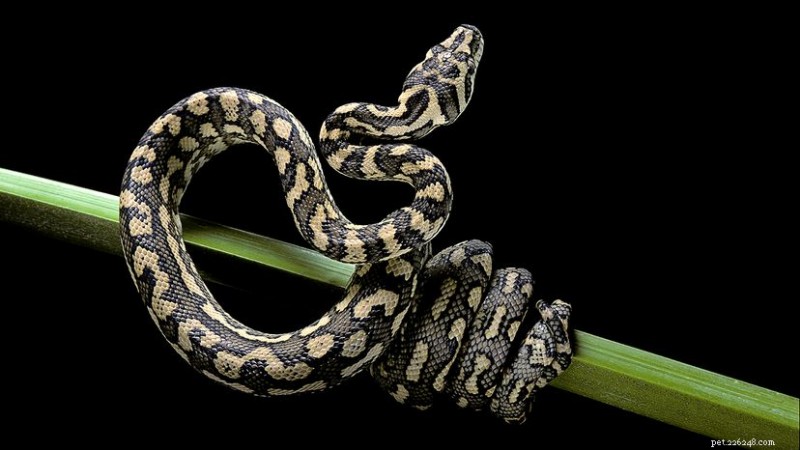
Carpet snakes, scientifically known as Morelia spilota, are among the most widespread and adaptable pythons in Australia and parts of New Guinea. These non‑venomous reptiles are celebrated for their striking patterning and impressive size, with adults reaching up to 13 ft (4 m). Although they can appear intimidating, carpet pythons are generally shy around humans and rarely pose a threat unless provoked.
Physical Characteristics
Carpet pythons are robust, medium‑to‑large snakes that average 6–13 ft (2–4 m) in length. Their coloration ranges from muted browns and yellows to vibrant greens and blacks, often featuring dark bands or diamond‑shaped markings that provide excellent camouflage in diverse habitats. Despite their size, they are agile climbers and proficient swimmers.
Subspecies Overview
Diamond Python (Morelia spilota spilota)
Found primarily in the cooler coastal regions of New South Wales, the diamond python is one of the largest subspecies, typically measuring 6–9 ft (2–3 m). They are nocturnal hunters and are rarely seen during the day.
Jungle Carpet Python (Morelia spilota cheynei)
Native to northern Queensland’s rainforests, this subspecies is known for its vivid yellow and black cross‑bands. It usually grows 5–7 ft (1.5–2.1 m).
New Guinea Carpet Python (Morelia spilota variegata)
Inhabiting the forests and savannas of New Guinea and northern Australia, this subspecies displays a wide array of colors and patterns adapted to its environment.
Behavior and Ecology
Carpet pythons are primarily solitary, meeting only during the breeding season. They are nocturnal, but occasional daytime basking is observed. Their calm demeanor belies a powerful constricting ability, making them effective predators of small mammals, birds, and occasionally reptiles.
In suburban areas, they play a beneficial role by preying on rodents, helping to control pest populations.
Reproduction and Life Cycle
Breeding typically occurs in spring. Females lay 10–50 eggs, and maternal care is common, with the female coiling around the clutch to regulate temperature. Incubation lasts 2–3 months, after which hatchlings are independent. Juveniles grow rapidly, reaching sexual maturity at 3–5 years.
Habitat and Adaptability
From coastal forests and rainforests to arid inland zones and suburban backyards, carpet pythons thrive in both natural and human‑modified landscapes. Their climbing prowess allows them to hunt in trees as well as on the ground.
Conservation Status
Carpet pythons are not currently endangered. However, habitat loss and urban expansion can threaten local populations. Conservation efforts focus on preserving natural habitats and educating the public about their ecological importance.
This article was written with AI assistance and reviewed by a HowStuffWorks editor.
- Understanding Chow Chow Temperament: A Dog with a Distinctive Personality
- Why Some Dogs Don’t Get Along: Understanding Compatibility & Behavior
- Understanding Chow Chow Aggression: Causes and Solutions
- Safe OTC Anxiety Relief for Dogs: Natural Calming Solutions
- Understanding Why Your Dog Began Urinating on Furniture: Causes and Solutions
- Oriental Shorthair Cats: A Complete Breed Guide for Prospective Owners
- Cat Cafés: The Ultimate Experience for Cat Lovers