

The Cuban Boa of Guantanamo Bay: Conservation, Biology, and Habitat
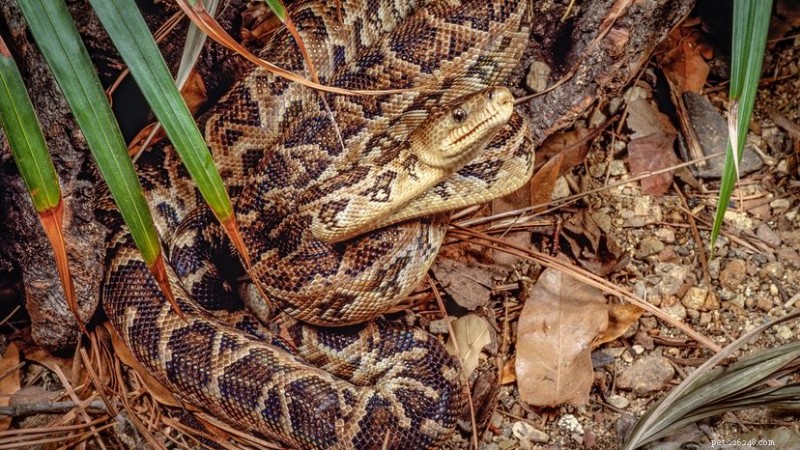
In Guantanamo Bay, Dr. Pete Tolson—director emeritus of conservation and research at the Toledo Zoo—has dedicated nearly twenty years to studying the Cuban boa (Chilabothrus angulifer). His fascination with herpetology began during his Marine service in 1968, and he now conducts semiannual field visits to monitor the species’ habitat preferences, dietary habits, and reproductive behavior.
Below we examine the boa’s unique ecological niche, specialized diet, and mating rituals, all of which are central to the conservation initiatives led by Dr. Tolson and his team.
Introducing the Cuban Boa to the Scientific Community
Renowned 19th‑century Spanish naturalist Ramón de la Sagra was pivotal in documenting Cuba’s fauna. In his seminal work, "Historia física, política y natural de la Isla de Cuba," he published the first scientific illustration of the Cuban boa, providing an essential visual reference that introduced the species to Western science.
Taxonomic History of Cuban Boas
- Initial classification: In the 19th century the species was named Epicrates angulifer and placed within the genus Epicrates.
- Revisions: Advances in herpetology and genetic analysis prompted a reevaluation of boas, separating distinct lineages into more accurate genera.
- Current status: Genetic data confirmed that the Cuban boa belongs to the genus Chilabothrus, distinguishing it from other Epicrates species.
- Present understanding: Chilabothrus angulifer is endemic to Cuba and its nearby islands, recognized as a unique species within the Caribbean.
Physical Features
Adult Cuban boas can reach lengths of approximately 15 feet (4 m), making them the largest snake in Cuba. Their robust, muscular bodies enable efficient constriction, while a slightly broader head, blunt snout, and small vertical pupils reflect a nocturnal, crepuscular lifestyle.
Heat‑sensing pits along the lips allow them to detect warm‑blooded prey in low‑light conditions. The skin is covered with smooth, glossy scales that showcase a pattern of brown and tan saddles, providing excellent camouflage against the forest floor. The ventral surface is typically a lighter cream or yellowish hue.
Geographic Range and Habitat
The Cuban boa is native to Cuba, Isla de la Juventud, Cayo Cantiles, and the Archipélago de los Canarreos. It thrives in dense deciduous and evergreen forests, as well as caves and rocky outcrops where it can retreat and hunt.
In western Cuba, the boa’s coloration tends to be darker, matching the denser, shadowed vegetation. The species also ventures into cultivated areas such as sugar‑cane plantations, where abundant rodent populations provide ample food.
Hunting Strategy
As a nocturnal constrictor, the Cuban boa relies on ambush predation. It remains concealed until prey—typically rodents, birds, or small reptiles—comes within striking range. Once detected, the snake uses precise, rapid strikes to seize its target, then wraps its powerful body to suffocate the prey.
A Band of Boas
In 2017, researchers from the University of Tennessee observed a rare form of pack hunting among Cuban boas in caves. The snakes formed a “wall” or “curtain” at cave entrances, striking in unison to capture bats. This behavior, documented in the journal "Animal Behavior and Cognition," demonstrates advanced group coordination among a typically solitary species.
Diet
The boa’s diet is primarily carnivorous, focusing on small to medium mammals and birds. Rodents dominate their prey list, and the snake plays a vital role in controlling populations of hutias, which, if left unchecked, could damage local vegetation.
Birds—both arboreal and ground‑dwelling—form a significant portion of the diet, thanks to the boa’s climbing ability. In coastal scrub forests, lizards, juvenile tortoises, and other small reptiles are also hunted.
Due to a slow metabolism, young boas feed more frequently, while adults can go weeks to months without a meal, especially during cooler periods.
Breeding Maturity
Male Cuban boas typically reach sexual maturity at 2–3 years, while females mature slightly later, at 3–4 years, due to the energy demands of gestation. The species is ovoviviparous, giving birth to live young after a gestation period of roughly four months.
Captive vs. Wild Maturation
In captivity, the stable environment and regular feeding accelerate growth; males can mature as early as 2 years and females at 3 years. Wild individuals, however, may take longer due to variable food availability and environmental stressors.
Mating
Mating typically occurs during Cuba’s dry season (November to April). Males actively search for females, engaging in tactile and olfactory courtship—body rubbing and tongue flicking—to signal readiness. Once a pair is formed, copulation may occur multiple times over several days.
After a four‑month gestation, females give birth to live litters ranging from several dozen to over a hundred young. Offspring are fully independent at birth and possess the instinctual skills needed for survival.
Cuban Boa’s Arboreal Nature
The ability to climb trees is integral to the Cuban boa’s ecology. Arboreal habitats provide ambush points for prey such as birds and rodents, as well as refuge from predators and a means to thermoregulate by moving between sunlit and shaded branches.
Females often use tree hollows or dense foliage as secure birthing sites, ensuring the young are hidden from predators and environmental extremes.
This article was created with AI assistance and subsequently fact‑checked and edited by a HowStuffWorks editor.
- Build a Safe Dog Playpen: A Step‑by‑Step Guide for Homeowners
- 6 Essential Tips for Caring for Your Dog
- Can Deer Whistles Protect Dogs? Expert Insights on Their Effectiveness
- City Dogs vs. Suburban Dogs: Which Environment Fosters Greater Happiness?
- Effective Natural Remedies for Treating Mastitis in Dogs
- Identifying and Treating Ferret Bloat: Prompt Care for Life‑Saving Outcomes
- Understanding Reverse Sneezing in Dogs: Causes, Symptoms, and When to Seek Veterinary Care