

The 20 Most Dangerous Venomous Snakes on Earth
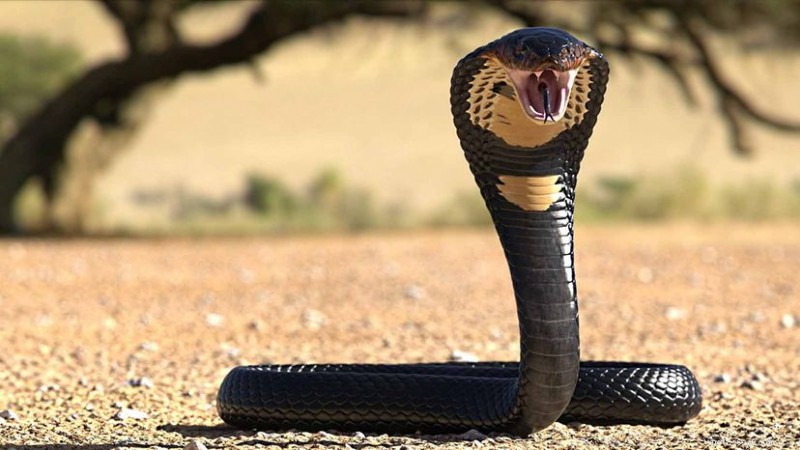
With over 3,000 species worldwide, only about 15 % are venomous, and roughly a third of those can deliver a bite that is potentially fatal to humans. While many people focus on the iconic cobra, the list below highlights 20 species whose venom or behavior make them the most dangerous to humans.
It’s important to remember that “deadly” doesn’t always mean “highly venomous.” Non‑venomous species such as the python can still cause death through constriction or suffocation. Likewise, some venomous snakes have milder toxins or are rarely encountered by people.
1. Inland Taipan
The inland taipan (Oxyuranus microlepidotus) is widely regarded as the world’s most potent venomous snake. Its venom contains a powerful mix of neurotoxins, procoagulants, and hemotoxins that can kill an average human in less than an hour. The species is confined to remote Australian scrublands, and human encounters are extremely rare.
Unlike many other snakes, the inland taipan’s venom contains hyaluronidase, an enzyme that rapidly disperses toxins through the bloodstream, accelerating systemic effects.
2. Saw‑Scaled Viper
The saw‑scaled viper (Echis carinatus) is the smallest member of India’s “big four” but is responsible for the majority of snake‑bite deaths in the country. A single bite can trigger massive internal bleeding and acute renal failure. The snake is named for the distinctive “sizzling” sound it makes by rubbing its serrated scales together.
3. Coastal Taipan
Closely related to the inland taipan, the coastal taipan (Oxyuranus scutellatus) shares virtually identical venom potency. It is more likely to encounter humans because it inhabits abandoned burrows, hollow logs, and vegetated edges along Australia’s east coast and parts of New Guinea.
4. Black Mamba
The black mamba (Dendroaspis polylepis) is Africa’s fastest terrestrial snake, reaching speeds of 19 km/h (12 mph). Its neurotoxic venom can induce paralysis and cardiac arrest in minutes. The species is nocturnal and typically defends itself with a warning hiss before striking.
5. Banded Krait
The banded krait (Bungarus fasciatus) can grow up to 2.1 m (6.9 ft) and is one of the most venomous snakes in India. Its venom contains potent neurotoxins that paralyze the diaphragm, leading to suffocation if untreated. Although shy, it becomes a significant threat at night.
6. King Cobra
The king cobra (Ophiophagus hannah) is the longest venomous snake, reaching lengths of 5.4 m (18 ft). It possesses a highly effective venom cocktail of cytotoxins and neurotoxins. One bite can kill a human in about 15 minutes and an adult elephant in a few hours.
7. Boomslang
The boomslang (Dispholidus typus) inhabits the forests of southern Africa. Though rarely aggressive, its venom can cause severe hemorrhaging and can kill within 24 hours if untreated. The snake is a skilled ambush predator, using its camouflage to surprise prey.
8. Russell’s Viper
The Russell’s viper (Daboia russelii) is a principal cause of snake‑bite mortality in South Asia. Its venom induces acute kidney failure, severe bleeding, and multi‑organ damage. The species is often found in paddy fields where it poses a danger to farmers.
9. Eastern Brown Snake
The eastern brown snake (Pseudonaja textilis) is Australia’s deadliest non‑copperhead. Its venom contains presynaptic neurotoxins, procoagulants, and cardiotoxins that can cause paralysis and uncontrolled bleeding. It is responsible for more deaths in Australia than any other species.
10. Eastern Tiger Snake
The eastern tiger snake (Notechis scutatus) is found in southeastern Australia’s mountains and grasslands. Its venom can kill a human in as little as 15 minutes if left untreated. The species is named for its distinctive yellow‑black banding.
11. Death Adder
The death adder (Acanthophis antarcticus) is famed for its lightning‑fast strike. It hunts by ambush, camouflaged in leaf litter. Its venom, rich in neurotoxins, can induce respiratory paralysis and death within hours without prompt antivenom.
12. Fer‑de‑Lance
The fer‑de‑lance (Bothrops asper) is a pit viper native to Central and South America. Its hemotoxic venom can cause extensive tissue necrosis and severe bleeding, making it a top cause of snake‑bite fatalities in its range.
13. Gaboon Viper
The gaboon viper (Bitis gabonica) boasts the longest fangs of any snake—up to 5 cm (2 in)—and delivers a large venom dose. Its hemotoxic cocktail leads to rapid swelling, intense pain, and tissue damage. Despite its potency, the snake is generally docile and relies on camouflage.
14. Tiger Rattlesnake
The tiger rattlesnake (Crotalus tigris) inhabits the southwestern United States and northwestern Mexico. It is one of the smallest rattlesnakes but carries a highly neurotoxic venom that can cause respiratory failure if untreated. The species is shy and rarely bites.
15. Philippine Cobra
The Philippine cobra (Naja philippinensis) is notable for its ability to spit venom with deadly accuracy. Its neurotoxic venom can lead to respiratory failure within 30 minutes if not treated. Unlike many cobras, its venom remains potent even if not directly injected.
16. Western Brown Snake
The western brown snake (Pseudonaja nuchalis), also known as the gwardar, is a highly venomous Australian species. It delivers rapid, successive bites that can cause blood clotting disorders and muscle paralysis.
17. Many‑Banded Krait
The many‑banded krait (Bungarus multicinctus) is prevalent in Southeast Asia and southern China. Its potent neurotoxins can cause paralysis and respiratory failure within hours if untreated. The snake is generally shy but poses a serious risk in residential areas.
18. Green Mamba
The green mamba (Dendroaspis angusticeps) is found along the coast of eastern Africa. While less aggressive than the black mamba, its neurotoxic venom can cause respiratory paralysis within hours. Its bright green coloration aids in camouflage.
19. Mojave Rattlesnake
The Mojave rattlesnake (Crotalus scutulatus) is considered the most dangerous rattlesnake in the United States due to its unique venom containing both neurotoxins and hemotoxins. It inhabits southwestern deserts and typically warns intruders with its rattle before striking.
20. Puff Adder
The puff adder (Bitis arietans) is responsible for the most snake‑bite deaths in Africa. Its cytotoxic venom causes severe pain, swelling, and tissue damage. The species is sluggish, increasing the likelihood of accidental strikes.
We updated this article in conjunction with AI technology, then made sure it was fact‑checked and edited by a HowStuffWorks editor.
- Enhance Your Pet’s Diet: Expert-Approved Add-Ins for Dry Kibble
- Do Savannah Cats Behave Like Dogs? Discover Their Unique Personality
- Understanding Hepatic Nodular Hyperplasia in Senior Dogs
- How High-Quality Meat Diets May Diminish Your Cat's Hunting Instincts
- The Science Behind Dogs’ Toy Play: Why They Love Chewies and More
- Why Dogs Run After a Bath: Understanding Their Post‑Wash Behavior
- Recognizing Urinary Tract Infection Symptoms in Puppies