

Manila Clams Now Established on U.S. Northeast Coast
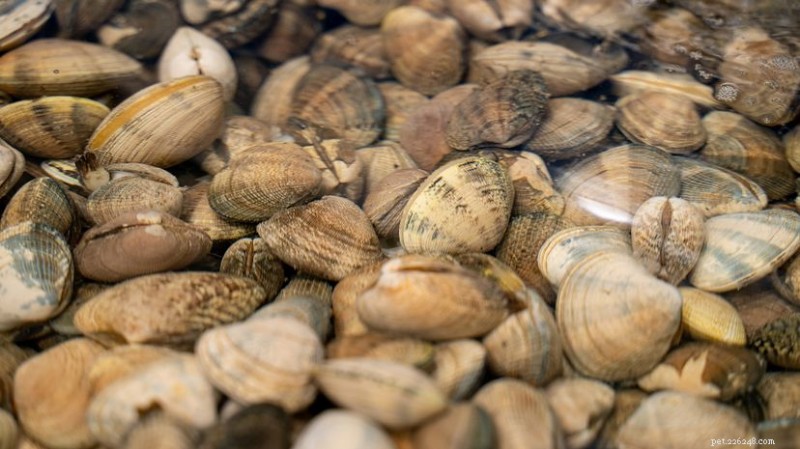
What Are Manila Clams?
Manila clams (Ruditapes philippinarum) are native to the Pacific coast of Asia, ranging from Sakhalin Island in Russia through Japan to southern China. Although their name suggests a Philippine origin, they are not native to Manila.
In the 20th century they were intentionally introduced to the Pacific coasts of North America and Europe for aquaculture because they are prized as a high‑quality seafood. Since then they have spread widely via natural reproduction and accidental transport.
Today they support a multibillion‑dollar global industry and appear in dishes such as pasta alle vongole, chowders, and steamed shellfish platters.
Why This Atlantic Discovery Matters
For decades the Atlantic coast of the Northeastern United States was the last major Manila‑clam‑free region in the Northern Hemisphere. Researchers from the University of Massachusetts Amherst, MIT Sea Grant, and the Center for Coastal Studies have now confirmed that breeding populations exist around Boston Harbor, Cape Cod, and nearby waters.
The evidence includes live adults, juveniles, and clear signs of successful reproduction—not just discarded shells. Detecting an invasive species this early provides a rare chance to study its spread from the outset.
Potential Ecological Impacts
Manila clams can compete with native bivalves for food and space, and they might hybridize with closely related species. Dense populations could alter habitats and affect food webs that support birds, fish, crabs, and commercially important shellfish.
The exact pathway that brought them to New England is still unknown; possibilities include ballast water, aquaculture gear, or accidental transport from other regions.
Possible Benefits
While invasive species are often harmful, Manila clams are edible and could provide an additional food source for predators such as seabirds, raccoons, and crabs. If predators shift to feeding on clams, pressure on native shellfish might lessen—but the overall balance of competition and predation remains uncertain.
Can People Eat Them?
Yes. Manila clams are already widely consumed and are safe to eat when harvested from waters approved for shellfish collection. The recent discovery is an ecological warning, not a public‑health alert; harvesters should follow local water‑quality advisories and regulations.
What Comes Next?
Scientists are now monitoring several key questions:
- How quickly will Manila clams spread along the Atlantic coast?
- Will they remain sparse or become dominant?
- What effects will they have on native shellfish and local fisheries?
- Could warming ocean temperatures enable a further northward expansion?
Continued observation will reveal whether Manila clams become a modest new resident of New England’s shoreline or a larger ecological force.
We created this article with AI assistance, then fact‑checked and edited it with HowStuffWorks editorial standards.
- Introducing a New Puppy to Your Senior Dog: A Step‑by‑Step Guide
- Advanced Dog Training: Mastering Beyond Basic Skills
- Top 500 Popular Male Dog Names – Find Your Perfect Pup Name
- How Mother Dogs Transport Their Puppies: A Guide to Canine Parenting
- How Much Exercise Does Your Cat Actually Need?
- Can a Cat’s Whiskers Regrow? What to Expect and How Long It Takes
- Top 2022 Kitten Food Guide: Best Brands for Healthy Growth