

Why New Hamsters Sleep So Much at First – An Expert Guide to Their Nocturnal Habits
Bringing a hamster into your home is a joyous milestone, yet their early behavior can be puzzling. Many owners notice their new companion spending long stretches of daylight curled up. Rest assured, this is a natural, healthy response to being a nocturnal species that thrives after sunset.
When a hamster is introduced to a new environment, the unfamiliar smells, sounds, and layout trigger a stress‑reduction routine: extended daytime rest. Over the first few weeks, as the animal learns safe zones and establishes feeding schedules, these naps gradually shorten and evening activity ramps up.
Because hamsters evolved to avoid predators by staying hidden during daylight, their activity peaks between midnight and 4 a.m. – a schedule that remains intact even in the safety of a pet‑friendly home. Monitor for signs such as appetite changes or unusual lethargy, but generally, the more interactive a hamster becomes at night, the healthier it is.
Introduction to Hamster Sleep Patterns
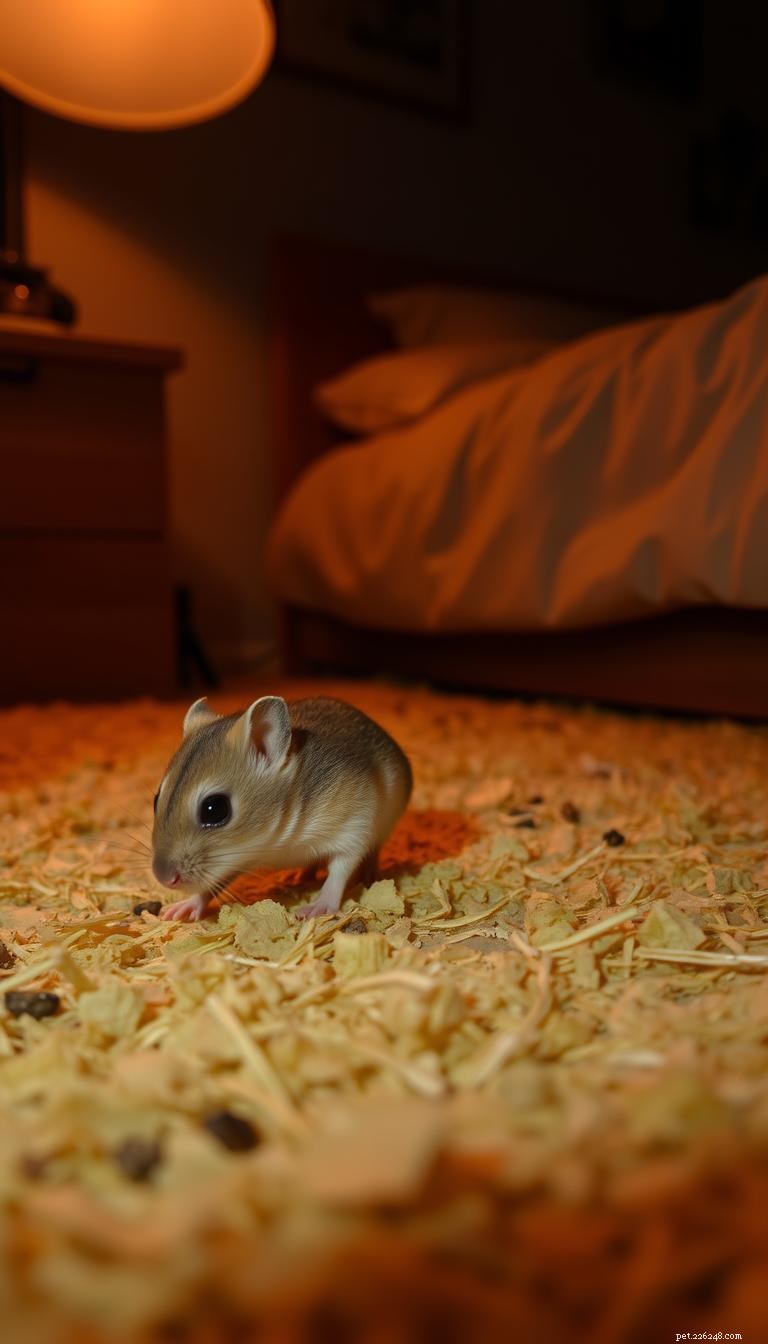
Do you ever wonder why your new pet behaves like a tiny night owl? Their internal clock is essentially inverted relative to ours: they recharge during the day and awaken as darkness falls. Hamsters typically sleep 12‑14 hours per day, divided into short bursts, with a brief midday wake‑up for a snack or cage inspection.
Peak activity occurs from midnight to 4 a.m., featuring marathon wheel sessions, tunnel construction, and food hoarding. Some start earlier around 8 p.m.; others may remain quiet until everyone else has slept.
Understanding this rhythm helps you:
- Respect their need for daytime quiet
- Schedule playtime during active hours
- Appreciate midnight antics as healthy behavior
That fluffy ball napping in the corner isn’t lazy—it’s storing energy for the night’s adventures that keep them physically and mentally sharp.
Do Hamsters Sleep A Lot When You First Get Them?
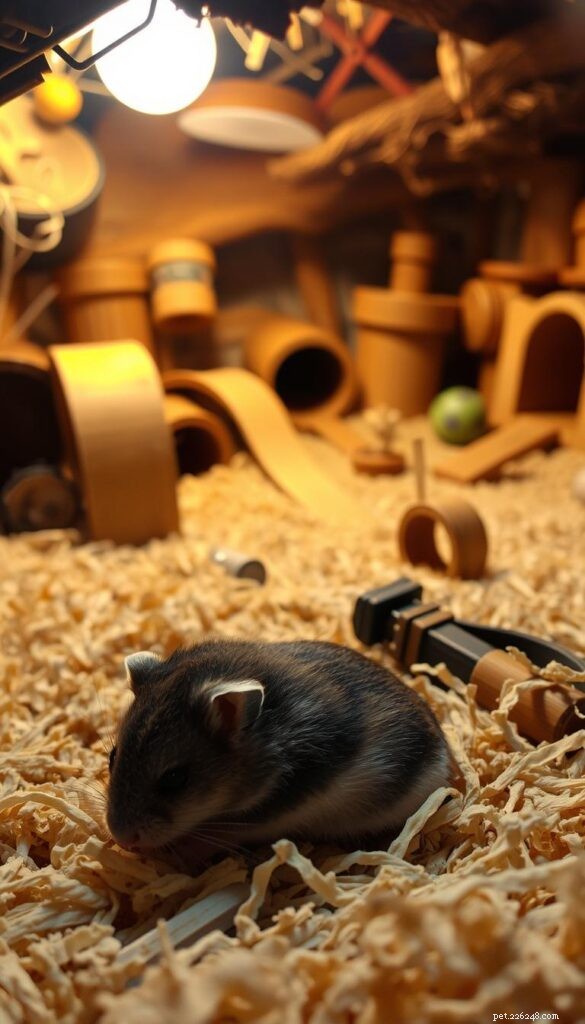
Welcoming a hamster into your space introduces unique challenges. During the first weeks, extended rest helps them manage stress while mapping the new surroundings. Here’s how to support them:
Adjusting to a New Home
Intense sensory processing—strange smells, unfamiliar voices, and cage layouts—can trigger protective hiding. Patience is essential as they establish safe zones and feeding routines.
- Brief daytime snack breaks
- Curious nose twitches during quiet hours
- Gentle bedding rearrangements
Nighttime Biological Programming
Resting during daylight conserves energy for nighttime exploration. Dr. Ellie Simmons, an animal behaviorist, notes that new environments activate survival instincts, making day‑time sleep a strategic safety measure.
Maintain consistency by:
- Stabilizing light/dark cycles
- Offering food at sunset
- Resisting daytime interaction
Within 2‑3 weeks, you’ll observe shorter naps and increased dusk‑time activity as trust develops.
Understanding Your Hamster’s Behavioral Cues

Decoding subtle gestures helps spot issues early. Relaxed yawns, grooming, and stretching indicate confidence. Burrowing patterns reveal engagement with their environment, while cheek pouch stuffing signals meal security.
Watch for red flags such as listless movements or uncharacteristic stillness. Healthy sleep includes periodic wake‑ups; persistent inactivity warrants a wellness check.
Setting Up the Ideal Hamster Cage Environment
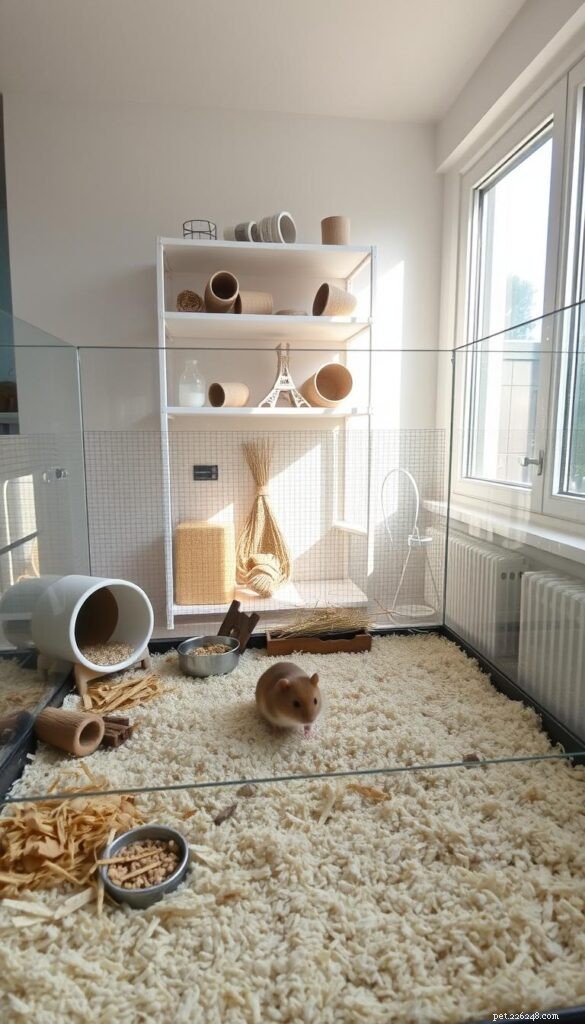
A comfortable habitat balances space, safety, and enrichment. Aim for at least 450 square inches of floor area. Two connected Ikea Samla bins, glued together and fitted with mesh, offer a budget‑friendly option. A 40‑gallon fish tank also works well, providing clear walls to observe midnight adventures.
Choosing the Right Cage and Bedding
Paper‑based bedding lets your hamster dig tunnels naturally. Spread 2‑3 inches deep. Avoid aromatic woods like cedar or pine; their oils can irritate tiny lungs.
DIY vs. Store‑Bought Options
Commercial cages often fall short in space and ventilation. A DIY bin cage can cost $25 and triple the space of most pet‑store setups—worth the effort for your hamster’s well‑being.
Key factors to consider:
- Custom layout flexibility
- Aquarium walls prevent bedding spills
- Store cages may need costly upgrades
The Role of a Checked Vet in Your Hamster’s Health

Early veterinary care is vital. Small pets often mask symptoms until a condition is serious. Routine exams help catch hidden issues—dental problems, infections, or dehydration—before they worsen.
| Normal Behavior | Warning Signs | Vet Action |
|---|---|---|
| 12‑14 hours daily sleep | Lethargy >20 hrs | Respiratory exam |
| Nighttime food hoarding | Empty cheek pouches | Dental inspection |
| Grooming routines | Matted fur or discharge | Parasite screening |
Track weight weekly, eye clarity, and breathing sounds. Maintain your vet’s contact information handy for any sudden shifts in activity or appetite.
Essential Nutrition: Food, Fresh Veg, and Timothy Hay
A balanced diet fuels nighttime adventures. Start with a commercial hamster mix containing seeds, grains, and pellets—look for at least 16% protein and 5% fiber. Introduce fresh veggies (broccoli, carrot shavings) slowly; Dr. Mara Jensen recommends pea‑sized portions every three days for two weeks.
Daily greens should be introduced gradually to avoid digestive upset. Timothy hay offers multiple benefits:
- Supports digestion
- Wears down over‑growing teeth
- Provides nesting material
Schedule dinner around 7 p.m. to sync with their natural wake‑up cycle. Over time, they’ll associate the crunch of fresh veggies and the clatter of food bowls with rewarding meals.
| Safe Vegetables | Dangerous Foods |
|---|---|
| Chopped cucumber | Onions & garlic |
| Bell pepper slices | Chocolate |
| Spinach leaves | Citrus fruits |
Remove uneaten fresh food within two hours to prevent spoilage. Observe how they react—happy hamsters stash favorites in cheek pouches for later snacking.
Creating an Enriching Habitat with Toys and Nesting Material
Stimulating environments keep hamsters healthy. Cardboard tubes and untreated wood blocks serve as chewable castles and dental care tools. Rotate shapes weekly to spark curiosity—an old toilet‑paper roll can become a new nesting material.
Essential gear includes:
- Solid‑surface wheels (8″ for dwarfs, 12″ for Syrians)
- Climbing branches from apple or birch trees
- Digging boxes with safe bedding
Nesting supplies like unscented paper strips let them craft cozy sleep pods. Avoid cotton fluff, which can tangle tiny paws. A study by the Small Animal Welfare Society found that pets with varied enrichment sleep 23% less during daylight, indicating reduced stress and increased nighttime activity.
Day and Night: Understanding Hamster Circadian Rhythms
Hamsters’ internal clocks align with moonlight. Sunlight triggers melatonin, encouraging daytime nesting and conserving energy for the night. Their metabolism is fast—nighttime explorers burn ~300% more energy than daytime sleepers.
| Time | Activity Level | Common Behaviors |
|---|---|---|
| Day (6 AM–6 PM) | Low | Napping, occasional grooming |
| Night (6 PM–6 AM) | High | Wheel running, food hoarding, exploring |
Peak activity often lands between 10 PM and 2 AM. During this window, hamsters can maintain 3‑4 hours of continuous motion before recharging.
Avoid disturbing them during daytime naps; frequent disruptions raise stress hormones, disrupt feeding, and weaken immunity. Instead, enjoy their nighttime performances as nature’s own reality show.
Recognizing Normal vs. Abnormal Sleep Patterns
Spotting changes is key. A healthy hamster naps in short bursts and wakes to snack or groom. If they remain curled for >20 hrs or skip wheel runs, investigate further. Lethargy often precedes visible symptoms—trust your instincts.
Key warning signs include:
- Ignoring preferred treats
- Sunken eyes or messy fur
- Unusual breathing patterns
Stress can temporarily increase rest; combine this with appetite loss to gauge illness. If they refuse water for 12 hrs, call a vet immediately.
Track habits with a simple journal: activity peaks, food intake, and hiding spots. This record aids quick diagnosis.
FAQ
Why does my new pet seem inactive during the day?
Hamsters are naturally nocturnal. They rest during daylight and become active at night. Give them a week to adjust while keeping their habitat quiet.
How can I make their cage feel safe and comfortable?
Use a spacious enclosure (at least 24″ × 12″ for dwarf breeds) and 2‑3 inches of paper‑based or aspen bedding. Avoid cedar or pine shavings. Add hideouts and unscented toilet paper for burrowing.
Should I schedule a vet visit even if they seem healthy?
Yes! A routine check can spot early signs of mites, dental issues, or infections. Annual exams are ideal, but contact a vet immediately if you notice labored breathing, wet tail, or sudden weight loss.
What foods are safe for their diet?
Offer a mix of commercial pellets, fresh veg (carrots, broccoli), and occasional treats like timothy hay. Avoid citrus, onions, or sugary snacks. Remove uneaten fresh food within 24 hrs.
Are DIY toys better than store‑bought ones?
Both work! Cardboard tubes or untreated wood are great DIY options. For store‑bought toys, choose chewable items free of plastic or small parts. Rotate toys weekly.
How do I know if they’re sleeping too much?
6‑8 hrs of daytime sleep is normal. Prolonged lethargy or refusal to eat could signal illness. Track activity; consult a vet if changes last >2‑3 days.
Can I use scented bedding for odor control?
No—scented products often contain chemicals toxic to small pets. Stick to unscented paper bedding or hemp fibers. Spot‑clean soiled areas daily and do a full cage clean weekly.
Do they need companionship?
Syrian breeds prefer solitude; some dwarf types tolerate same‑species pairs if introduced early. Monitor aggression and provide separate food bowls and hideouts to reduce stress.
- Why Your Pet Needs Routine Vet Check-Ups: Key Health Benefits
- Why Your Cat is Peeing on Towels: Causes & How to Stop It
- Siberian Cats: Are They Truly Hypoallergenic? Find Out the Truth
- Choosing the Best Transport for Your Guinea Pig: Carrier vs. Cardboard Box
- Top 8 Human Foods for Healthy, Low‑Calorie Dog Treats
- PetSmart Dog Training Review 2022: Costs, Effectiveness, and FAQs
- Duke: 12-Year-Old Miniature Pinscher Adopted, Seeking a Loving Home