

Eastern Indigo Snake: Habitat, Diet, and Conservation Efforts
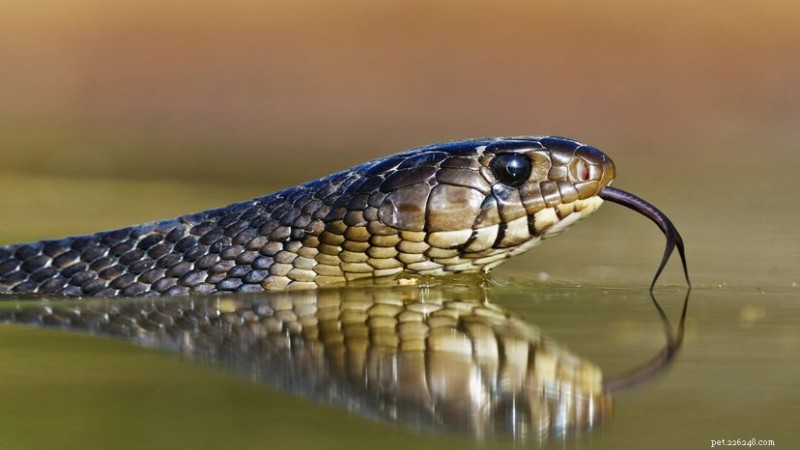
Known as the longest native snake in North America, the eastern indigo snake (Drymarchon couperi) is distinguished by its striking indigo‑blue sheen. This unique coloration sets it apart from other colubrids, yet the species is now endangered due to habitat loss, road mortality, and illegal collection for the pet trade.
Commonly called the blue bull snake or blue gopher snake, the eastern indigo maintains a close relationship with gopher tortoises. During winter, it often seeks refuge in gopher tortoise burrows, using these underground chambers for shelter, thermoregulation, and even nesting.
Types of Indigo Snakes
While the eastern indigo is the most well‑known species, the genus Drymarchon includes several other taxa adapted to diverse habitats:
- Texas indigo snake (Drymarchon melanurus erebennus): Found in southern Texas and northern Mexico, this subspecies is notable for its large size and dark coloration, occasionally showing a reddish‑brown chin and throat.
- Central American indigo snake (Drymarchon melanurus): Spanning from Mexico through Central America, these snakes share the eastern indigo’s general appearance but display lighter, variable coloration.
- Indigo snake (Drymarchon corais): A large, nonvenomous colubrid native to Central and South America, recognized for its dark body and contrasting bright yellow or cream tail. Its agility and intelligence make it popular in the exotic pet trade.
- Margarita indigo snake (Drymarchon margaritae): Endemic to the Margarita Islands off Venezuela, this species remains poorly studied.
Eastern Indigo Home Range
The species thrives in longleaf pine flatwoods, wetlands, swamps, freshwater marshes, and river floodplains. These habitats provide essential basking sites, cover, and sandy soils for burrowing and reproduction. Proximity to water offers a refuge during heatwaves and wildfires, while also supporting the snake’s diverse diet of mammals, birds, amphibians, and other reptiles.
Gopher Tortoise Burrows: A Safe Haven for Eastern Indigos
Gopher tortoise burrows, especially prevalent in southern Georgia and northern Florida, offer critical shelter from predators and extreme weather. The extensive tunnel systems attract rodents and other small animals, providing reliable prey for indigo snakes. Moreover, these burrows serve as nesting sites for female indigos during the spring and early summer.
What Does the Eastern Indigo Snake Eat?
As a generalist predator, the eastern indigo hunts a wide range of prey: mice, rats, small rabbits, birds and their eggs, reptiles (including rattlesnakes, due to its venom immunity), lizards, turtles, amphibians, and occasionally fish in wetlands. Its hunting strategy relies on overpowering prey rather than constriction, allowing it to consume animals larger than its own size would suggest.
Mating
Limited data exist on indigo mating behavior. Key confirmed facts include:
- Breeding season occurs from November to April, during which mating takes place.
- Females may store sperm, enabling deferred fertilization.
- Nesting occurs May–August; clutches range from four to twelve eggs, laid annually or biennially depending on conditions.
- Incubation lasts approximately 90 days, with eggs often deposited in gopher tortoise burrows.
- Rare evidence suggests parthenogenesis, though viability remains uncertain.
Conservation Status
The eastern indigo is federally listed as threatened under the U.S. Endangered Species Act. While the IUCN Red List categorizes it as Least Concern, several states—Florida, Georgia, and Alabama—classify it as endangered, reflecting regional declines. Major threats include habitat loss from development and agriculture, road mortality, and illegal collection.
Conservation actions include habitat restoration, captive breeding, and road mitigation measures. As a keystone species, protecting the eastern indigo supports broader ecosystem health.
Protecting the Eastern Indigo
Comprehensive, collaborative efforts are underway:
- Standard Protection Measures by the U.S. Fish and Wildlife Service (USFWS) guide construction projects in Florida and Georgia, requiring site inspections and activity cessation when snakes are detected.
- Captive Breeding & Reintroduction at the Central Florida Zoo & Botanical Gardens’ Orianne Center for Indigo Conservation (OCIC) has released 169 snakes into Conecuh National Forest (Alabama, 2010–2019) and 47 into The Nature Conservancy’s Apalachicola Bluffs and Ravines Preserve (Florida, 2017–2019).
- Partnerships with USFWS, state wildlife agencies, and conservation NGOs support long‑term reintroduction programs.
The Future of Eastern Indigo Snakes
In August 2023, OCIC celebrated the hatching of 76 indigo snake hatchlings and reported the incubation of 47 more eggs, with three already hatching. Expected hatching dates extend into September. The Center continues to release newly hatched snakes into their native ranges, contributing significantly to population recovery in the Conecuh National Forest and the Apalachicola Bluffs and Ravines Preserve.
All information presented here has been fact‑checked and edited by a HowStuffWorks editor to ensure accuracy and reliability.
- 500+ Popular Frog Names to Choose From – Find the Perfect Name for Your Amphibian Friend
- Celebrate National Siamese Cat Day – Honoring the Elegant Siamese Breed
- Top 9 Immediate Dog Health Emergencies You Must Address Right Away
- How to Stop Your Dog From Begging: Simple, Proven Strategies
- How Cranberry Supplements Help Prevent Urinary Tract Infections in Dogs
- Are Chestnuts Safe for Dogs? Nutritional Benefits & Feeding Guidelines
- Protecting Your Cat: Understanding and Preventing Common Infectious Diseases