

Janthinobacterium lividum Shields Frogs from Devastating Chytrid Fungus
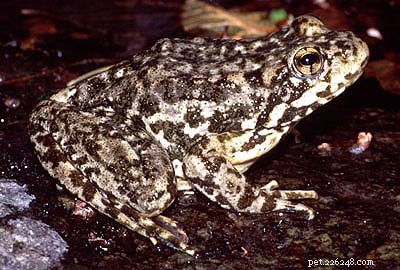 A bacterium that naturally occurs on the skin of certain frogs and salamanders has been shown to protect these animals from infection by a deadly Chytrid fungus infection. Chytrid fungus, known as Batrachochytrium dendrobatidis, has been very much in the news since its discovery in 1999. It is believed to have caused the extinction of up to 200 amphibian species, and is still spreading in many countries.
A Fungus-Killing Bacterium
The helpful bacterium’s name – Janthinobacterium lividum – is quite a mouthful, but amphibian enthusiasts should keep it in mind. Isolated from the skin of Mountain Yellow-Legged Frogs, Rana mucosa, and Red-Backed Salamanders, Plethodon cinereus (please see photos), this bacterium may turn out to be an invaluable weapon in what has thus far been a losing battle to combat Chytrid-driven extinctions.
Lab Tests and Field Research
As reported in a recent Scientific American article (July 12, 2010), J. lividum can be collected from frog skin and cultured in the lab. Captive frogs and salamanders inoculated with the lab-grown bacterium did not contract Chytrid when exposed to the fungus.
Field research has shown that amphibians with the highest J. lividum populations on their skin had the greatest immunity to Chytrid infection. Later this month, researchers will inoculate wild Mountain Yellow-Legged Frogs in California’s Sierra Nevada Mountains – the first time a treatment strategy of this type will be attempted. It is hoped that J. lividum bacteria released into ponds will colonize amphibian skin without additional assistance. This would alleviate the burden of capturing and inoculating individual animals – a consideration that makes anti-fungal medications impractical for use in the field.
Another promising feature of J. lividum therapy is that the bacterium is a naturally-occurring organism that will not cause adverse side effects.
- Safeguarding Spring's Amphibian Breeding Migrations: A Guide to Protecting These Vibrant Species – Part 2
- Protecting Amphibian Breeding Migrations: Preserving North America's Spring Spectacle – Part 1
- Rare Frogs Breed in Captivity and Lost Species Rediscovered: Amphibian Conservation Milestone
- Pacific Chorus Frogs and Chytrid Fungus: Unpacking the Threat to Amphibian Biodiversity
- Salmonella Prevention: Key Guidelines for Reptile & Amphibian Owners
- Amphibians vs. Reptiles: 7 Key Differences You Need to Know
- Explore the Diversity of Tree Frogs: From African Tree Frog to Amazon Horned Frog