

How Rough Earth Snakes Master Camouflage in Their Natural Habitat
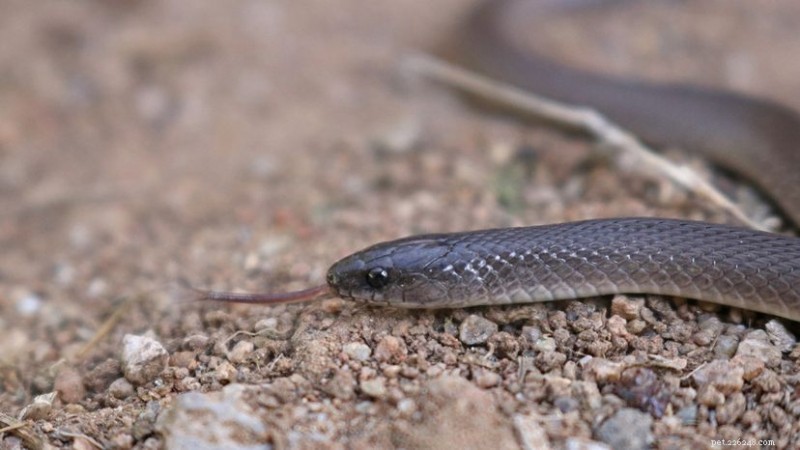
While often overlooked, the rough earth snake (Haldea striatula) plays a vital role in North American forest ecosystems. This diminutive, secretive reptile is widespread across the eastern and southeastern United States, from Virginia to Texas.
Commonly found in moist, leaf‑laden forest floors, these snakes thrive in environments rich in leaf litter, fallen logs, and loose soil—habitats that offer both shelter and abundant prey.
Physical Characteristics
The rough earth snake is a small, slender serpent, typically measuring 7–10 inches (17–25 cm) in total length. Its skin is covered with distinctive keeled scales that give it a rough texture, enhancing its camouflage among forest detritus. The uniform brown to gray‑brown coloration resembles twigs and roots, making it almost invisible to predators and prey alike.
Distinguishing Features
Unlike its close relative, the smooth earth snake (Haldea helenae), the rough earth snake’s scales are markedly textured. Other brown, small snakes—such as the brown snake, worm snake, and red‑belied snake—can be confused visually, but each species exhibits subtle differences in scale texture, body shape, and behavior that a trained eye can discern.
Subspecies and Related Species
Haldea striatula itself has no recognized subspecies, yet it shares its ecological niche with similar nonvenomous ground snakes, including the southern ground snake. All of these species function as essential predators of insects and invertebrates, helping to regulate forest floor communities.
Behavioral Ecology
These snakes are solitary and highly secretive, spending most of their time concealed beneath rocks, logs, or leaf litter. They avoid confrontation; when threatened, they emit a foul‑smelling musk from glands near their tail, which deters predators without the need for biting.
Dietary Habits
The rough earth snake’s diet centers on small invertebrates. Earthworms are its preferred prey, thanks to the snake’s slender body and pointed snout, which facilitate burrowing into soil. It also consumes slugs and other soft‑bodied invertebrates, requiring frequent, small meals rather than infrequent large ones. By controlling these populations, the snake contributes to ecological balance within forest habitats.
Habitat Preferences
Moist, forested areas provide the ideal environment for this species. The snake favors sites with ample ground cover—leaf litter, fallen logs, and loose soil—enabling it to hide, hunt, and evade predators. While primarily forest dwellers, they have successfully adapted to suburban areas where suitable cover persists.
Reproduction and Life Cycle
Haldea striatula is oviparous, with females laying 2–8 eggs during summer months. Eggs hatch in late summer or early fall, producing juveniles that are miniature versions of adults, often exhibiting a light neck band that fades with age. They reach sexual maturity in 2–3 years, supporting a fast, efficient life cycle that maintains population stability.
Conservation Status
Currently, the rough earth snake is not listed as endangered or threatened and remains common within its range. However, habitat loss due to forest clearing and suburban development poses a potential future risk. Protecting undisturbed forest ecosystems safeguards not only this species but also other sympatric, harmless snakes such as the striped snake and worm snake.
Our article was generated with AI assistance and subsequently reviewed and fact‑checked by a HowStuffWorks editor.
- Understanding Why Dogs Chase Bicycles: A Pet Owner's Guide
- Can Cats Safely Eat Corn? What Every Cat Owner Needs to Know
- Choosing the Best Transport for Your Guinea Pig: Carrier vs. Cardboard Box
- Feline Parvovirus Outbreaks: What Pet Owners Need to Know
- Comprehensive Care Guide for Banana Ball Pythons (Banana Morph)
- Do Feral Cats Spread Disease? What You Need to Know About Their Health Risks
- 10 Proven Ways to Keep Your Cat’s Teeth Healthy