

10 Cobra Species You Should Keep Well Aware Of
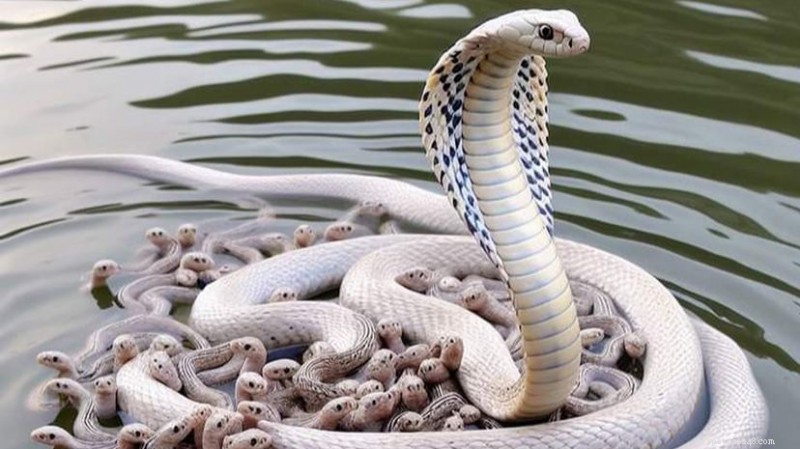
Cobras are among the world’s most venomous reptiles, famed for their dramatic hoods and swift strikes. Beyond their feared reputation, these snakes are indispensable ecological regulators, controlling rodent populations and sustaining balanced predator‑prey dynamics.
Banded Water Cobra (Naja annulata)
The semi‑aquatic banded water cobra inhabits Central Africa’s rivers, lakes, and mangrove swamps, preying on fish and amphibians. Unlike many cobras, it rarely raises its hood; instead it relies on stealth. Its neurotoxic venom can paralyze prey and, if left untreated, prove fatal to humans.
Caspian Cobra (Naja oxiana)
Native to Central Asian steppes and foothills—including Afghanistan, Iran, Turkmenistan, and Uzbekistan—the Caspian cobra thrives in arid and semi‑arid landscapes. Renowned as one of the deadliest Naja species, its venom is highly potent, and the snake is more likely to strike aggressively when threatened.
Egyptian Cobra (Naja haje)
Reaching up to 8 feet (2.4 m) in length, the Egyptian cobra is among the largest Naja. Its strong neurotoxic venom paralyses prey, and it is historically linked to myths such as the death of Cleopatra. Its diet includes birds, small mammals, lizards, and occasionally other snakes.
Forest Cobra (Naja melanoleuca)
Often exceeding 9 feet (2.7 m), the forest cobra occupies dense forests and swamps across Central and West Africa. With a dark olive or blackish coloration, it blends seamlessly into foliage, remaining reclusive despite its potent venom.
Indian Cobra (Naja naja)
Common throughout India and Southeast Asia, the Indian cobra is a frequent feature in snake‑charming performances thanks to its impressive hood and loud hiss. Its neurotoxic venom can cause blurred vision, respiratory failure, and death, yet it generally defends itself by fleeing rather than attacking.
King Cobra (Ophiophagus hannah)
As the longest venomous snake—reaching 18 feet (5.5 m)—the king cobra is found in South and Southeast Asia. Its venom is powerful enough to kill an elephant in a single bite. A unique trait among reptiles, it builds nests during breeding season and primarily preys on other snakes, lizards, and small mammals.
Monocled Cobra (Naja kaouthia)
Named for the circular monocle‑like hood mark, this aggressive snake can grow to about 7 feet (2.1 m). It occupies mangrove swamps, forests, and agricultural fields. Its venom contains both neurotoxins and cytotoxins, making it especially dangerous.
Mozambique Spitting Cobra (Naja mossambica)
Known for its defensive spit, this cobra can eject venom with remarkable accuracy, often targeting an attacker’s eyes. While a direct hit can cause severe pain and temporary blindness, it is usually not fatal unless the venom enters the bloodstream via a bite.
Philippine Cobra (Naja philippinensis)
Found in the northern Philippines, this smaller snake (3–5 ft/0.9–1.5 m) delivers a bite potent enough to kill a human in under 30 minutes if untreated. It frequents agricultural and rural areas, increasing human encounters.
Samar Cobra (Naja samarensis)
Endemic to the Philippines, the Samar cobra is one of the region’s most venomous species. Its venom contains neurotoxins and cytotoxins that cause severe tissue damage and paralysis. Habitat loss and illegal wildlife trade threaten its survival.
We created this article with AI assistance and had it rigorously reviewed and fact‑checked by a HowStuffWorks editor.
- Vet Explains Why Your Cat Keeps Licking You
- Top Dog Allergy Supplements 2022: Trusted Choices for Health
- Top 10 Essential Litter Box Accessories Every Cat Owner Should Have
- Explore Popular Fish Names Starting with I – A Guide for Aquarium Enthusiasts
- Ask Us Anything: Cat Anal Gland Issues, Cat Grass Benefits & Feline Pemphigus Diagnosis
- 20 Clever Pets That Outsmart Enclosures—Houdini Would Be Proud
- Proper Nutrition for Newborn Kittens & Puppies: A Complete Guide