

New Skinks, Sea Snakes, and Caecilians: Unexpected Discoveries Reshape Herpetology
 New reptiles and amphibians turn up regularly, but, being generally small and inconspicuous, most excite only hard-core herp enthusiasts. In recent days, however, a string of good-sized, colorful and totally unexpected discoveries have drawn attention from even “regular” people. The new species include a spiny, brick-red skink, a sea snake with uniquely-raised scales, and a new family of hard-headed caecilians, those oddest of amphibians.
Western Pilbara Spiny-Tailed Skink (Ergenia cygnitos)
The beautiful, deep-red color of this spine-covered skink closely matches the rocks of its desert habitat in Western Australia’s Pilbara region. You can see its photo and learn more in the article linked below.
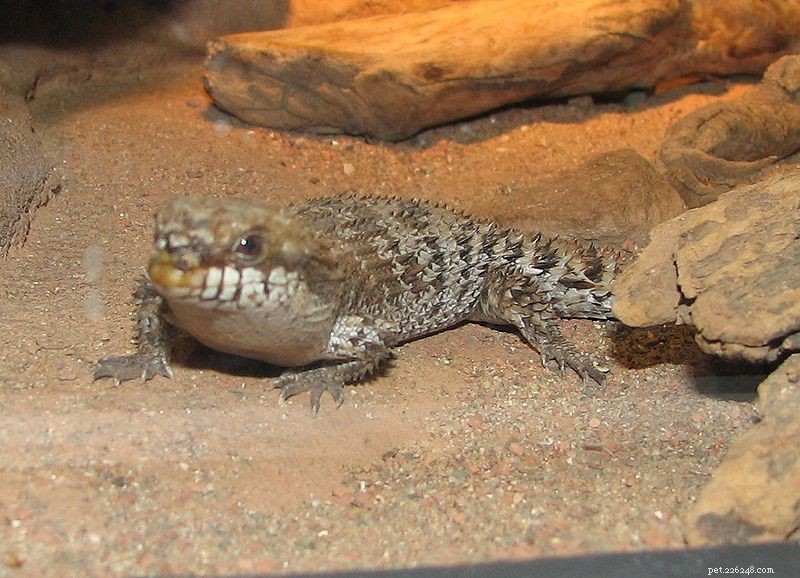
Over the past 12 months, 9 other new species – 7 reptiles and 2 frogs – have been found in the same area. Several related skinks (please see photo) and a “barking” gecko are included among the newly-described creatures. Mining proposals spurred the surveys in Pilbara. Hopefully, the discovery so many previously unknown species will limit commercial activities until further studies have been completed.
Rough-Scaled Sea Snake (Hydrophis donaldi)
 The world’s 60 true Sea Snakes depart radically from others in form and lifestyle, and they have, therefore, been studied in detail. As most occur in areas that are heavily fished by commercial trawlers, it has long been assumed that none remained to be found. So the recent discovery of new species in Northern Australia, where 31 others reside, was quite a surprise. Stranger still is the fact that it bears raised scales, rendering it unique among the sea snakes. Unlike its sea-going relatives, the aptly-named Rough-Scaled Sea Snake inhabits shallow estuaries – habitats that are not often visited by commercial fishermen or herpetologists.
Nine specimens of the new species, described by herpetologist Bryan Frye, have been found in the Gulf of Carpentaria region. Like all sea snakes, it produces complex venom which, if past studies are a guide, may contain medically-useful compounds. A photo of the new snake is included in the article linked below.
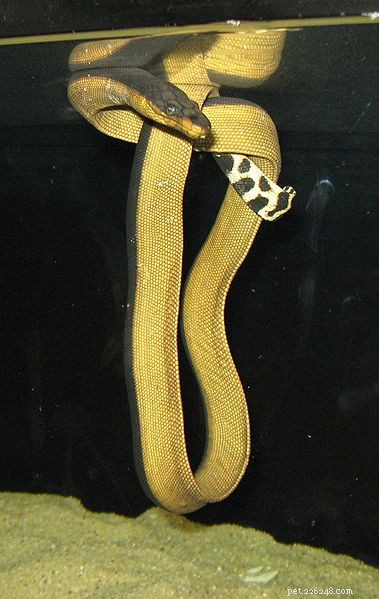
Sea Snakes are not often exhibited, so I feel fortunate to have worked with the beautifully-marked Yellow-Bellied Sea Snake (please see photo) at the Bronx Zoo. A confirmed “eel-specialist”, it was not the easiest of snakes to accommodate, but well-worth the effort.
A New Caecilian Family
The legless Caecilians are the least-studied of the amphibians. But what little we do know is startling…this video, showing young caecilians feeding on skin that their mother grows for this purpose, says it all!
Over the past 5 years, 250 surveys in northeastern India have turned up a variety of species, some so unique that a new family, Chikilidae, has been formed to accommodate them. Dwelling in forests and agricultural areas, Chikilid caecilians sport hard skulls that assist them in pushing their way through the soil. A photo of a female with her brood is included in the article linked below.
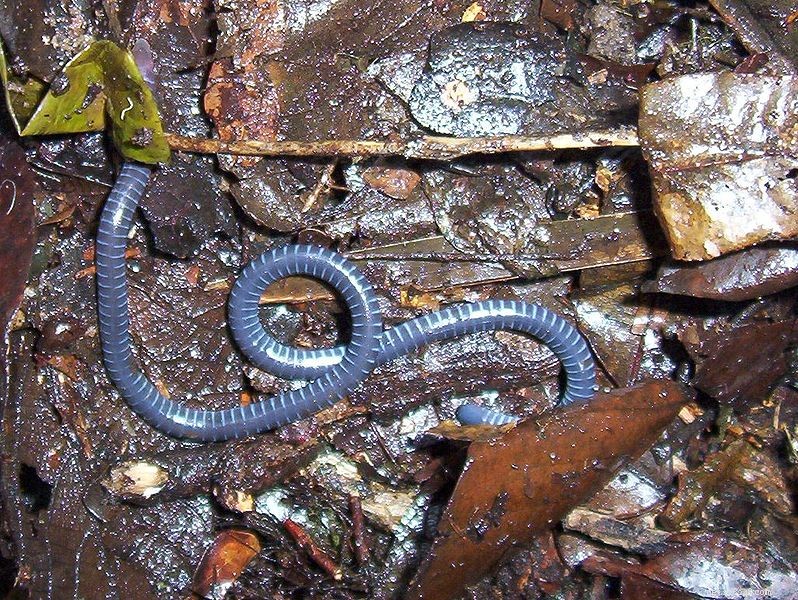 The Delhi University researchers who found the new caecilians have also described 57 other Indian amphibians. Thirty percent of India’s known amphibians have been discovered in the last 10 years, leading herpetologists to believe that many other surprises are in store.
Oddly enough, one of the world’s few aquatic caecilians sometimes appears in the pet trade. Sold under the name “Rubber Eel”, the Rio Cauca Caecilian has long fascinated me; please check out my article Notes on the Rubber Eel to learn more about this fascinating creature.
- Kingsnakes & Milk Snakes: Comprehensive Species Guide
- 2010 Amphibian Breakthroughs: New Species, Revived Extinct Finds & Insightful Discoveries – Part 1
- 2010 Amphibian Discoveries: New Species, Algae-Filled Salamanders & a Century-Old Species – Part 2
- New 2010 Lizard Discoveries: Unique Species & Surprising Facts
- New Leopard Frog Species Unveiled in New York City
- 2012's Newly Discovered Reptile & Amphibian Species—Snakes, Frogs, and Lizards
- Scientists Discover New Leaf‑Tailed Gecko Species in Australia's Cape Melville