

Round Island Boa Reintroduced to Mauritius After 150 Years
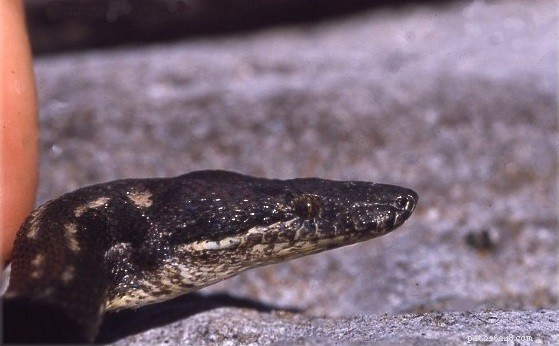 Mauritius, an island nation off the coast of southeast Africa, is best known to naturalists as the site of the Dodo Bird’s extinction (Mauritius also is, in a sense, the reason I was hired by the Bronx Zoo and spared life as a lawyer – see article below for the story!). Herp enthusiasts, however, know it as the habitat of several unique reptiles, all of which are now very rare or extinct. But we can delight in some news just released by the Durrell Wildlife Trust – a new population of the Round Island or Keel-scaled Boas, Casarea dussumieri, will soon be established in the wild. This unusual snake disappeared from nearly all of its range in the 1860’s, and its return is the culmination of 40 years’ worth of captive breeding and habitat restoration efforts.
Status and Conservation
The Round Island Boa is now confined to Round Island, a tiny speck of habitat where perhaps 500-1,000 individuals survive. A single wild population and limited number of captives place it at continued risk of extinction. The new population to be established on another Mauritian island (where the snake formerly lived) is a vital step towards ensuring the species’ survival.
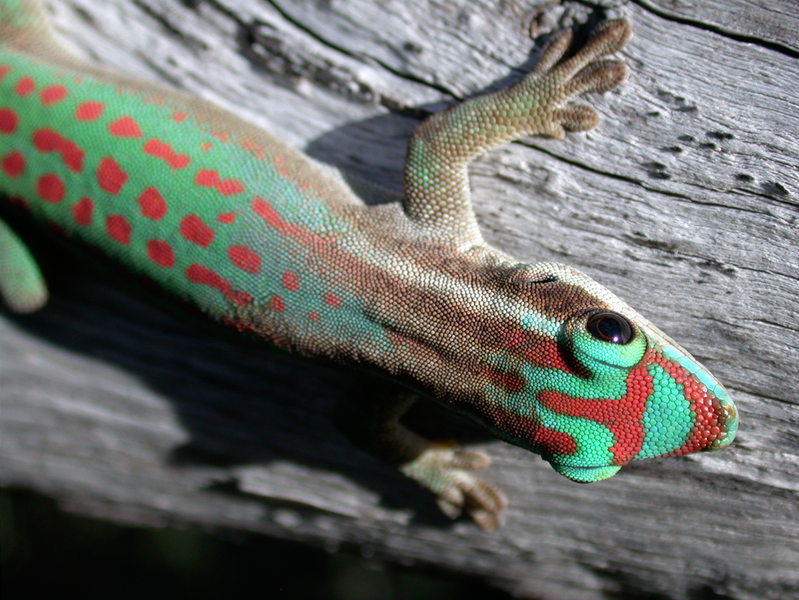 The Durrell Wildlife Trust became the first institution to breed the Round Island Boa, and maintains most of the captive population. Founded by legendary conservationist and author Gerard Durrell, this unique organization focuses on critically endangered animals and plants, especially those overshadowed by pandas, rhinos and other “charismatic mega-vertebrates”. The Trust was the first to breed the Giant Jumping Rat, Lesser Antilles Iguana, Flat-tailed Tortoise and scores of others (please see article below).
The Reintroduction
The island selected for the new Round Island Boa population has been cleared of the introduced black rats, goats and rabbits that previously destroyed the habitat and prey base. The snake’s primary food, the Telfair’s Skink (Leiolopisma telfairi), was released on the island in 2007 and is now well-established. Like other Mauritian reptiles, Telfair’s Skink has been eliminated from much of its range, but survives on Round Island and at the Durrell Wildlife Trust.
The boas to be reintroduced were collected from Round Island, and will first be monitored to assure that they are genetically diverse and disease-free.
Round Island Boa Natural History
Although originally placed in the genus Boa, this species differs so greatly from seemingly-related snakes that is now classified in its own genus and family (Bolyeridae). The family’s only other member, the Round Island Burrowing Boa (Bolyeria multacarinata), has not been seen since 1975 and is presumed extinct.
The Round Island Boa is oviparous, and changes in color from bright orange to grayish-brown as it matures. There are some indications that females remain with their eggs for a time. Unique scalation lends the alternative common name of Keel-scaled Boa. Juveniles and some adults (especially females) appear to be largely arboreal.
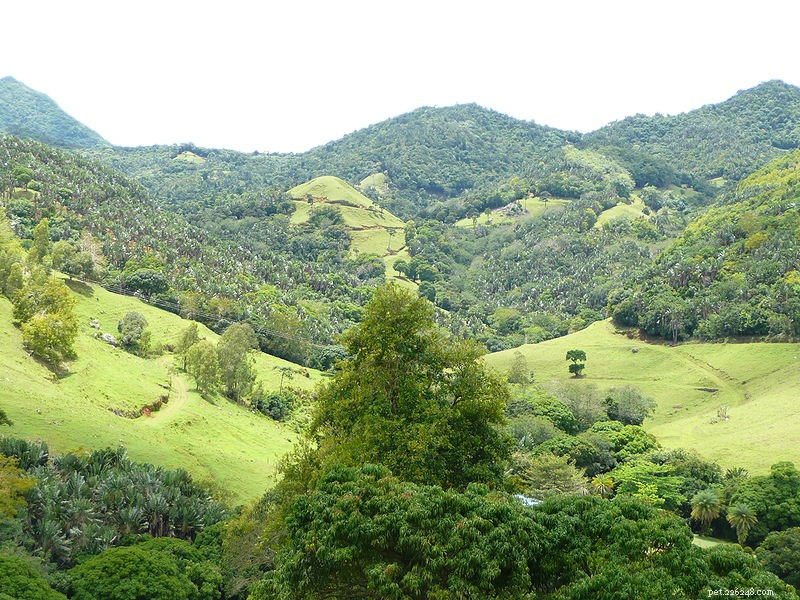
The Round Island Boa’s preferred habitat – forest and palm-dotted savannah – has been largely reduced to brushy scrub by agricultural development, introduced rabbits and goats. Rat predation on young snakes and skinks has contributed to the species’ drastic decline.
What’s Next?
 The reintroduced population will be closely monitored by Durrell Wildlife Trust staffers and other conservation organizations. In addition to establishing a new population, the project may serve as a template for future herp recovery efforts. I’ll post updates as they become available.
There are many other success stories, as well as failures. Please post your own thoughts and examples below so that I can share them with readers and researchers. Thanks.
- Boa vs. Python: How to Spot the Differences Between Two Iconic Snakes
- Wild Geckos: Their Diet and Where They Thrive
- Can Tarantulas Regrow Their Legs? Understanding the Regeneration Process
- Reintegrating Your Pet into Daily Life After COVID-19: Tips for a Smooth Transition
- Boa Constrictor Species Profile: Care, Behavior, and Health
- Breeding the Rosy Boa: A Comprehensive Guide for Successful Reproduction
- Small Boa Constrictors: Ideal Pets for Enthusiasts & New Keepers