

Anaconda: The World's Largest Snake – Facts, Habitat, and Conservation
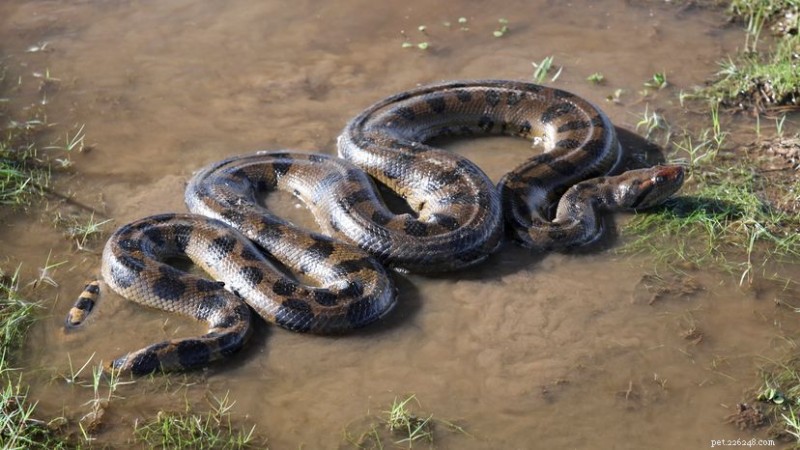
When the name anaconda comes to mind, most people picture a massive serpent coiled in the murky waters of South America. Scientifically known as Eunectes murinus, the green anaconda is indeed a legend—and the largest snake on Earth by weight.
What Makes the Anaconda So Special?
The green anaconda can reach up to 30 feet (9.1 m) in length and weigh over 500 lb (227 kg), making it heavier than a mature American black bear. These powerful constrictors are built for stealth and speed, waiting patiently in the swampy habitats of tropical South America for unsuspecting prey.
While the olive‑green variant with its distinctive black spots is the most iconic, the yellow anaconda is slightly smaller yet equally fascinating. All anacondas share a muscular, aquatic physique that turns them into efficient swimmers.
Where Do Anacondas Live?
Green and yellow anacondas thrive in the wetlands, rainforests, and rivers of South America—from Venezuela to Brazil. They favor slow‑moving water bodies where they can conceal themselves among aquatic vegetation.
Field researchers and citizen scientists regularly report sightings, contributing to comprehensive databases that track distribution and movement patterns.
The Anaconda's Massive Diet
As opportunistic predators, anacondas consume a wide array of animals: peccaries, capybaras, tapirs, deer, birds, amphibians, reptiles, and even small mammals. Rarely, they take down caimans—South American relatives of alligators.
After a substantial meal, an anaconda can go months without eating again, digesting its prey slowly in a protected spot. Their digestive system is adapted to handle large, protein‑rich meals.
Breeding: The Mysterious Anaconda “Breeding Ball”
During mating season, a female may become the center of a chaotic “breeding ball,” where multiple males coil around her. This competition can last weeks, ending when one male successfully mates. The gestation period is approximately six months, after which the female gives birth to live young.
Females are typically larger than males, often surrounded by several males during this intense period. After giving birth, they retreat to secluded areas to nurture their offspring.
Ongoing Anaconda Research
Researchers such as Pam Fuller and Denise R. Gregoire have catalogued anaconda sightings in the Nonindigenous Aquatic Species Database, a resource that links specimen records to field observations. These data help monitor population trends and assess conservation needs.
Anacondas as Ecosystem Engineers
As apex predators, anacondas regulate populations of prey species, maintaining ecological balance in their habitats. Females typically give birth to 20–40 live young, who learn to hunt small prey before tackling larger meals as they mature.
Conservation and Threats
Despite their size, anacondas face threats from habitat loss, hunting, and the introduction of nonnative species that disrupt local ecosystems. In places like Florida’s Fakahatchee Strand, invasive species have endangered native reptiles, including anacondas.
Conservation efforts, supported by scientists and local stakeholders, aim to protect natural habitats and ensure the long‑term survival of these remarkable reptiles.
4 More Fun Anaconda Facts
- They are the heaviest snakes in the world.
- Females are usually larger than males.
- They can hold their breath for up to 10 minutes underwater.
- They spend most of their time submerged or hidden in dense vegetation.
From their impressive size to their pivotal ecological role, anacondas remain one of the most captivating and vital reptiles on the planet.
- How Dogs Show Affection: 9 Clear Signs They Love You
- Effective Strategies for Managing Your Dog’s Adolescent Phase
- The 7 Most Common Pet Primates: Care, Risks, and Responsibilities
- Moving With Your Pet: A Practical Guide for Stress‑Free Relocation
- 135 Classic 1990s Sitcom-Inspired Pet Names
- Are Tulips Toxic to Cats? Expert Guidance for Safer Gardens
- Effective Rabbit Constipation Care: Quick Relief & Prevention Tips